What does Song of Solomon 6:12 mean?
“Or ever I was aware, my soul made me like the chariots of Amminadib.” — Song of Solomon 6:12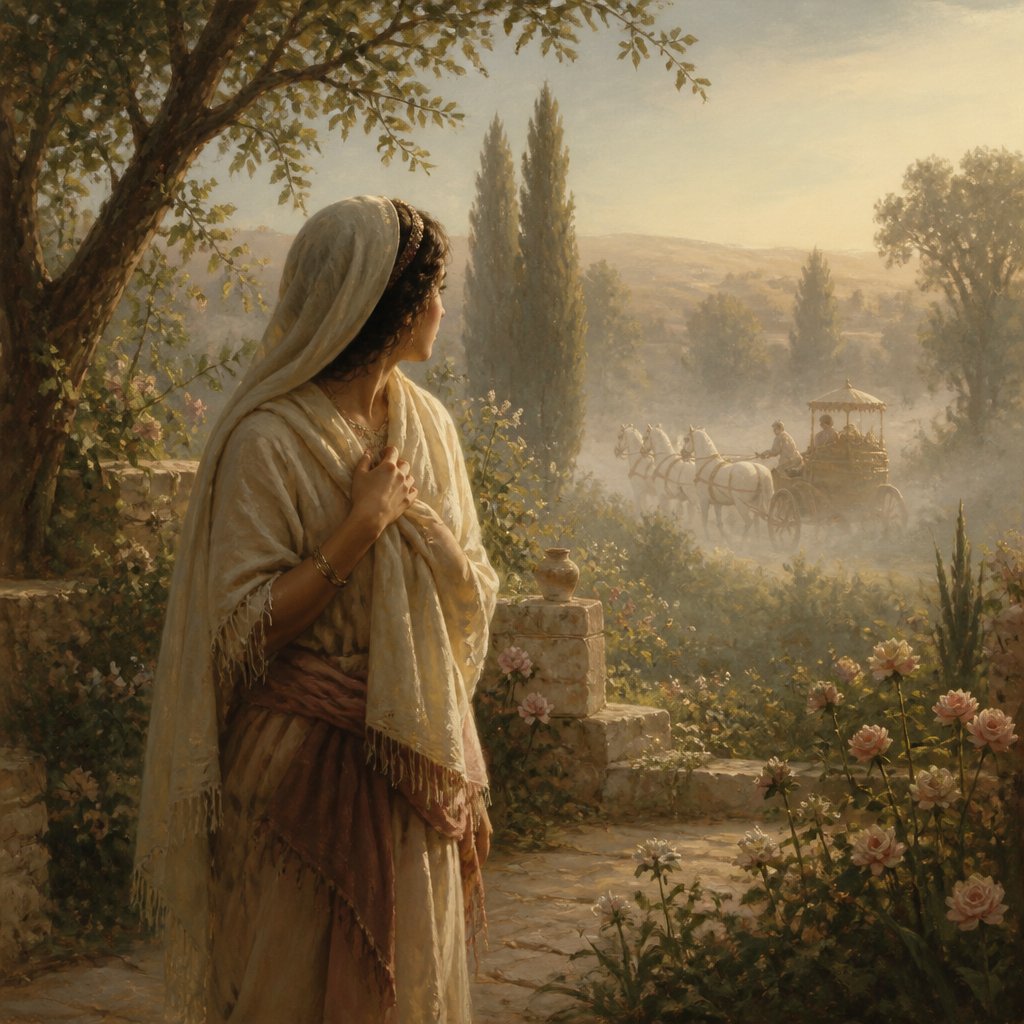
Song of Solomon 6:12 (KJV) - “Or ever I was aware, my soul made me like the chariots of Amminadib.”
The Song of Solomon, also known as the Song of Songs, is a beautiful and poetic book found in the Old Testament of the Bible. It is a collection of love poems between a man and a woman, often interpreted as an allegory for the love between God and his people, or between Christ and his church. Song of Solomon 6:12 is a verse that captures the intoxicating power of love and the exhilaration that comes with being swept away by its force.
The verse begins with the phrase “Or ever I was aware,” indicating that the speaker was caught off guard or surprised by the actions that followed. This suddenness can be interpreted as the unexpected nature of love, which can overtake us in a moment, without warning. Love has the power to completely consume us, altering our perception of ourselves and the world around us.
The speaker then describes how their soul made them “like the chariots of Amminadib.” This metaphor is rich in symbolism and imagery. Chariots were a powerful and majestic mode of transportation in ancient times, used in battle and triumphal processions. They were a symbol of strength, speed, and victory. The mention of Amminadib is more obscure, as the name does not appear elsewhere in the Bible. Some scholars believe it may refer to a royal or noble lineage, while others suggest it could be a poetic invention, meant to convey a sense of grandeur and magnificence.
When the speaker says that their soul made them “like the chariots of Amminadib,” they are expressing the overwhelming power and energy coursing through them. They feel invigorated and exalted, as if they are riding on the chariots of a great king, leading them into battle or triumph. This image captures the intensity and euphoria of love, and the way it can elevate and transform the lover’s experience.
In a broader context, this verse can be seen as a reflection of the divine love between God and humanity. The intensity and suddenness with which love takes hold mirrors the unexpected and overwhelming nature of God’s love for his children. The imagery of the chariots of Amminadib signifies the strength and magnificence of divine love, and the way it can elevate and transform the soul. It speaks to the transformative power of love and its ability to transport us to a higher state of being.
This verse also reflects the theme of longing and desire that runs throughout the Song of Solomon. The lovers in the poem are consumed by their desire for each other, and their passion is expressed in vivid and evocative language. The mention of the chariots of Amminadib conveys the urgency and intensity of this longing, as well as the sense of being carried away by the force of their emotions.
Overall, Song of Solomon 6:12 is a powerful and evocative verse that captures the intoxicating and transformative power of love. Its rich imagery and symbolism convey the overwhelming strength and exhilaration of love, as well as the sense of being transported to a higher state of being. Whether interpreted on a personal or spiritual level, this verse speaks to the profound impact that love can have on the human soul.
Get our apps


Artwork for Song of Solomon 6:12

Song of Solomon 6:12 - "Or ever I was aware, my soul made me like the chariots of Amminadib."
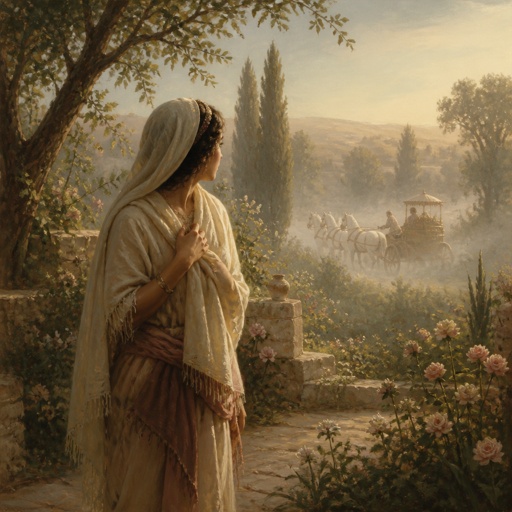
"Or ever I was aware, my soul made me like the chariots of Amminadib." - Song of Solomon 6:12

Song of Solomon 6:8 - "There are threescore queens, and fourscore concubines, and virgins without number."

Songs of Solomon 1:2

Song of Solomon 6:7 - "As a piece of a pomegranate are thy temples within thy locks."
1 songs of Solomon 1:2

Song of Solomon 6:3 - "I am my beloved's, and my beloved is mine: he feedeth among the lilies."
!["Who [is] she [that] looketh forth as the morning, fair as the moon, clear as the sun, [and] terrible as [an army] with banners?" - Song of Solomon 6:10](https://media.bible.art/6b2ee690-5202-4c13-a4ad-2500f2f9b28c-thumbnail.jpg)
"Who [is] she [that] looketh forth as the morning, fair as the moon, clear as the sun, [and] terrible as [an army] with banners?" - Song of Solomon 6:10
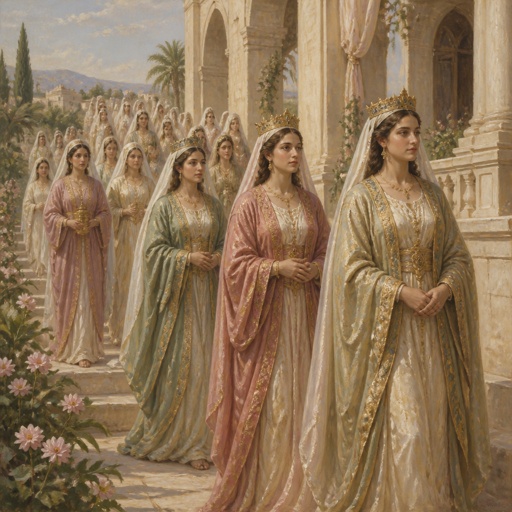
"There are threescore queens, and fourscore concubines, and virgins without number." - Song of Solomon 6:8

Song of Solomon 6:4 - "¶ Thou art beautiful, O my love, as Tirzah, comely as Jerusalem, terrible as an army with banners."
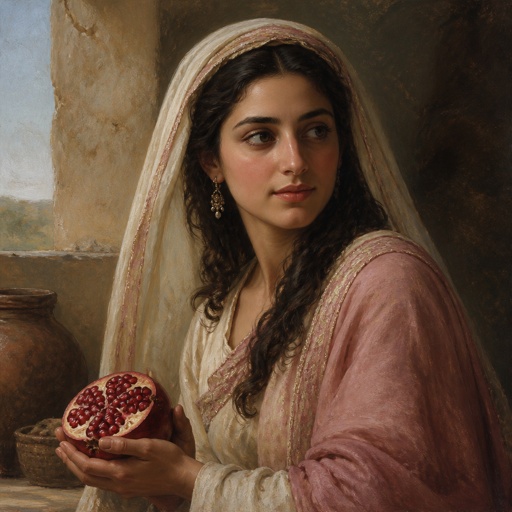
"As a piece of a pomegranate are thy temples within thy locks." - Song of Solomon 6:7

Song of Solomon 6:5 - "Turn away thine eyes from me, for they have overcome me: thy hair is as a flock of goats that appear from Gilead."

Song of Solomon 7:6 - "How fair and how pleasant art thou, O love, for delights!"

Song of Solomon 8:12 - "My vineyard, which is mine, is before me: thou, O Solomon, must have a thousand, and those that keep the fruit thereof two hundred."

Song of Solomon 5:12 - "His eyes are as the eyes of doves by the rivers of waters, washed with milk, and fitly set."

Song of Solomon 6:10 - "¶ Who is she that looketh forth as the morning, fair as the moon, clear as the sun, and terrible as an army with banners?"

Song of Solomon 6:2 - "My beloved is gone down into his garden, to the beds of spices, to feed in the gardens, and to gather lilies."

Song of Solomon 1:12 - "¶ While the king sitteth at his table, my spikenard sendeth forth the smell thereof."

Song of Solomon 4:12 - "A garden inclosed is my sister, my spouse; a spring shut up, a fountain sealed."
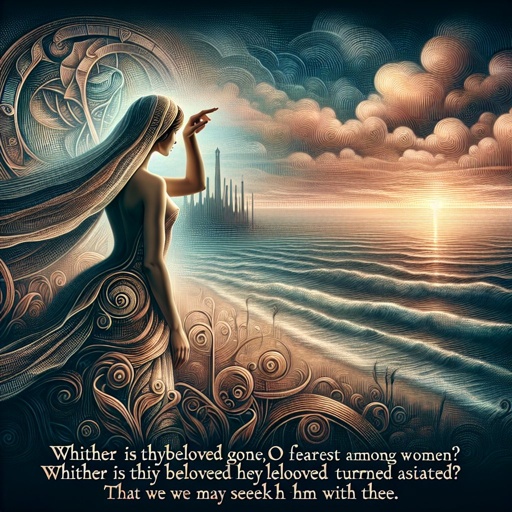
Song of Solomon 6:1 - "Whither is thy beloved gone, O thou fairest among women? whither is thy beloved turned aside? that we may seek him with thee."

Song of Solomon 6:11 - "I went down into the garden of nuts to see the fruits of the valley, and to see whether the vine flourished, and the pomegranates budded."

Song of Solomon 6:6 - "Thy teeth are as a flock of sheep which go up from the washing, whereof every one beareth twins, and there is not one barren among them."
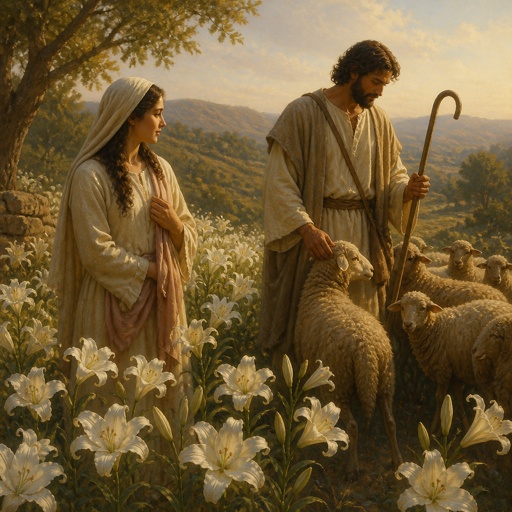
"I am my beloved's, and my beloved is mine: he feedeth among the lilies." - Song of Solomon 6:3

Song of Solomon 2:12 - "The flowers appear on the earth; the time of the singing of birds is come, and the voice of the turtle is heard in our land;"

Song of Solomon 1:1 - "The song of songs, which is Solomon's."

Song of Solomon 2:6 - "His left hand is under my head, and his right hand doth embrace me."
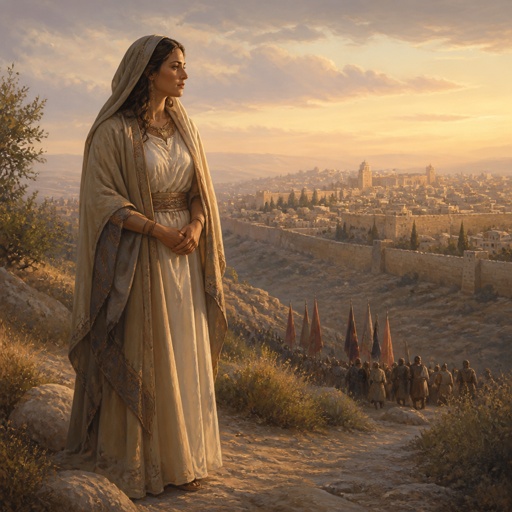
"¶ Thou art beautiful, O my love, as Tirzah, comely as Jerusalem, terrible as an army with banners." - Song of Solomon 6:4
!["Who [is] she [that] looketh forth as the morning, fair as the moon, clear as the sun, [and] terrible as [an army] with banners?" - Song of Solomon 6:10](https://media.bible.art/296e9601-26dc-4dc4-802a-4369580aa0ce-thumbnail.jpg)
"Who [is] she [that] looketh forth as the morning, fair as the moon, clear as the sun, [and] terrible as [an army] with banners?" - Song of Solomon 6:10

Song of Solomon 6:13 - "Return, return, O Shulamite; return, return, that we may look upon thee. What will ye see in the Shulamite? As it were the company of two armies."

Song of Solomon 4:6 - "Until the day break, and the shadows flee away, I will get me to the mountain of myrrh, and to the hill of frankincense."