What does Song of Solomon 6:2 mean?
“My beloved is gone down into his garden, to the beds of spices, to feed in the gardens, and to gather lilies.” — Song of Solomon 6:2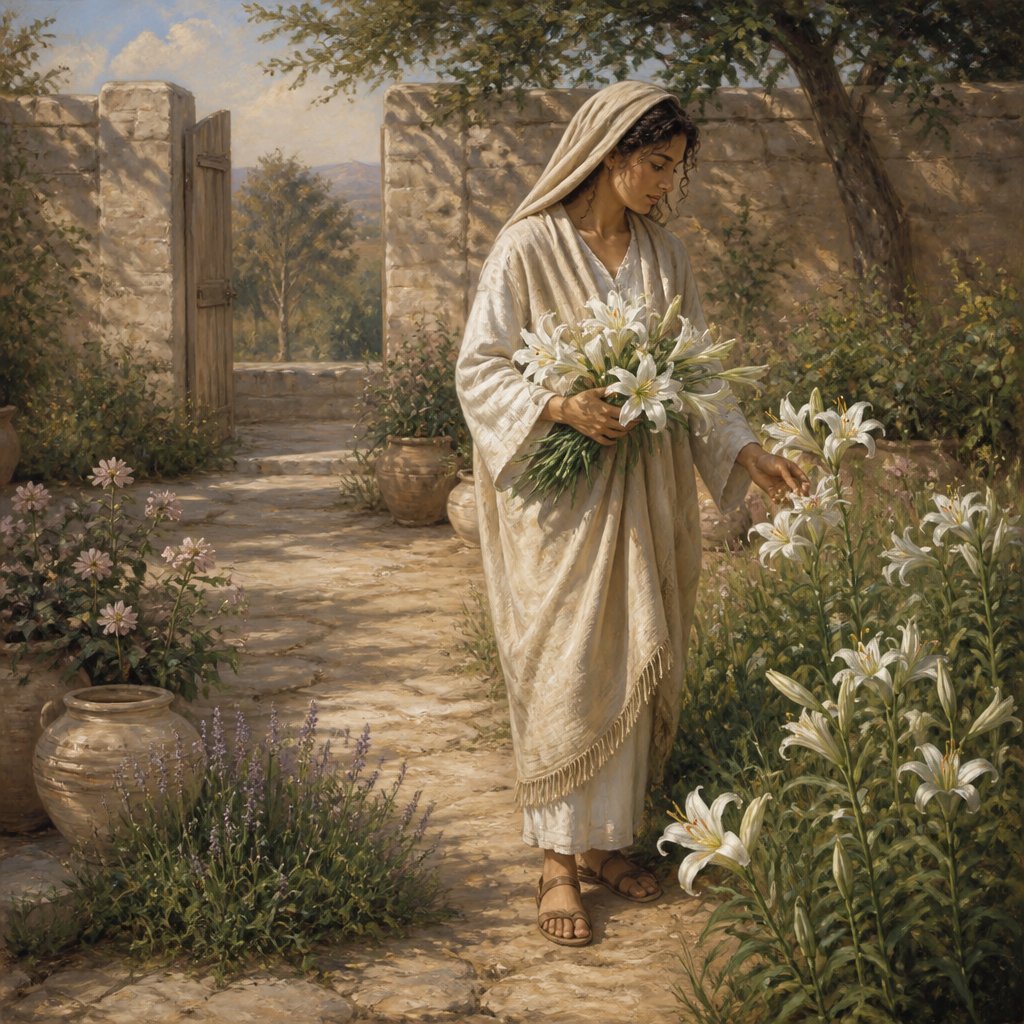
Song of Solomon 6:2 (KJV): "My beloved is gone down into his garden, to the beds of spices, to feed in the gardens, and to gather lilies."
The Song of Solomon, also known as the Song of Songs, is a poetic and symbolic love story between a bride and her bridegroom. This particular verse takes place in the midst of the bride's search for her beloved, and it reflects the longing and deep affection that she feels for him. The imagery used in this verse conveys a sense of intimacy, beauty, and love.
The opening line, "My beloved is gone down into his garden," suggests that the bride's beloved is not physically present with her at the moment. However, the use of the possessive pronoun "my" indicates the close, personal relationship that she shares with him. The garden symbolizes a place of growth, fertility, and sensuality. In the context of this verse, it serves as a metaphor for the bridegroom's heart and inner being, which the bride yearns to explore and nurture.
The reference to "the beds of spices" carries a rich and aromatic connotation. It suggests that the bridegroom's garden is filled with exotic and fragrant plants, which allude to the abundance of love and passion that the bride longs to experience with him. The use of spices also symbolizes the depth and richness of their relationship, as well as the delight and pleasure that it brings to both of them.
The phrase "to feed in the gardens" implies that the bridegroom is indulging in the beauty and abundance of his garden, deriving sustenance and satisfaction from it. This could be understood as a metaphor for the bridegroom's spiritual nourishment and fulfillment in the presence of his beloved, as well as his desire to cultivate and nurture their love.
The mention of "gather lilies" adds another layer of symbolism to the verse. In the language of flowers, lilies are often associated with purity, beauty, and majesty. They also hold biblical significance, representing resurrection, renewal, and the promise of eternal life. In the context of this verse, the gathering of lilies may symbolize the bridegroom's desire to gather and cherish the pure and precious moments of love and intimacy that he shares with his beloved.
In essence, Song of Solomon 6:2 captures the essence of love and longing, and it conveys a profound sense of intimacy, passion, and devotion between the bride and her bridegroom. The verse is filled with rich and evocative imagery, which paints a vivid picture of the depth and beauty of their relationship. It also speaks to the themes of desire, yearning, and the pursuit of love, making it a poignant and powerful expression of love and romance.
Overall, Song of Solomon 6:2 is a beautiful and evocative verse that captures the intense emotions and desires of the bride for her beloved. It conveys a sense of the deep and abiding love that the bride feels for her bridegroom, as well as the beauty and richness of their relationship. The verse's symbolism and imagery add depth and complexity to its meaning, making it a timeless and enduring portrayal of love and devotion.
Get our apps


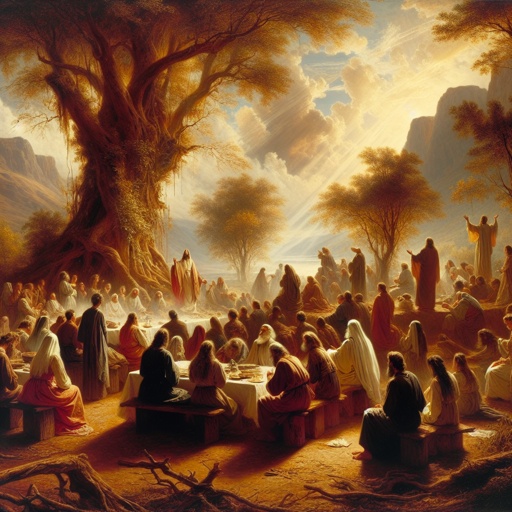
Artwork for Song of Solomon 6:2

Song of Solomon 6:2 - "My beloved is gone down into his garden, to the beds of spices, to feed in the gardens, and to gather lilies."
"My beloved is gone down into his garden, to the beds of spices, to feed in the gardens, and to gather lilies." - Song of Solomon 6:2

Song of Solomon 6:8 - "There are threescore queens, and fourscore concubines, and virgins without number."

Song of Solomon 2:6 - "His left hand is under my head, and his right hand doth embrace me."

Song of Solomon 6:7 - "As a piece of a pomegranate are thy temples within thy locks."

Song of Solomon 6:12 - "Or ever I was aware, my soul made me like the chariots of Amminadib."

Song of Solomon 6:3 - "I am my beloved's, and my beloved is mine: he feedeth among the lilies."
!["Who [is] she [that] looketh forth as the morning, fair as the moon, clear as the sun, [and] terrible as [an army] with banners?" - Song of Solomon 6:10](https://media.bible.art/6b2ee690-5202-4c13-a4ad-2500f2f9b28c-thumbnail.jpg)
"Who [is] she [that] looketh forth as the morning, fair as the moon, clear as the sun, [and] terrible as [an army] with banners?" - Song of Solomon 6:10
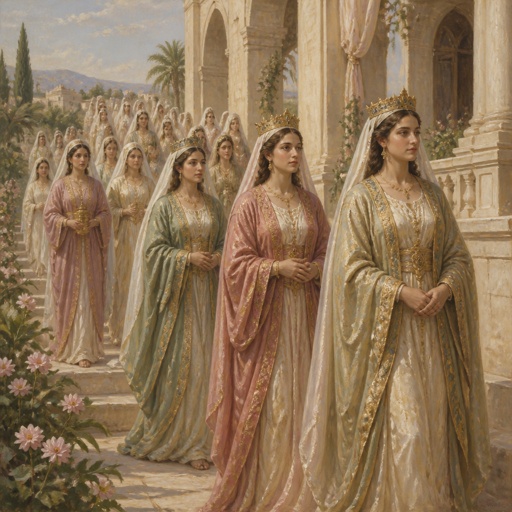
"There are threescore queens, and fourscore concubines, and virgins without number." - Song of Solomon 6:8

Song of Solomon 2:3

Song of Solomon 2:15

Song of Solomon 6:4 - "¶ Thou art beautiful, O my love, as Tirzah, comely as Jerusalem, terrible as an army with banners."

Song of Solomon 2:15
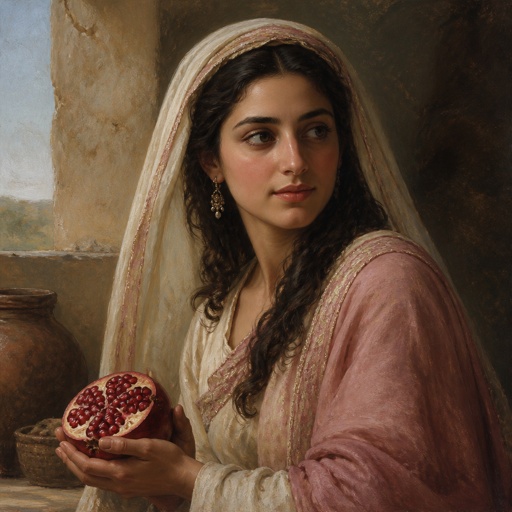
"As a piece of a pomegranate are thy temples within thy locks." - Song of Solomon 6:7

Song of Solomon 6:5 - "Turn away thine eyes from me, for they have overcome me: thy hair is as a flock of goats that appear from Gilead."

Song of Solomon 7:6 - "How fair and how pleasant art thou, O love, for delights!"

Song of Solomon 6:10 - "¶ Who is she that looketh forth as the morning, fair as the moon, clear as the sun, and terrible as an army with banners?"

Song of Solomon 2:2 - "As the lily among thorns, so is my love among the daughters."

Songs of Solomon 1:2
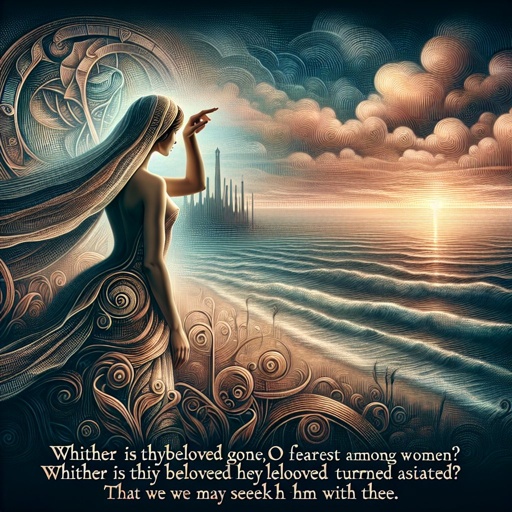
Song of Solomon 6:1 - "Whither is thy beloved gone, O thou fairest among women? whither is thy beloved turned aside? that we may seek him with thee."

Song of Solomon 2:11 - "For, lo, the winter is past, the rain is over and gone;"

Song of Solomon 2:1 - "I am the rose of Sharon, and the lily of the valleys."

Song of Solomon 6:11 - "I went down into the garden of nuts to see the fruits of the valley, and to see whether the vine flourished, and the pomegranates budded."
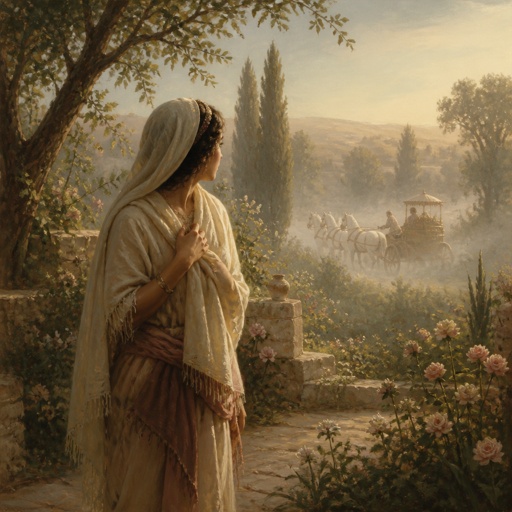
"Or ever I was aware, my soul made me like the chariots of Amminadib." - Song of Solomon 6:12

Song of Solomon 6:6 - "Thy teeth are as a flock of sheep which go up from the washing, whereof every one beareth twins, and there is not one barren among them."
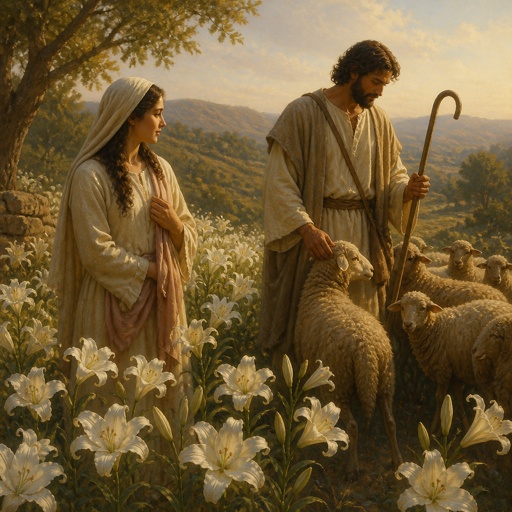
"I am my beloved's, and my beloved is mine: he feedeth among the lilies." - Song of Solomon 6:3

Song of Solomon 1:1 - "The song of songs, which is Solomon's."
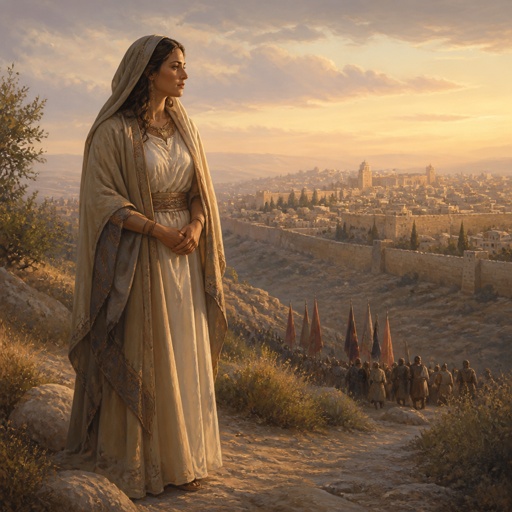
"¶ Thou art beautiful, O my love, as Tirzah, comely as Jerusalem, terrible as an army with banners." - Song of Solomon 6:4
1 songs of Solomon 1:2
!["Who [is] she [that] looketh forth as the morning, fair as the moon, clear as the sun, [and] terrible as [an army] with banners?" - Song of Solomon 6:10](https://media.bible.art/296e9601-26dc-4dc4-802a-4369580aa0ce-thumbnail.jpg)
"Who [is] she [that] looketh forth as the morning, fair as the moon, clear as the sun, [and] terrible as [an army] with banners?" - Song of Solomon 6:10