What does Song of Solomon 6:3 mean?
“I am my beloved’s, and my beloved is mine: he feedeth among the lilies.” — Song of Solomon 6:3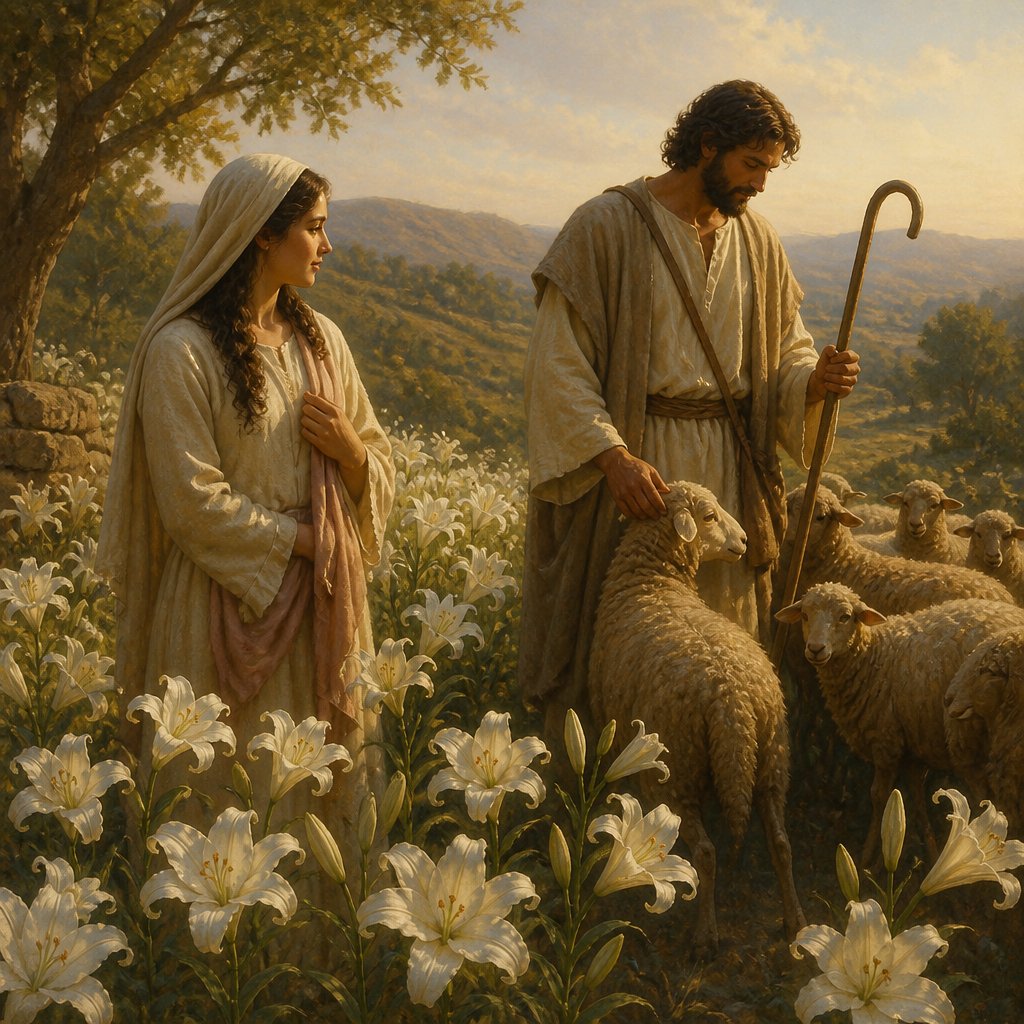
Song of Solomon 6:3 (KJV) reads: "I am my beloved's, and my beloved is mine: he feedeth among the lilies."
The Song of Solomon, also known as the Song of Songs, is a book of the Bible that explores the beauty and passion of love between a bride and her bridegroom. This verse is a declaration of love and devotion between the two lovers, and it is filled with deep and profound symbolism. The lilies in this verse can be understood as a symbol of purity and beauty, and they represent the nurturing and delicate nature of the relationship between the lovers.
The overarching theme of the Song of Solomon is the intense and passionate love between two people, and how it reflects the love between God and His people. The verse reflects this theme by portraying the intimate and deeply personal relationship between the two lovers. The declaration "I am my beloved's, and my beloved is mine" is a powerful statement of commitment and faithfulness, and it echoes the mutual love and devotion between God and his people.
The context of this verse is important for understanding its meaning. The surrounding verses depict the bride's search for her beloved, and the joy and excitement of being reunited with him. This verse comes as a culmination of that search, and it signifies the deep love and bond that exists between the bride and her beloved. It is a testament to the enduring nature of their love, and the sense of security and fulfillment that comes from being in a loving relationship.
The symbolism in this verse is rich and profound. The use of the term "beloved" emphasizes the deep affection and admiration that the bride has for her bridegroom. This term is also used in the Bible to describe the relationship between God and his people, further underscoring the parallel between human love and divine love. The image of the beloved "feeding among the lilies" conjures a sense of tranquility and beauty, and it speaks to the nourishing and life-giving nature of their love. The lilies symbolize purity and beauty, and they also represent the growth and flourishing of the relationship between the lovers.
Overall, this verse captures the essence of the love and devotion that is central to the Song of Solomon. It is a powerful declaration of commitment and intimacy, and it reflects the enduring nature of love. The symbolism of the lilies and the imagery of the beloved's feeding convey a sense of beauty, tenderness, and nurturing, all of which are essential elements of a deep and fulfilling love. In a broader sense, this verse also symbolizes the profound love and care that God has for his people, and it speaks to the joy and fulfillment that comes from being in a loving relationship.
Get our apps


Artwork for Song of Solomon 6:3

Song of Solomon 6:3 - "I am my beloved's, and my beloved is mine: he feedeth among the lilies."
"I am my beloved's, and my beloved is mine: he feedeth among the lilies." - Song of Solomon 6:3

Song of Solomon 3:6 - "¶ Who is this that cometh out of the wilderness like pillars of smoke, perfumed with myrrh and frankincense, with all powders of the merchant?"

Song of Solomon 6:8 - "There are threescore queens, and fourscore concubines, and virgins without number."

Song of Solomon 3:9 - "King Solomon made himself a chariot of the wood of Lebanon."

Song of Solomon 2:3

Song of Solomon 3:4

Song of Solomon 6:7 - "As a piece of a pomegranate are thy temples within thy locks."

Song of Solomon 6:12 - "Or ever I was aware, my soul made me like the chariots of Amminadib."
!["Who [is] she [that] looketh forth as the morning, fair as the moon, clear as the sun, [and] terrible as [an army] with banners?" - Song of Solomon 6:10](https://media.bible.art/6b2ee690-5202-4c13-a4ad-2500f2f9b28c-thumbnail.jpg)
"Who [is] she [that] looketh forth as the morning, fair as the moon, clear as the sun, [and] terrible as [an army] with banners?" - Song of Solomon 6:10
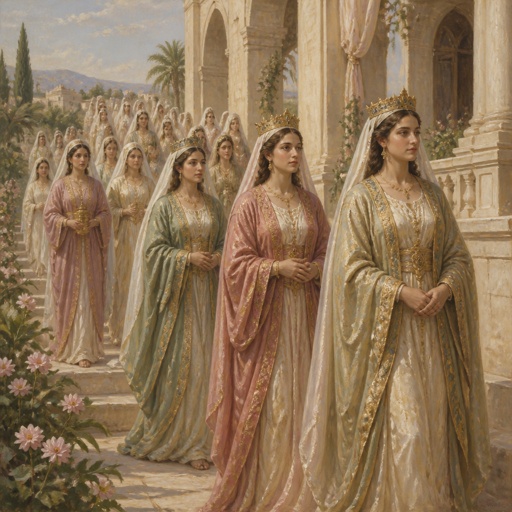
"There are threescore queens, and fourscore concubines, and virgins without number." - Song of Solomon 6:8
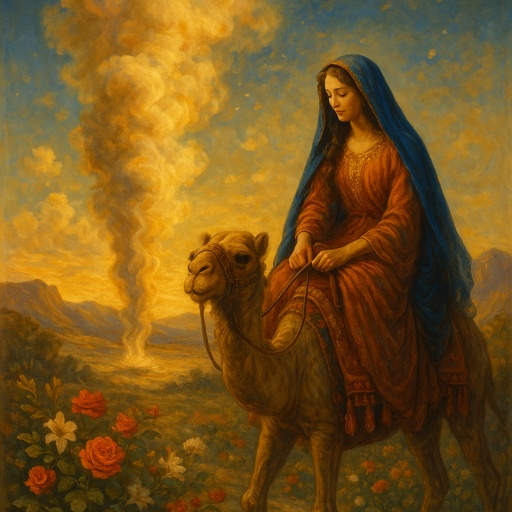
"Who is this that cometh out of the wilderness like pillars of smoke, perfumed with myrrh and frankincense, with all powders of the merchant?" - Song of Solomon 3:6

Song of Solomon 6:4 - "¶ Thou art beautiful, O my love, as Tirzah, comely as Jerusalem, terrible as an army with banners."
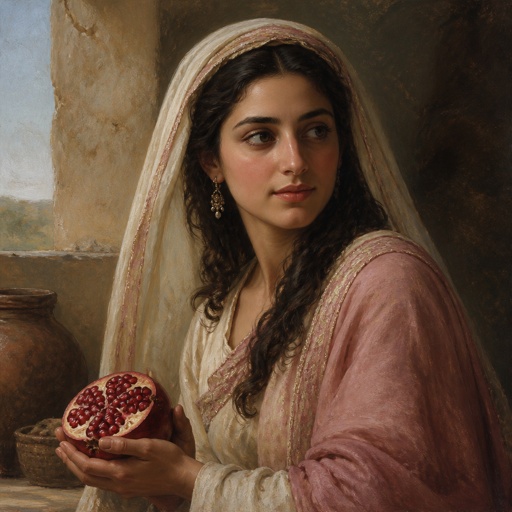
"As a piece of a pomegranate are thy temples within thy locks." - Song of Solomon 6:7
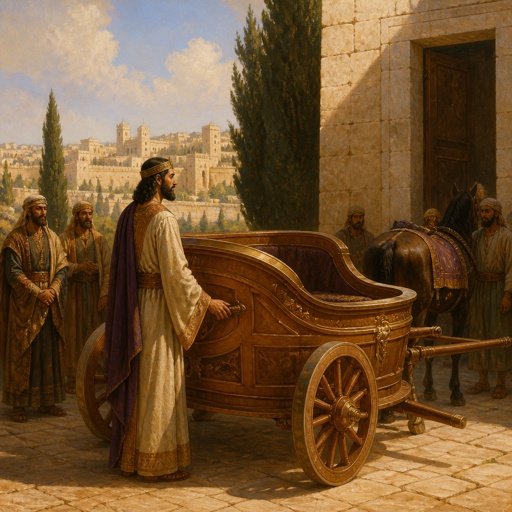
"King Solomon made himself a chariot of the wood of Lebanon." - Song of Solomon 3:9

Song of Solomon 7:6 - "How fair and how pleasant art thou, O love, for delights!"

Song of Solomon 6:5 - "Turn away thine eyes from me, for they have overcome me: thy hair is as a flock of goats that appear from Gilead."

Song of Solomon 7:3 - "Thy two breasts are like two young roes that are twins."

Song of Solomon 6:10 - "¶ Who is she that looketh forth as the morning, fair as the moon, clear as the sun, and terrible as an army with banners?"

Song of Solomon 6:2 - "My beloved is gone down into his garden, to the beds of spices, to feed in the gardens, and to gather lilies."
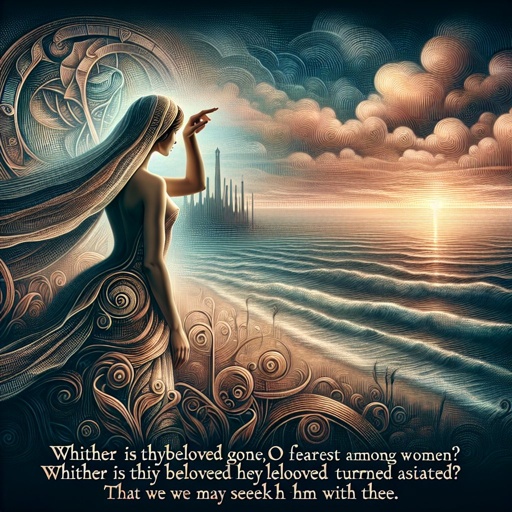
Song of Solomon 6:1 - "Whither is thy beloved gone, O thou fairest among women? whither is thy beloved turned aside? that we may seek him with thee."

Song of Solomon 3:7 - "Behold his bed, which is Solomon's; threescore valiant men are about it, of the valiant of Israel."

Song of Solomon 6:11 - "I went down into the garden of nuts to see the fruits of the valley, and to see whether the vine flourished, and the pomegranates budded."
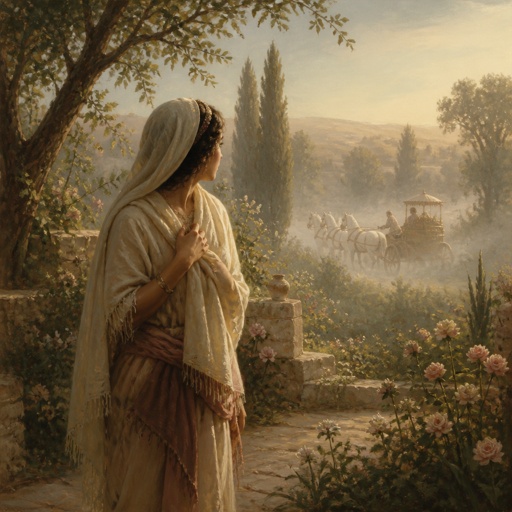
"Or ever I was aware, my soul made me like the chariots of Amminadib." - Song of Solomon 6:12

Song of Solomon 6:6 - "Thy teeth are as a flock of sheep which go up from the washing, whereof every one beareth twins, and there is not one barren among them."

Song of Solomon 1:1 - "The song of songs, which is Solomon's."

Song of Solomon 2:6 - "His left hand is under my head, and his right hand doth embrace me."
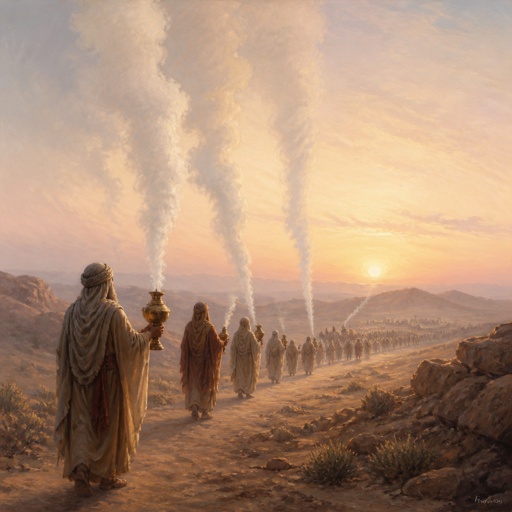
"¶ Who is this that cometh out of the wilderness like pillars of smoke, perfumed with myrrh and frankincense, with all powders of the merchant?" - Song of Solomon 3:6
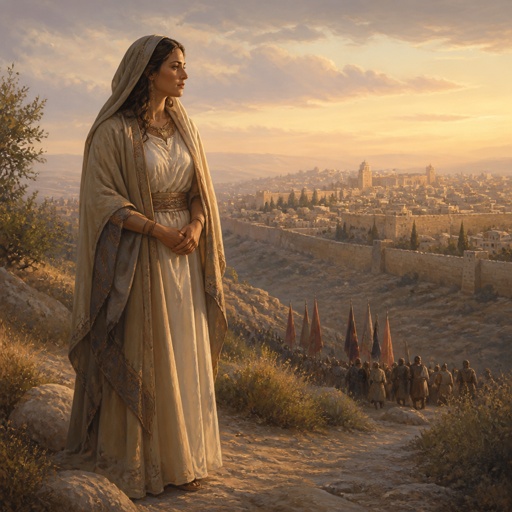
"¶ Thou art beautiful, O my love, as Tirzah, comely as Jerusalem, terrible as an army with banners." - Song of Solomon 6:4

Song of Solomon 3:3 - "The watchmen that go about the city found me: to whom I said, Saw ye him whom my soul loveth?"