What does Song of Solomon 7:11 mean?
“Come, my beloved, let us go forth into the field; let us lodge in the villages.” — Song of Solomon 7:11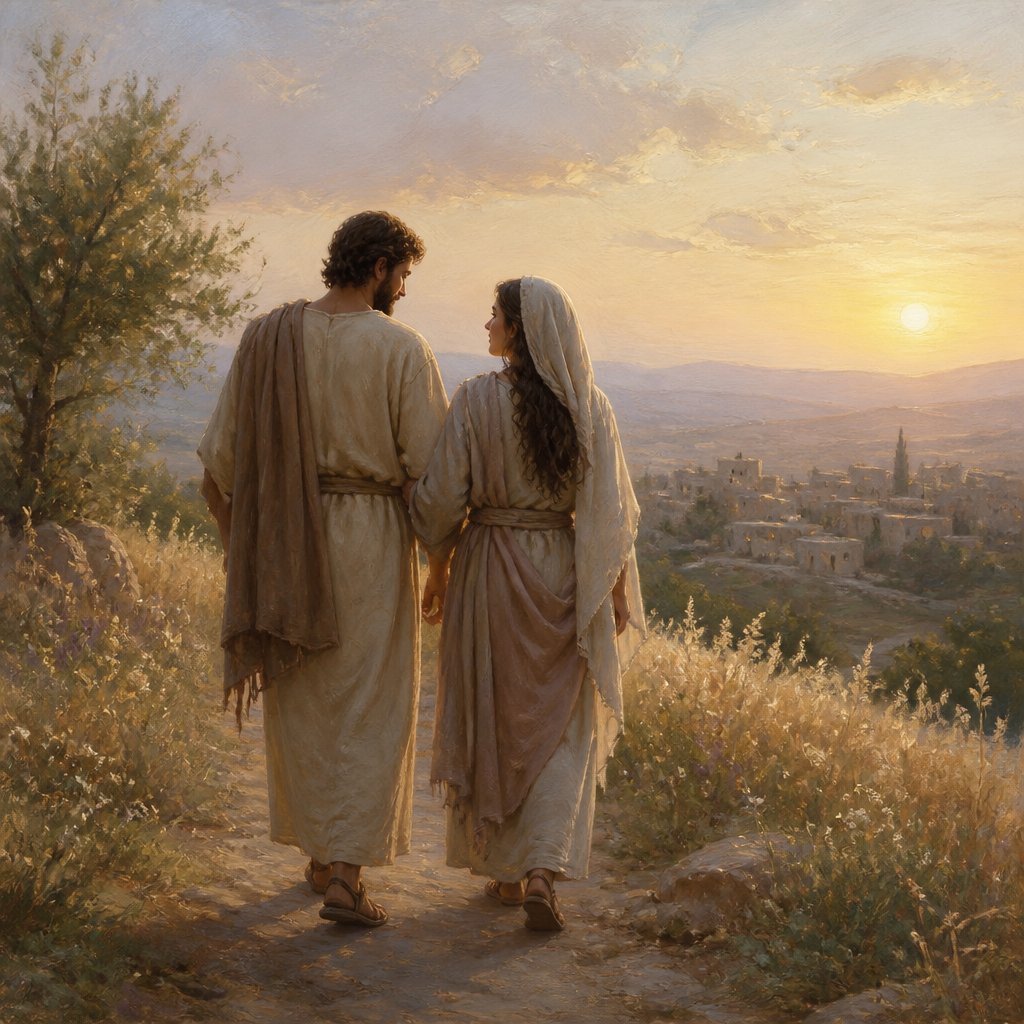
Song of Solomon 7:11 (KJV) – “Come, my beloved, let us go forth into the field; let us lodge in the villages.”
The Song of Solomon, also known as the Song of Songs, is a beautiful and poetic book in the Old Testament that is often interpreted as a love song between a bride and groom. However, many scholars also see it as an allegory for the relationship between God and His people, or Christ and the Church. In either interpretation, the book is a celebration of love, intimacy, and the joy of being in a close relationship with the beloved.
In the context of Song of Solomon 7:11, the bride is calling her beloved to come away with her. She wants to go out into the field and spend time in the villages, away from the distractions and busyness of their daily lives. This verse captures a sense of adventure, freedom, and intimacy as the couple seeks to nurture their relationship in a secluded and natural environment.
The theme of nature is evident in this verse as the field and villages symbolize a return to the simplicity and beauty of the natural world. The bride desires to escape the confines of the palace and the city to experience the freedom and freshness of the countryside. This can be seen as a metaphor for the need to escape from the pressures and complexities of daily life in order to focus on what truly matters in a relationship.
Additionally, the act of lodging in the villages suggests a desire for intimacy and seclusion. The couple wants to be alone, away from the eyes of others, in order to deepen their connection and enjoy each other's company without any distractions. This reflects the importance of privacy and closeness in a loving and committed relationship.
The verse also conveys a sense of spontaneity and excitement. The bride is eager to go forth and explore new places with her beloved. This speaks to the thrill of discovery and the joy of shared experiences in a relationship. The desire to venture into the unknown together reflects a spirit of adventure and a willingness to embrace new opportunities as a couple.
Symbolically, the field and villages can also represent the world at large. By venturing out into the field and lodging in the villages, the bride and groom may be seen as seeking to engage with the broader community and experience life beyond the confines of their own home. This reflects a sense of openness and a willingness to engage with the world beyond their immediate relationship.
In a spiritual context, this verse may be interpreted as a call to step out into the world and share the love of God with others. The field can be seen as the world where the harvest is ripe for sharing the message of God’s love, and the villages represent the communities where people live and work. The call to "go forth into the field" can be seen as a directive to spread the message of love and hope to those beyond our immediate circle, while the invitation to "lodge in the villages" conveys a desire to dwell among and connect with those in need.
Overall, Song of Solomon 7:11 is a beautiful and evocative verse that captures the spirit of adventure, intimacy, and love. Whether interpreted as a celebration of human love or as an allegory for the divine relationship between God and His people, this verse conveys a powerful message about the importance of nurturing healthy and intimate relationships, venturing out into the world with a spirit of openness and love, and the joy of shared experiences in life.
Get our apps


Artwork for Song of Solomon 7:11

Song of Solomon 7:11 - "Come, my beloved, let us go forth into the field; let us lodge in the villages."
"Come, my beloved, let us go forth into the field; let us lodge in the villages." - Song of Solomon 7:11

Song of Solomon 7:6 - "How fair and how pleasant art thou, O love, for delights!"

Song of Solomon 5:11

Song of Solomon 7:10 - "¶ I am my beloved's, and his desire is toward me."

Song of Solomon 7:3 - "Thy two breasts are like two young roes that are twins."
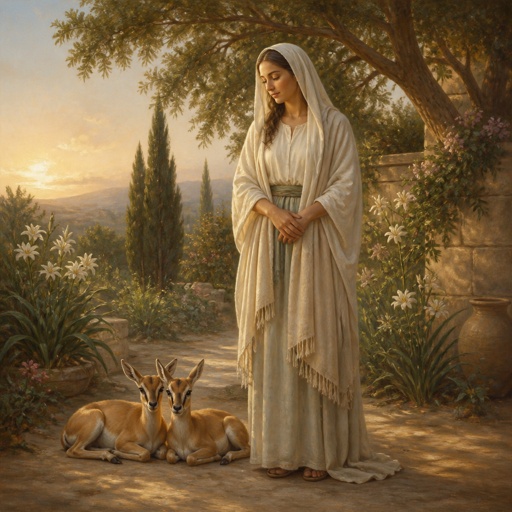
"Thy two breasts are like two young roes that are twins." - Song of Solomon 7:3

Song of Solomon 7:7 - "This thy stature is like to a palm tree, and thy breasts to clusters of grapes."

Song of Solomon 2:11 - "For, lo, the winter is past, the rain is over and gone;"
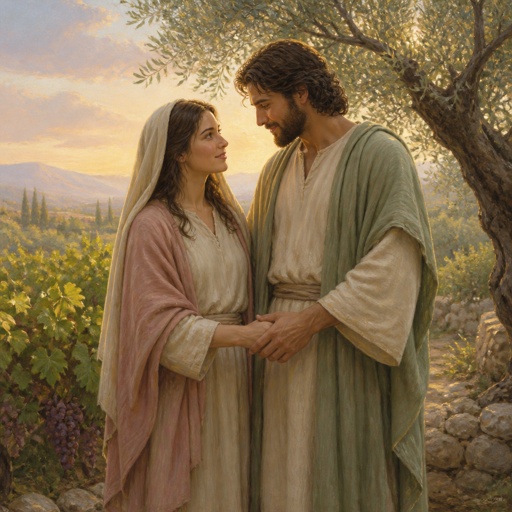
"¶ I am my beloved's, and his desire is toward me." - Song of Solomon 7:10

Song of Solomon 1:11 - "We will make thee borders of gold with studs of silver."

Song of Solomon 6:7 - "As a piece of a pomegranate are thy temples within thy locks."
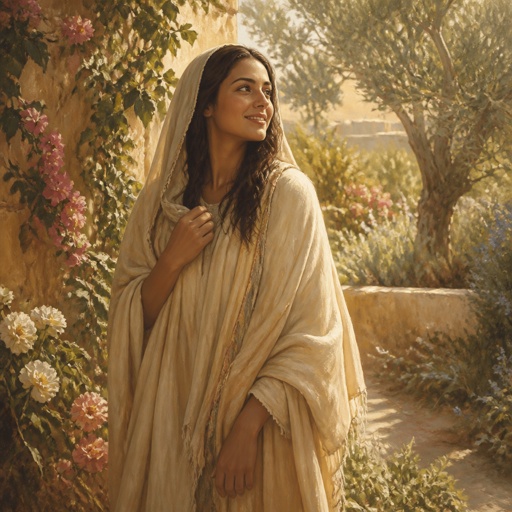
"How fair and how pleasant art thou, O love, for delights!" - Song of Solomon 7:6
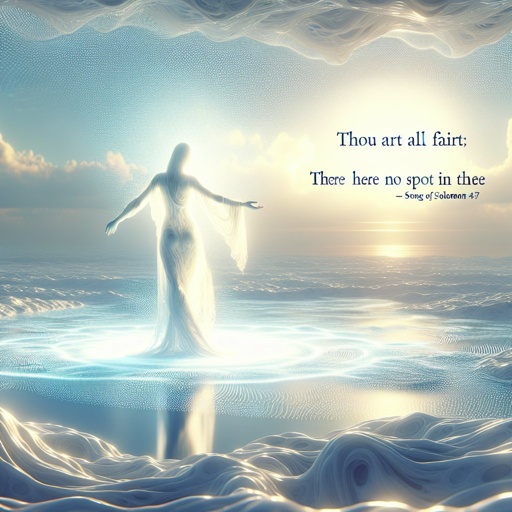
Song of Solomon 4:7 - "Thou art all fair, my love; there is no spot in thee."

Song of Solomon 1:1 - "The song of songs, which is Solomon's."

Song of Solomon 5:11 - "His head is as the most fine gold, his locks are bushy, and black as a raven."

Song of Solomon 3:7 - "Behold his bed, which is Solomon's; threescore valiant men are about it, of the valiant of Israel."

Song of Solomon 7:5 - "Thine head upon thee is like Carmel, and the hair of thine head like purple; the king is held in the galleries."

Song of Solomon 8:11 - "Solomon had a vineyard at Baal-hamon; he let out the vineyard unto keepers; every one for the fruit thereof was to bring a thousand pieces of silver."

Song of Solomon 7:2 - "Thy navel is like a round goblet, which wanteth not liquor: thy belly is like an heap of wheat set about with lilies."
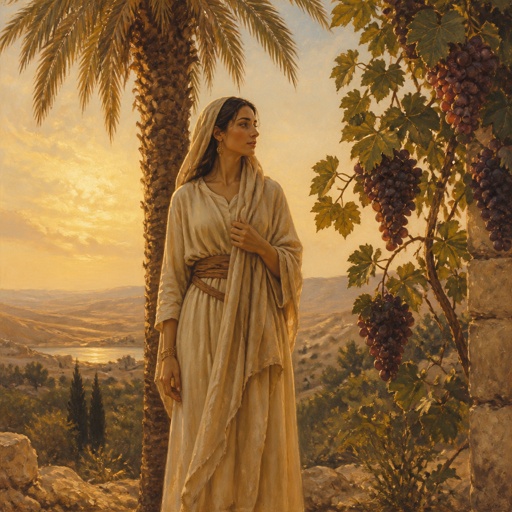
"This thy stature is like to a palm tree, and thy breasts to clusters of grapes." - Song of Solomon 7:7
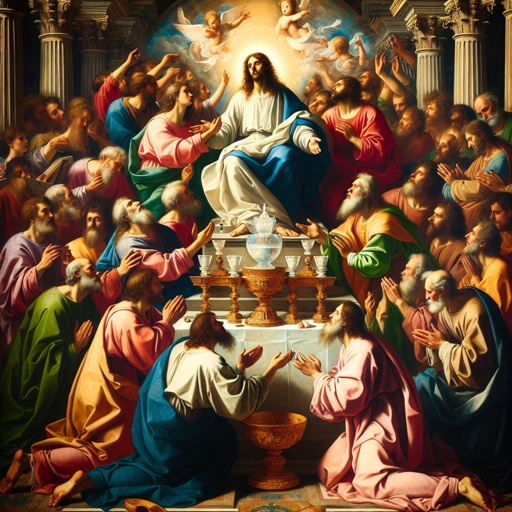
1 Songs of Solomon 1:1
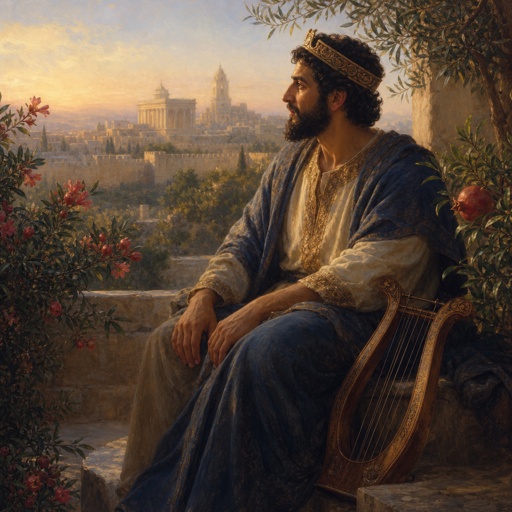
"The song of songs, which is Solomon's." - Song of Solomon 1:1

Song of Solomon 3:11 - "Go forth, O ye daughters of Zion, and behold king Solomon with the crown wherewith his mother crowned him in the day of his espousals, and in the day of the gladness of his heart."
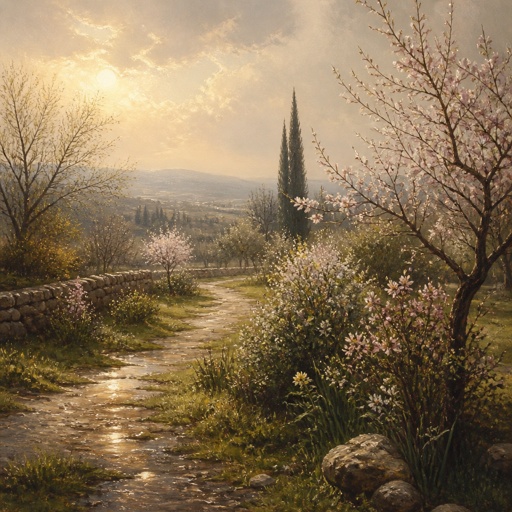
"For, lo, the winter is past, the rain is over and gone;" - Song of Solomon 2:11

Song of Solomon 2:15

Song of Solomon 1:4

Song of Solomon 7:1 - "How beautiful are thy feet with shoes, O prince's daughter! the joints of thy thighs are like jewels, the work of the hands of a cunning workman."

Song of Solomon 6:11 - "I went down into the garden of nuts to see the fruits of the valley, and to see whether the vine flourished, and the pomegranates budded."
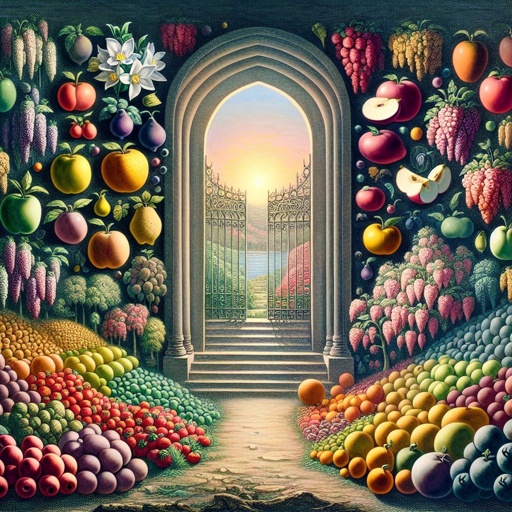
Song of Solomon 7:13 - "The mandrakes give a smell, and at our gates are all manner of pleasant fruits, new and old, which I have laid up for thee, O my beloved."