What does Titus 1:5-6 mean?
“For this cause left I thee in Crete, that thou shouldest set in order the things that are wanting, and ordain elders in every city, as I had appointed thee: If any be blameless, the husband of one wife, having faithful children not accused of riot or unruly.” — Titus 1:5-6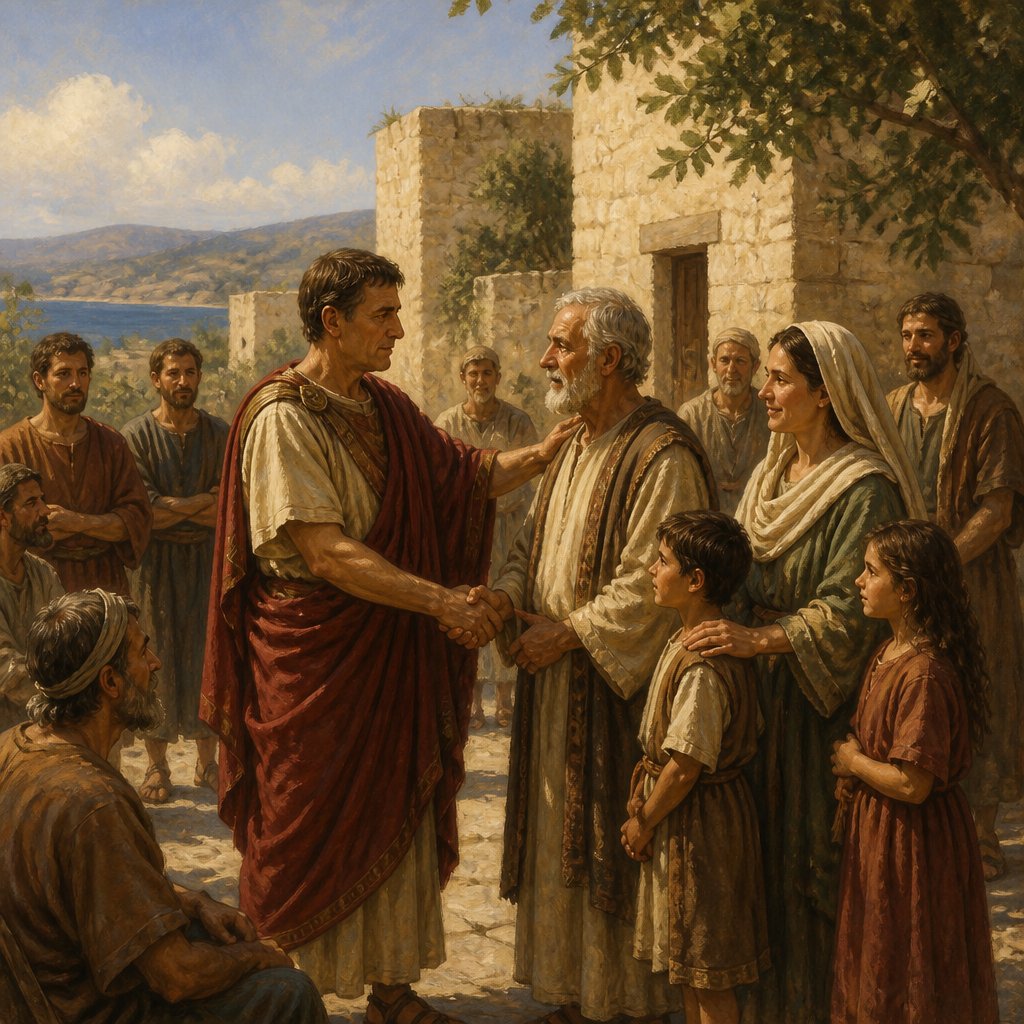
The Bible verse Titus 1:5-6 from the King James Version (KJV) reads: "For this cause left I thee in Crete, that thou shouldest set in order the things that are wanting, and ordain elders in every city, as I had appointed thee: If any be blameless, the husband of one wife, having faithful children not accused of riot or unruly."
This verse is found in the New Testament book of Titus, which is one of the three Pastoral Epistles, along with 1 Timothy and 2 Timothy. These letters were written by the apostle Paul to his younger disciples, Timothy and Titus, to provide them with guidance for leading and shepherding the early Christian churches.
In Titus 1:5-6, Paul is instructing Titus about the responsibilities and qualifications for appointing elders or leaders within the church in Crete. The verse begins with the phrase, "For this cause," which indicates that Paul is reminding Titus of the purpose for which he left him in Crete. This suggests that Titus has a specific task to accomplish, and that task involves organizing and establishing order within the church community.
The main theme of this verse is the importance of having qualified and upright leaders within the church. Paul's instruction to Titus centers on the qualities that these elders should possess. The qualifications mentioned in the verse include being blameless, the husband of one wife, and having faithful children who are not accused of riot or unruly behavior.
The first requirement of being blameless indicates that the elders should have a good reputation and live a life that is above reproach. This aligns with the broader biblical teaching on the moral integrity and character of church leaders. The phrase "the husband of one wife" has been subject to various interpretations, but it generally implies faithfulness in marriage and possibly precludes polygamy or divorce and remarriage. The third requirement regarding having faithful children not accused of riot or unruly behavior signifies the importance of a leader's ability to manage their own household well, which reflects their capacity to shepherd the church effectively.
The context in which these instructions were given is also significant. Crete was known for its moral corruption and depravity, and the Cretans themselves were cast in a negative light in the writings of ancient authors, including the Cretan philosopher Epimenides. In this context, Paul's guidance to Titus carries added weight, as it emphasizes the need for strong, moral leadership to counteract the prevailing sinful tendencies and establish godly order within the church.
Symbolically, the appointment of elders represents the establishment of authority and governance within the community of believers. It also symbolizes the care and oversight that the leaders should exercise over the flock, as they are tasked with guiding and nurturing the spiritual growth of the church members. The emphasis on the character and conduct of the elders conveys the idea that leadership in the church is not merely about position or title, but about exemplifying Christ-like virtues and serving as a role model for others to follow.
In conclusion, Titus 1:5-6 provides valuable insights into the qualifications and responsibilities of elders within the early Christian church. The verse underscores the importance of moral integrity, marital fidelity, and effective household management as essential qualities for those called to leadership. It also highlights the significance of establishing order and righteousness within the church, especially in challenging and morally compromised environments. As a timeless message, this passage continues to guide and inspire church leaders in their roles and responsibilities to this day.
Get our apps


Artwork for Titus 1:5-6

Titus 1:5-6 - "For this reason I left you in Crete, that you should set in order the things that are lacking, and appoint elders in every city as I commanded you— if a man is blameless, the husband of one wife, having faithful children not accused of dissipation or insubordination."
"For this reason I left you in Crete, that you should set in order the things that are lacking, and appoint elders in every city as I commanded you— if a man is blameless, the husband of one wife, having faithful children not accused of dissipation or insubordination." - Titus 1:5-6
Titus 1:6

Titus 1:6

Titus 1:6
Titus 1:6

Titus 1:6 - "If any be blameless, the husband of one wife, having faithful children not accused of riot or unruly."

Titus 2:3-5

Titus 2:3-5

Titus 2:3-5

Titus 1:5 - "For this cause left I thee in Crete, that thou shouldest set in order the things that are wanting, and ordain elders in every city, as I had appointed thee:"
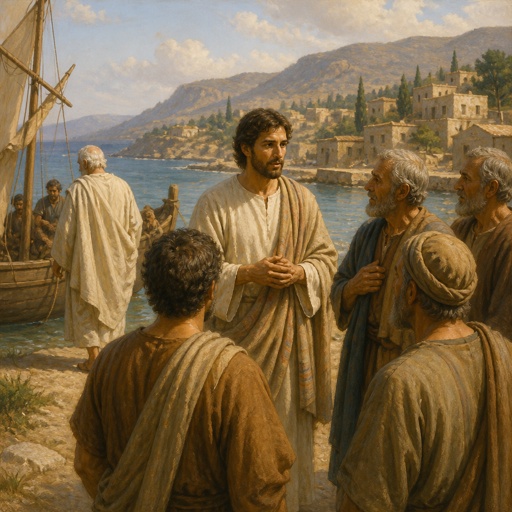
"For this cause left I thee in Crete, that thou shouldest set in order the things that are wanting, and ordain elders in every city, as I had appointed thee:" - Titus 1:5

Titus 2:6 - "Young men likewise exhort to be sober minded."

Titus 1:7

Titus 1:7

Titus 1:7

Titus 1:2

Titus 1:7

Titus 1:2

Titus 1:2

Titus 1:7

Titus 1:2

Titus 1:2

Titus 1:2

"If any be blameless, the husband of one wife, having faithful children not accused of riot or unruly." - Titus 1:6

Titus 3:6 - "Which he shed on us abundantly through Jesus Christ our Saviour;"

2 Corinthians 7:6 - "Nevertheless God, that comforteth those that are cast down, comforted us by the coming of Titus;"

Titus 2:5 - "To be discreet, chaste, keepers at home, good, obedient to their own husbands, that the word of God be not blasphemed."

Titus 1:4 - "To Titus, mine own son after the common faith: Grace, mercy, and peace, from God the Father and the Lord Jesus Christ our Saviour."

Titus 3:1-2