What does Zechariah 10:3 mean?
“Mine anger was kindled against the shepherds, and I punished the goats: for the LORD of hosts hath visited his flock the house of Judah, and hath made them as his goodly horse in the battle.” — Zechariah 10:3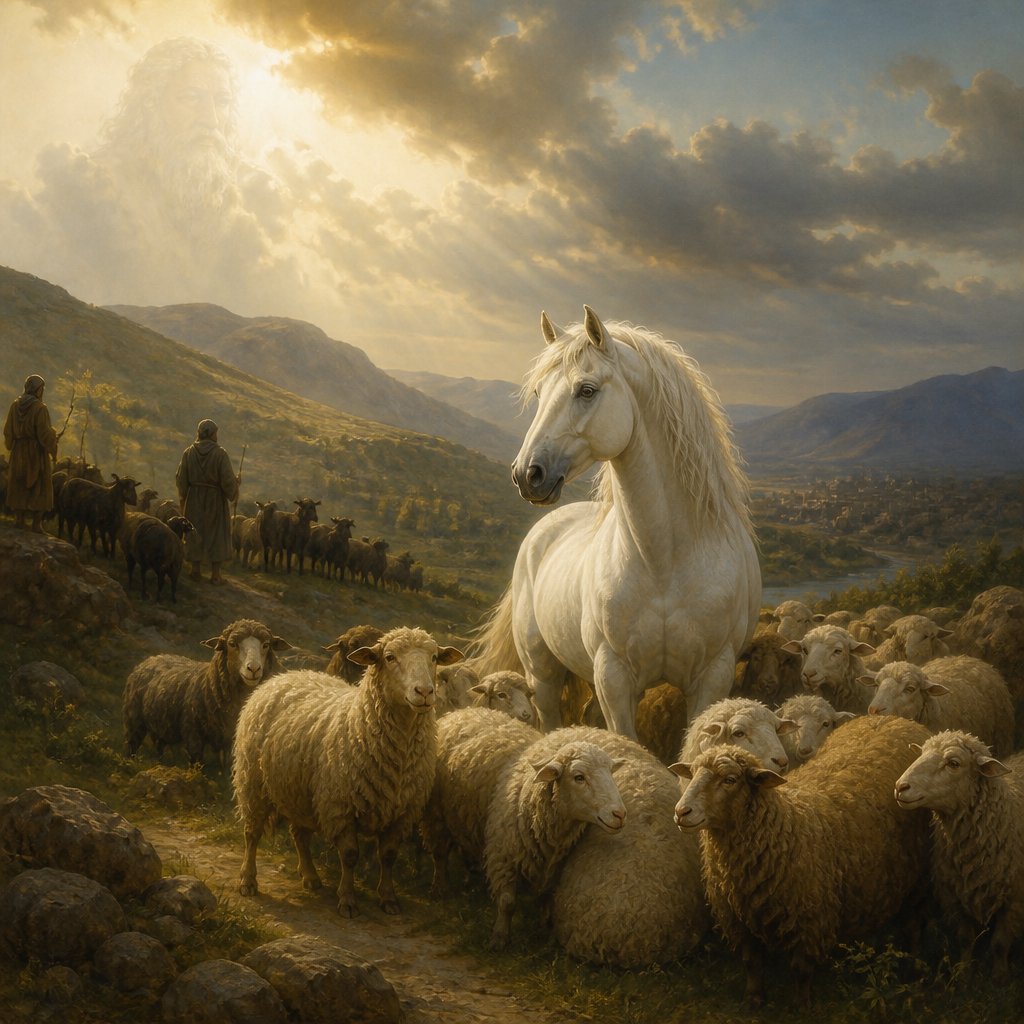
The verse Zechariah 10:3 from the King James Version of the Bible reads, "Mine anger was kindled against the shepherds, and I punished the goats: for the Lord of hosts hath visited his flock the house of Judah, and hath made them as his goodly horse in the battle." This verse falls within the larger context of the book of Zechariah, which is the eleventh of the twelve minor prophets in the Old Testament. The book of Zechariah was written by the prophet Zechariah, who prophesied during the time of the rebuilding of the temple in Jerusalem following the Babylonian exile.
In this verse, the Lord is expressing his anger towards the leaders of Judah, referred to as "shepherds," and the punishment that he has meted out to them. This image of shepherds and goats is a powerful metaphor that reflects the corruption and failure of the leadership in Judah at the time. The shepherds were meant to guide, protect, and care for their flock, but instead, they led them astray and failed in their duties. The goats symbolize those who were in positions of power and authority, yet instead of leading their people with wisdom and righteousness, they used their positions for their own gain and advantage.
The verse goes on to speak of the Lord visiting his flock, the house of Judah, and making them as his goodly horse in the battle. This image represents the restoration and protection that the Lord will provide for his people. The Lord, as the divine shepherd, will come to guide and protect his flock, and he will equip them for the spiritual battle that lies ahead.
The themes present in this verse are those of divine judgment, restoration, and divine protection. The Lord's anger towards the corrupt leaders is a reminder of the consequences of failing to uphold the responsibilities of leadership and the importance of righteousness and justice. However, the verse also speaks of the Lord's visitation and restoration of his people, emphasizing his love and care for them. The image of the goodly horse in battle conveys strength, protection, and victory, demonstrating the Lord's commitment to defend and empower his people in times of trouble.
In its historical context, the book of Zechariah was written during a time of political and social upheaval as the people of Judah were faced with the challenges of rebuilding their city and temple following the Babylonian exile. The verse serves as a message of hope and encouragement to the people, assuring them of the Lord's presence, protection, and provision in the face of adversity.
Symbolically, the imagery of shepherds, goats, and the goodly horse alludes to the spiritual and ethical state of the leaders and people of Judah. The shepherds represent those in positions of authority and leadership, and their failure reflects the moral and spiritual corruption that plagued the nation. The punishment of the goats symbolizes the consequences of their actions, while the image of the goodly horse represents the restoration and empowerment that the Lord will provide for his people.
In conclusion, Zechariah 10:3 conveys a powerful message of divine judgment, restoration, and protection. It serves as a reminder of the importance of righteous leadership and the consequences of moral and spiritual failure. The verse also offers hope and assurance of the Lord's presence and provision for his people in times of trouble. Its imagery and themes are rich with spiritual significance and continue to resonate with readers today, reminding them of the timeless truth of the Lord's faithfulness and care for his people.
Get our apps


Artwork for Zechariah 10:3

Zechariah 10:3 - "Mine anger was kindled against the shepherds, and I punished the goats: for the LORD of hosts hath visited his flock the house of Judah, and hath made them as his goodly horse in the battle."
"Mine anger was kindled against the shepherds, and I punished the goats: for the LORD of hosts hath visited his flock the house of Judah, and hath made them as his goodly horse in the battle." - Zechariah 10:3

Zechariah 3:10 - "In that day, saith the LORD of hosts, shall ye call every man his neighbour under the vine and under the fig tree."

Zechariah 3:3

Zechariah 4:3

Zechariah 3:3 - "Now Joshua was clothed with filthy garments, and stood before the angel."

Ezra 10:26 - "And of the sons of Elam; Mattaniah, Zechariah, and Jehiel, and Abdi, and Jeremoth, and Eliah."

Zechariah 3:6 - "And the angel of the LORD protested unto Joshua, saying,"

Zechariah 5:10 - "Then said I to the angel that talked with me, Whither do these bear the ephah?"
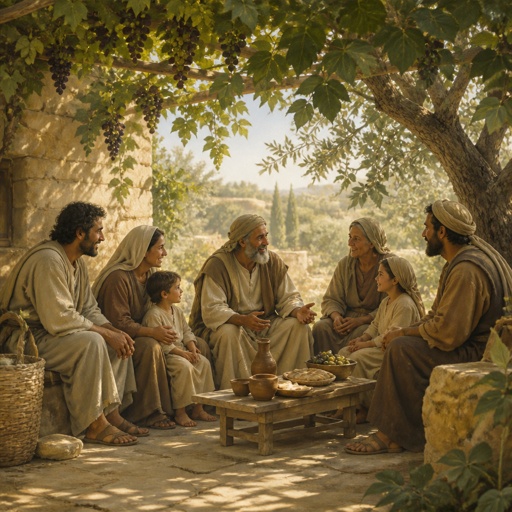
"In that day, saith the LORD of hosts, shall ye call every man his neighbour under the vine and under the fig tree." - Zechariah 3:10

Zechariah 10:12 - "And I will strengthen them in the LORD; and they shall walk up and down in his name, saith the LORD."

Zechariah 6:3 - "And in the third chariot white horses; and in the fourth chariot grisled and bay horses."

Zechariah 7:8-10 - "And the word of the Lord came again to Zechariah: “This is what the Lord Almighty said: ‘Administer true justice; show mercy and compassion to one another. Do not oppress the widow or the fatherless, the foreigner or the poor. Do not plot evil against each other.’"

"Now Joshua was clothed with filthy garments, and stood before the angel." - Zechariah 3:3

Zechariah 10:8 - "I will hiss for them, and gather them; for I have redeemed them: and they shall increase as they have increased."

Zechariah 3: 6 Then the Angel of the LORD admonished Joshua, saying,

Zechariah 3: 6 Then the Angel of the LORD admonished Joshua, saying,

Zechariah 10:10 - "I will bring them again also out of the land of Egypt, and gather them out of Assyria; and I will bring them into the land of Gilead and Lebanon; and place shall not be found for them."

Zechariah 11:3 - "¶ There is a voice of the howling of the shepherds; for their glory is spoiled: a voice of the roaring of young lions; for the pride of Jordan is spoiled."

Zechariah 2:10 - "¶ Sing and rejoice, O daughter of Zion: for, lo, I come, and I will dwell in the midst of thee, saith the LORD."

Ezra 8:3 - "Of the sons of Shechaniah, of the sons of Pharosh; Zechariah: and with him were reckoned by genealogy of the males an hundred and fifty."

Zechariah 2:3 - "And, behold, the angel that talked with me went forth, and another angel went out to meet him,"

Zechariah 14:3 - "Then shall the LORD go forth, and fight against those nations, as when he fought in the day of battle."

Zechariah 10:9 - "And I will sow them among the people: and they shall remember me in far countries; and they shall live with their children, and turn again."

Zechariah 1:10 - "And the man that stood among the myrtle trees answered and said, These are they whom the LORD hath sent to walk to and fro through the earth."

Zechariah 6:10 - "Take of them of the captivity, even of Heldai, of Tobijah, and of Jedaiah, which are come from Babylon, and come thou the same day, and go into the house of Josiah the son of Zephaniah;"

Zechariah 4:3 - "And two olive trees by it, one upon the right side of the bowl, and the other upon the left side thereof."

"And the angel of the LORD protested unto Joshua, saying," - Zechariah 3:6

Zechariah 9:3 - "And Tyrus did build herself a strong hold, and heaped up silver as the dust, and fine gold as the mire of the streets."

Zechariah 10:4 - "Out of him came forth the corner, out of him the nail, out of him the battle bow, out of him every oppressor together."