What does Zechariah 1:6 mean?
“But my words and my statutes, which I commanded my servants the prophets, did they not take hold of your fathers? and they returned and said, Like as the LORD of hosts thought to do unto us, according to our ways, and according to our doings, so hath he dealt with us.” — Zechariah 1:6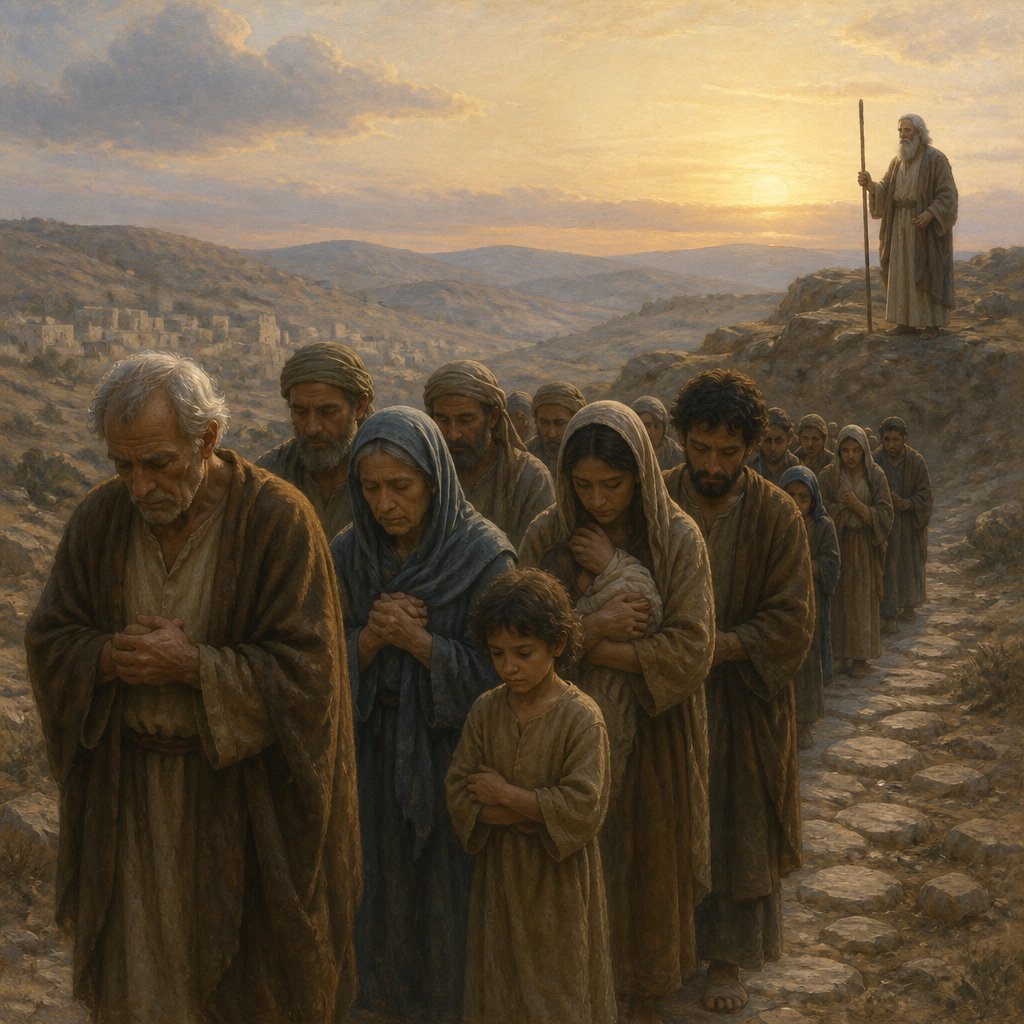
Zechariah 1:6 in the King James Version of the Bible reads, "But my words and my statutes, which I commanded my servants the prophets, did they not take hold of your fathers? and they returned and said, Like as the Lord of hosts thought to do unto us, according to our ways, and according to our doings, so hath he dealt with us." This verse is situated within the larger context of the book of Zechariah, which is one of the twelve Minor Prophets in the Old Testament. This verse occurs at the beginning of the book, wherein Zechariah speaks to the people of Judah, urging them to return to the Lord and heed the words and statutes that were given to them through the prophets.
Upon reading this verse, it is essential to understand the broader historical and cultural context in which it was written. The people of Judah had a long history of receiving messages from God through various prophets, urging them to follow His ways, keep His commandments, and turn away from idolatry and sin. However, the people often strayed from God's ways, leading to periods of exile, captivity, and hardship. In this verse, Zechariah reminds the people of their past disobedience and the consequences they faced as a result.
The verse begins with a reflection on how God's words and statutes, which were conveyed through the prophets, were ignored by the fathers of the people of Judah. Despite the clear guidance and warnings given by the prophets, the people persisted in their disobedience, which ultimately led to the judgment and punishment of God. The verse emphasizes the idea that the words of the prophets "did they not take hold of your fathers?," suggesting that the messages were communicated clearly and effectively, but the people chose not to heed them.
The latter part of the verse speaks to the retribution that the people faced due to their disobedience. They experienced the fulfillment of God's thoughts and intentions towards them, as their ways and doings resulted in God's judgment upon them. This retribution was not arbitrary but rather a consequence of their actions, as indicated by the phrase, "according to our ways, and according to our doings, so hath he dealt with us." This reaffirms the principle of sowing and reaping, as the people reaped the consequences of their actions.
The themes present in this verse are representative of broader biblical themes found throughout the Old Testament. One of the central themes is the concept of divine judgment and the consequences of disobedience. Throughout the history of Israel, God consistently warned His people through the prophets about the repercussions of turning away from Him. This verse serves as a reminder of the importance of obedience to God's word and the inevitable consequences of disobedience.
Another theme present in this verse is the faithfulness of God. Despite the disobedience of the people, God remained faithful to His word and His covenant with Israel. The prophets served as a means through which God communicated His expectations and warnings to the people, demonstrating His desire for them to turn back to Him. Even in the midst of judgment, God's faithfulness remained, as He upheld His promises and continued to call His people back to Himself.
Symbolism plays a significant role in understanding the deeper meaning of this verse. The "words and statutes" of God represent His divine revelation and guidance for His people. The "servants the prophets" served as intermediaries between God and the people, delivering His messages and warnings. The disobedience of the people symbolizes the broader human tendency to reject God's instructions and pursue their own desires. The retribution faced by the people serves as a symbol of the consequences of sin and the righteousness of God's judgment.
In conclusion, Zechariah 1:6 serves as a poignant reminder of the importance of heeding the words and statutes of God and the inevitable consequences of disobedience. The verse highlights the themes of divine judgment, God's faithfulness, and the imperative of obedience to His word. It also employs symbolism to convey the broader significance of the people's disobedience and the consequences they faced. Ultimately, this verse emphasizes the timeless truths of God's sovereignty, faithfulness, and the importance of obedience in the relationship between God and His people.
Get our apps


Artwork for Zechariah 1:6

Zechariah 1:6 - "But my words and my statutes, which I commanded my servants the prophets, did they not take hold of your fathers? and they returned and said, Like as the LORD of hosts thought to do unto us, according to our ways, and according to our doings, so hath he dealt with us."
"But my words and my statutes, which I commanded my servants the prophets, did they not take hold of your fathers? and they returned and said, Like as the LORD of hosts thought to do unto us, according to our ways, and according to our doings, so hath he dealt with us." - Zechariah 1:6

Zechariah 1:1-6

Zechariah 4:6 (ESV) Not by might, nor by power, but by my Spirit, says the LORD of hosts.

Zechariah 4:6 (NLT)

Zechariah 6:1 - "And I turned, and lifted up mine eyes, and looked, and, behold, there came four chariots out from between two mountains; and the mountains were mountains of brass."

Zechariah 3:6 - "And the angel of the LORD protested unto Joshua, saying,"

Zechariah 6:9 - "¶ And the word of the LORD came unto me, saying,"

Zechariah 6:14 - "And the crowns shall be to Helem, and to Tobijah, and to Jedaiah, and to Hen the son of Zephaniah, for a memorial in the temple of the LORD."

Zechariah 1:1 - "In the eighth month, in the second year of Darius, came the word of the LORD unto Zechariah, the son of Berechiah, the son of Iddo the prophet, saying,"

Zechariah 6:2 - "In the first chariot were red horses; and in the second chariot black horses;"

Zechariah 14:6 - "And it shall come to pass in that day, that the light shall not be clear, nor dark:"

Zechariah 6:3 - "And in the third chariot white horses; and in the fourth chariot grisled and bay horses."

Zechariah 9:6 - "And a bastard shall dwell in Ashdod, and I will cut off the pride of the Philistines."

Zechariah 6:4 - "Then I answered and said unto the angel that talked with me, What are these, my lord?"

Zechariah 3: 6 Then the Angel of the LORD admonished Joshua, saying,

Zechariah 3: 6 Then the Angel of the LORD admonished Joshua, saying,

Zechariah 6:6 - "The black horses which are therein go forth into the north country; and the white go forth after them; and the grisled go forth toward the south country."

Zechariah 7:1 - "And it came to pass in the fourth year of king Darius, that the word of the LORD came unto Zechariah in the fourth day of the ninth month, even in Chisleu;"

Zechariah 6:11 - "Then take silver and gold, and make crowns, and set them upon the head of Joshua the son of Josedech, the high priest;"

Zechariah 7:6 - "And when ye did eat, and when ye did drink, did not ye eat for yourselves, and drink for yourselves?"

"And the angel of the LORD protested unto Joshua, saying," - Zechariah 3:6

"¶ And the word of the LORD came unto me, saying," - Zechariah 6:9

Zechariah 5:6 - "And I said, What is it? And he said, This is an ephah that goeth forth. He said moreover, This is their resemblance through all the earth."

1 Chronicles 9:37 - "And Gedor, and Ahio, and Zechariah, and Mikloth."

Zechariah 1:20 - "And the LORD shewed me four carpenters."

Zechariah 6:10 - "Take of them of the captivity, even of Heldai, of Tobijah, and of Jedaiah, which are come from Babylon, and come thou the same day, and go into the house of Josiah the son of Zephaniah;"

Zechariah 1:7 - "¶ Upon the four and twentieth day of the eleventh month, which is the month Sebat, in the second year of Darius, came the word of the LORD unto Zechariah, the son of Berechiah, the son of Iddo the prophet, saying,"

Zechariah 8:6 - "Thus saith the LORD of hosts; If it be marvellous in the eyes of the remnant of this people in these days, should it also be marvellous in mine eyes? saith the LORD of hosts."

Zechariah 6:5 - "And the angel answered and said unto me, These are the four spirits of the heavens, which go forth from standing before the Lord of all the earth."