
Create a historical watercolor painting that depicts Apostle Paul seated at a desk, writing his concluding letter to the church in Rome. In the room, imagine a diverse group of people representative of the early church. Include men and women from different ethnic backgrounds and social standings. These people should be portrayed in a way that suggest they are deeply respected and cherished, active and essential members of their community. There should be women whose prominence in the scene implies their active roles within the community, despite societal norms. The mood should be peaceful and reverent, with an underlying sense of unity and kinship. Emphasize the sense of connection shared amongst the individuals due to their common faith in Jesus, leading to a feeling of a diverse but unified gathering.
Free to use for non-commercial purposes with attribution. See Terms
Create an image that depicts what we see In Romans 16:1-16, 21-23, where Paul is writing his letter and concluding it to the church in Rome by greeting a long list of individuals. These greetings reveal the incredible diversity of the early church, including people of different ethnic backgrounds, social standings, and both men and women. Paul mentions several women, including Phoebe, Priscilla, and Mary, who were actively serving and respected within the community, despite the cultural norms that often marginalized women. Paul also describes these individuals with terms of endearment, such as “my beloved” and “my fellow workers,” showing his deep care and genuine relationships with the people, even though he had never visited the church in Rome. Throughout this list, Paul repeatedly emphasizes that these relationships and their service are “in Christ” or “in the Lord,” underscoring the unity they share in Jesus. This passage serves as a beautiful picture of a diverse but unified church, connected by their faith and love for Christ.
Watercolor
Study Romans 16:1-16
“I commend unto you Phebe our sister, which is a servant of the church which is at Cenchrea:”
Romans 16:1-16


More from Romans

Romans 8

Romans 10

romans 8

Romans 1

Romans 12:2

Romans 12:2

Romans 12:2

Romans 10:17

Romans 10:17

Romans 10:17

Romans 12:2
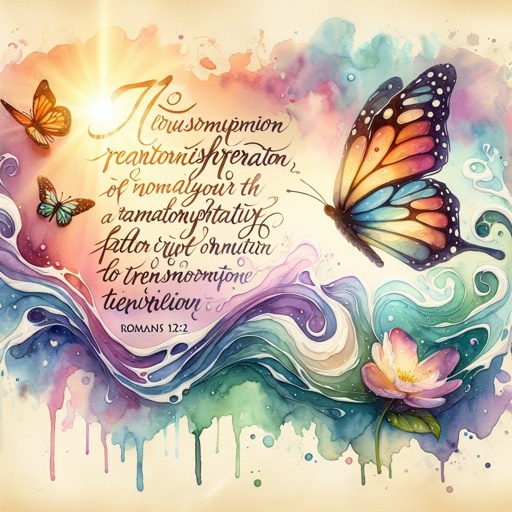
Romans 12:2

Romans 12:2
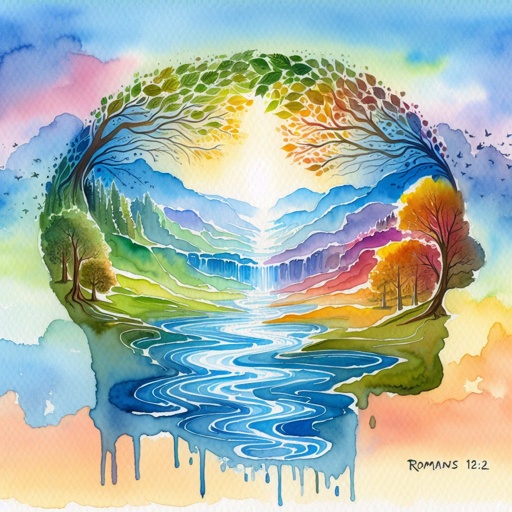
Romans 12:2

Romans 10:17

Romans 12:2

Romans 10:17

Romans 12:2

Romans 12:2

Romans 10:17

Romans 12:2

Romans 12:2

Romans 12:2

Romans 5:1

Romans 12:2

Romans 12:2
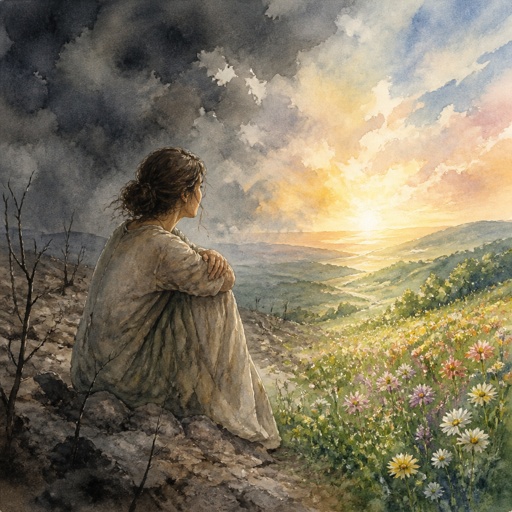
Romans 8:18

Romans 8:31

Romans 2:4

Romans 12:2