
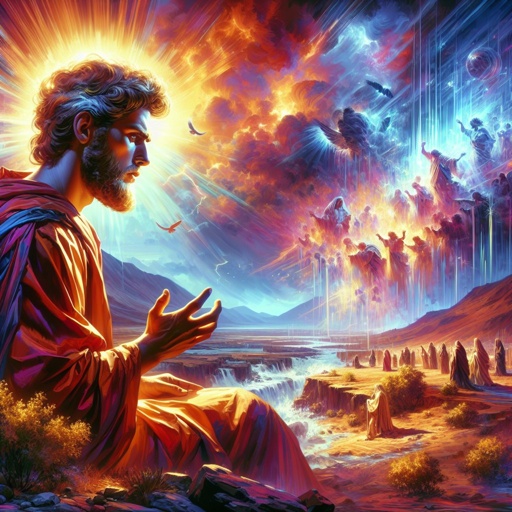
A digital interpretation of a scene from the biblical verse Hosea 2:16. In it, a figure stands in contemplation, having a moment of spiritual awakening or revelation. The simple robe and hemp sandals suggest the humility and asceticism that often comes with biblical figures. A faint ethereal glow surrounds them symbolizing divine enlightenment. The background is a vivid representation of the heavens with swirling colors of a sunrise or sunset. All elements combined to illustrate 'And it shall be at that day, saith the LORD, that thou shalt call me Ishi; and shalt call me no more Baali.'
Free to use for non-commercial purposes with attribution. See Terms
Hosea 2:16 - "And it shall be at that day, saith the LORD, that thou shalt call me Ishi; and shalt call me no more Baali."
Digital Art
Study Hosea 2:16


More from Hosea
Hosea 1:2 - "The beginning of the word of the LORD by Hosea. And the LORD said to Hosea, Go, take unto thee a wife of whoredoms and children of whoredoms: for the land hath committed great whoredom, departing from the LORD."

Prophet Hosea

Prophet Hosea

Prophet Hosea

Prophet Hosea

Prophet Hosea
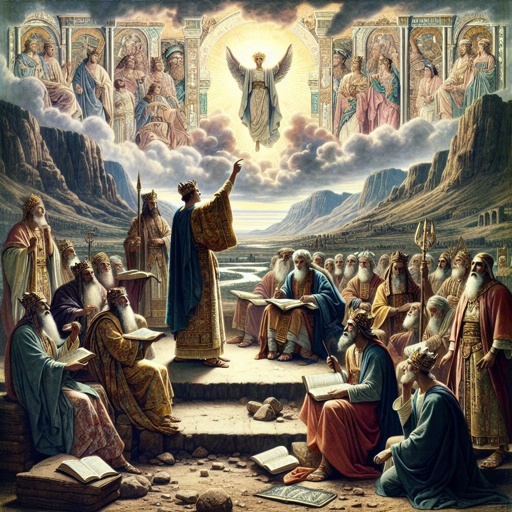
Hosea 1:1 - "The word of the LORD that came unto Hosea, the son of Beeri, in the days of Uzziah, Jotham, Ahaz, and Hezekiah, kings of Judah, and in the days of Jeroboam the son of Joash, king of Israel."

Introduction Of The Book Of Hosea

Hosea 1:2

Hosea 3:1

Hosea 1:2
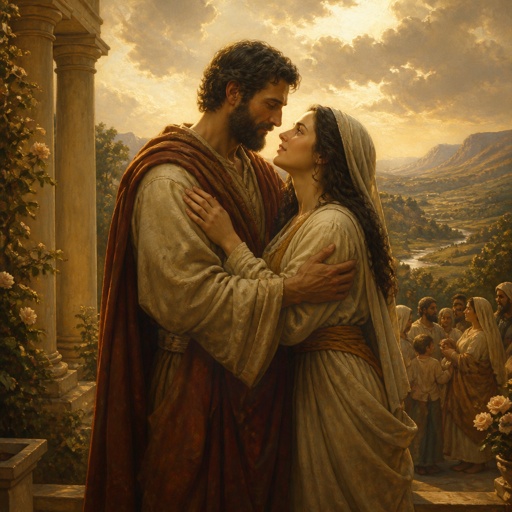
Hosea and Gomer happy ending
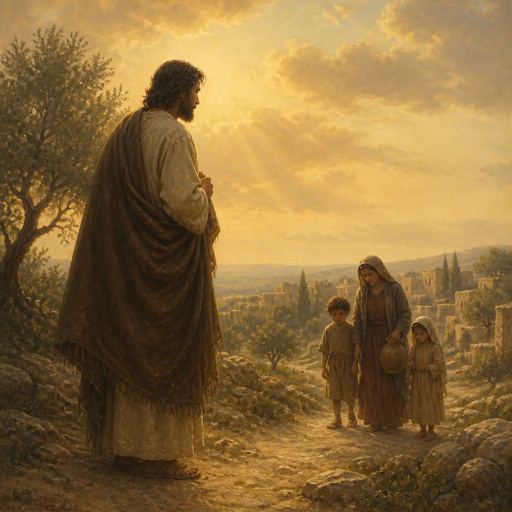
"The beginning of the word of the LORD by Hosea. And the LORD said to Hosea, Go, take unto thee a wife of whoredoms and children of whoredoms: for the land hath committed great whoredom, departing from the LORD." - Hosea 1:2

Hosea 3:1-5
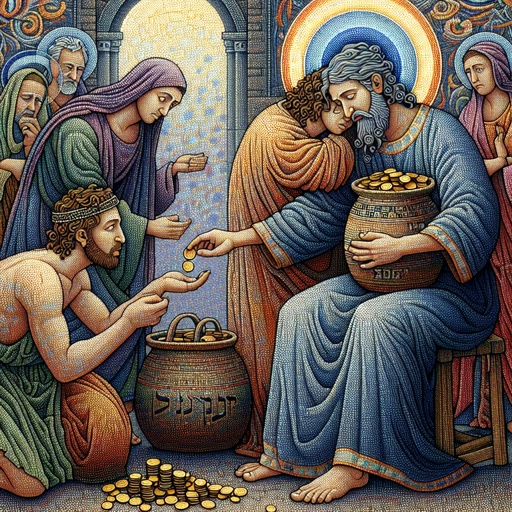
In accordance with the book of Hosea, and in the setting of a 5th century BCE Israelite village, Hosea, a Hebrew prophet, puts coins in the hand of another Hebrew man while at the same time, embracing his wife, Gomer.

Hosea 7:3 - "They make the king glad with their wickedness, and the princes with their lies."

Hosea 12:5 - "Even the LORD God of hosts; the LORD is his memorial."

Hosea 1:2-11;2:14;3:5

Hosea 4:17 - "Ephraim is joined to idols: let him alone."

In accordance with the book of Hosea, and in the setting of a 5th century BCE Israelite village, Hosea, a Hebrew prophet, puts coins in the hand of another Hebrew man while at the same time, embracing his repentant wife, Gomer.

Hosea 5:12 - "Therefore will I be unto Ephraim as a moth, and to the house of Judah as rottenness."

Hosea 13:5 - "¶ I did know thee in the wilderness, in the land of great drought."

Hosea 2:4 - "And I will not have mercy upon her children; for they be the children of whoredoms."

Hosea 14:5-6 – "I will be like the dew to Israel; he will blossom like a lily."

Hosea 13:12 - "The iniquity of Ephraim is bound up; his sin is hid."

Hosea 6:8 - "Gilead is a city of them that work iniquity, and is polluted with blood."

Hosea 12:13 - "And by a prophet the LORD brought Israel out of Egypt, and by a prophet was he preserved."

Hosea 2:1 - "Say ye unto your brethren, Ammi; and to your sisters, Ruhamah."
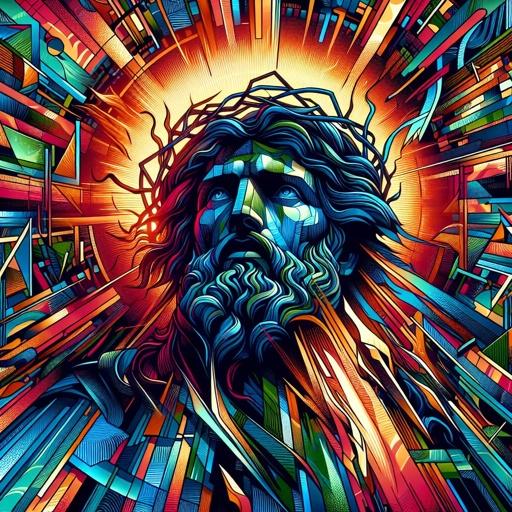
Hosea 13:9 - "¶ O Israel, thou hast destroyed thyself; but in me is thine help."

Hosea 2:22 - "And the earth shall hear the corn, and the wine, and the oil; and they shall hear Jezreel."