
Create a respectful image of a religious central figure resembling typical biblical depictions, seated upon a grand throne, portrayed with the finesse and intricate detail characteristic of the Renaissance era. The scene should be imbued with sacred symbols and motifs common in biblical art, amplifying the solemn and divine aura of this spiritual leadership. Please ensure no textual elements are included.
Free to use for non-commercial purposes with attribution. See Terms


Explore more artwork

I prioritize my self-care and make time for relaxation and rejuvenation.
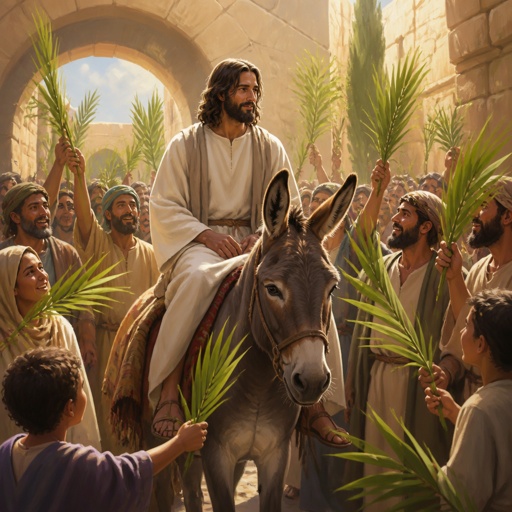
Mark 11:36
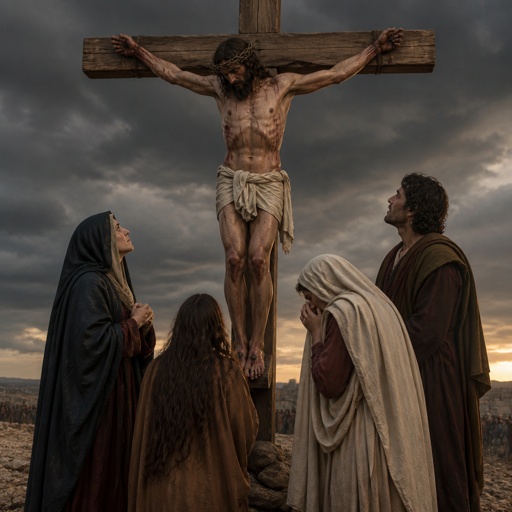
Jesus on the cross with people standing next to him
![Know therefore that the LORD thy God, he [is] God, the faithful God, which keepeth covenant and mercy with them that love him and keep his commandments to a thousand generations;
Deuteronomy 7:9](https://media.bible.art/1bf6bc5f-0ee9-47d1-8767-d87f74139992-thumbnail.jpg)
Know therefore that the LORD thy God, he [is] God, the faithful God, which keepeth covenant and mercy with them that love him and keep his commandments to a thousand generations; Deuteronomy 7:9
![Know therefore that the LORD thy God, he [is] God, the faithful God, which keepeth covenant and mercy with them that love him and keep his commandments to a thousand generations;
Deuteronomy 7:9](https://media.bible.art/ff8f4232-92d5-42b0-b0c8-c9e61f0e4474-thumbnail.jpg)
Know therefore that the LORD thy God, he [is] God, the faithful God, which keepeth covenant and mercy with them that love him and keep his commandments to a thousand generations; Deuteronomy 7:9
![Know therefore that the LORD thy God, he [is] God, the faithful God, which keepeth covenant and mercy with them that love him and keep his commandments to a thousand generations;
Deuteronomy 7:9](https://media.bible.art/0bd1c877-66bf-4873-b0f4-60a555f822ee-thumbnail.jpg)
Know therefore that the LORD thy God, he [is] God, the faithful God, which keepeth covenant and mercy with them that love him and keep his commandments to a thousand generations; Deuteronomy 7:9
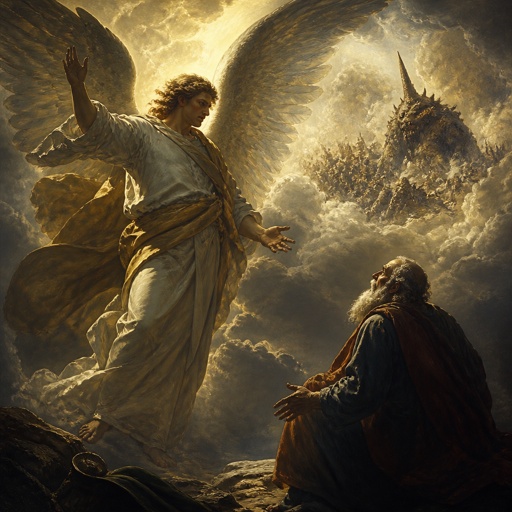
mighty archangel Gabriel speaking to Daniel about the little horn, make gabriel powerful
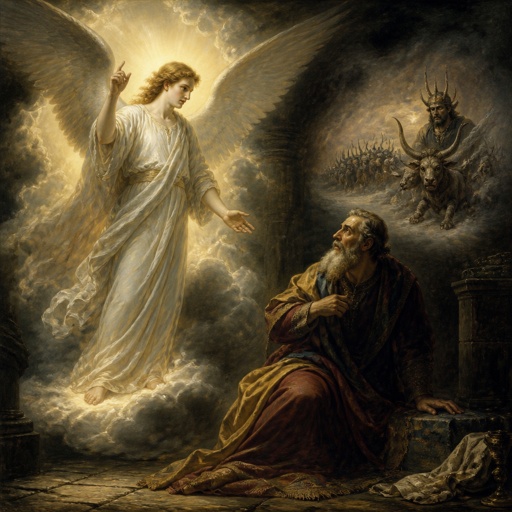
mighty archangel Gabriel speaking to Daniel about the little horn
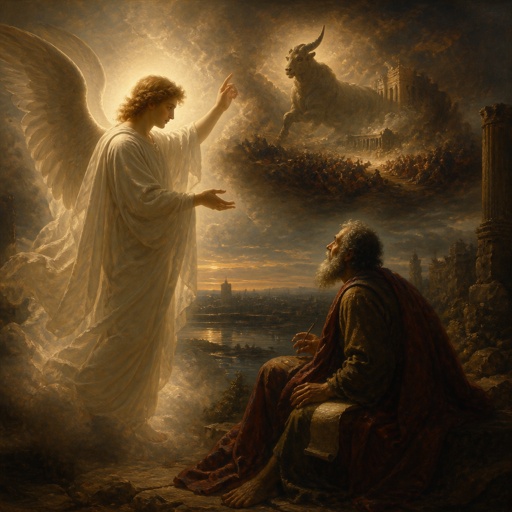
Gabriel speaking to Daniel about the little horn
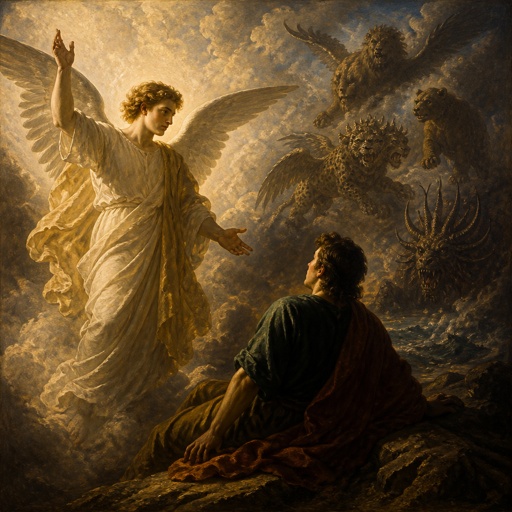
Gabriel speaking to Daniel in chapter 7
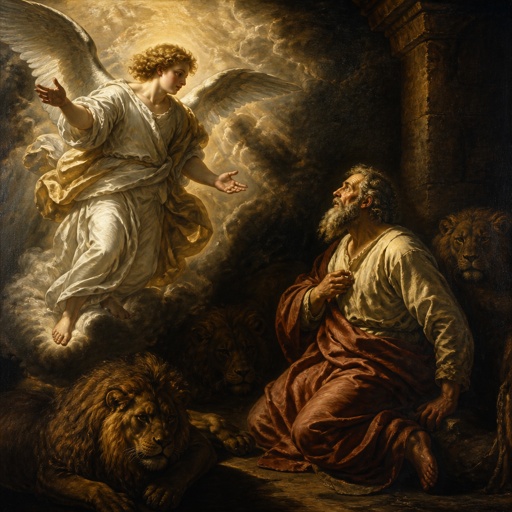
Gabriel speaking to Daniel
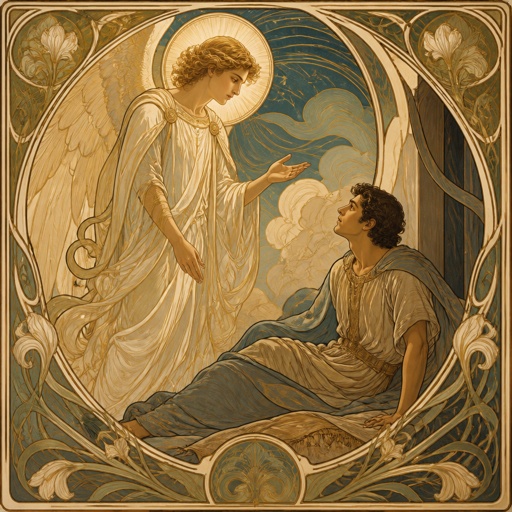
Gabriel speaking to Daniel
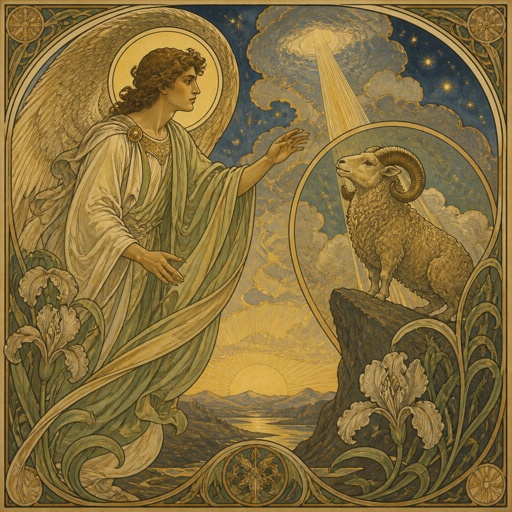
Gabriel Daniel 8:16
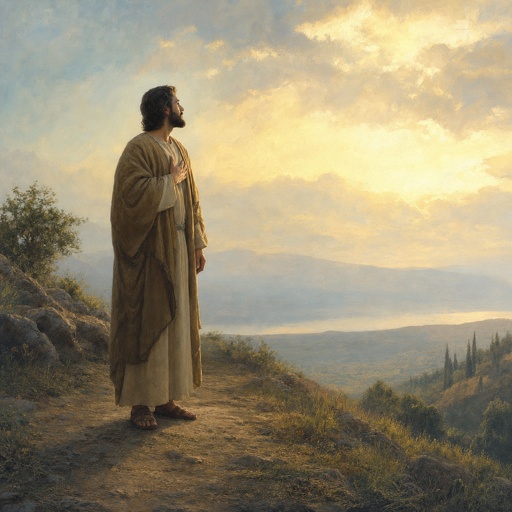
"What time I am afraid, I will trust in thee. In God I will praise his word, in God I have put my trust; I will not fear what flesh can do unto me." - Psalms 56:3-4
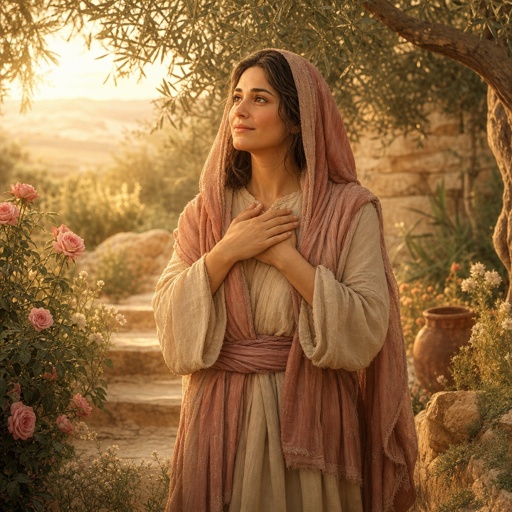
"What time I am afraid, I will trust in thee. In God I will praise his word, in God I have put my trust; I will not fear what flesh can do unto me." - Psalm 56:3-4
!["[There is] therefore now no condemnation to them which are in Christ Jesus, who walk not after the flesh, but after the Spirit." - Romans 8:1](https://media.bible.art/fadfff54-faf9-43b0-8052-414f7af30b85-thumbnail.jpg)
"[There is] therefore now no condemnation to them which are in Christ Jesus, who walk not after the flesh, but after the Spirit." - Romans 8:1
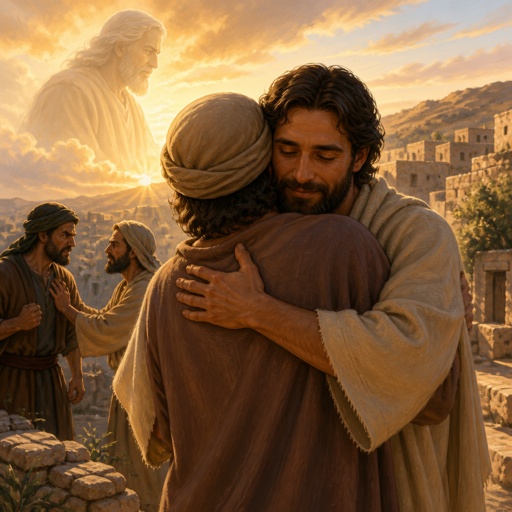
Leviticus 19:18 - "¶ Thou shalt not avenge, nor bear any grudge against the children of thy people, but thou shalt love thy neighbour as thyself: I am the LORD."
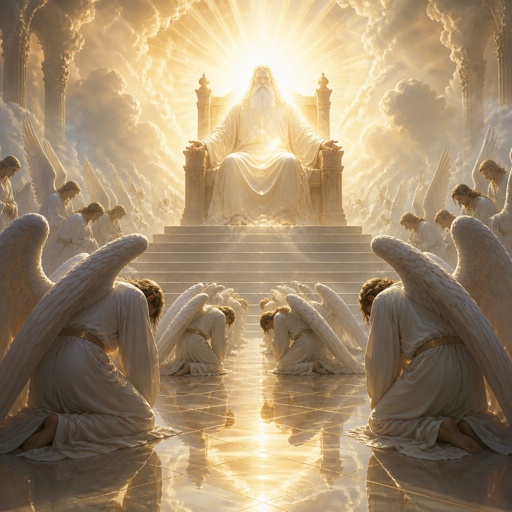
Angels bowing to God
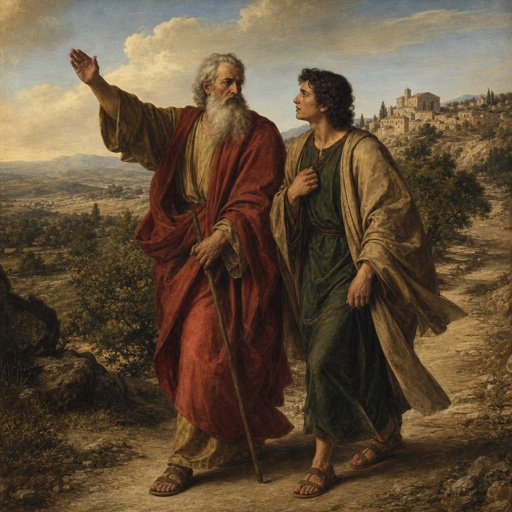
Elijah and Elisha were on their way from Gilgal. 2 Elijah said to Elisha, “Stay here; the Lord has sent me to Bethel.”But Elisha said, “As surely as the Lord lives and as you live, I will not leave you.” So they went down to Bethel.
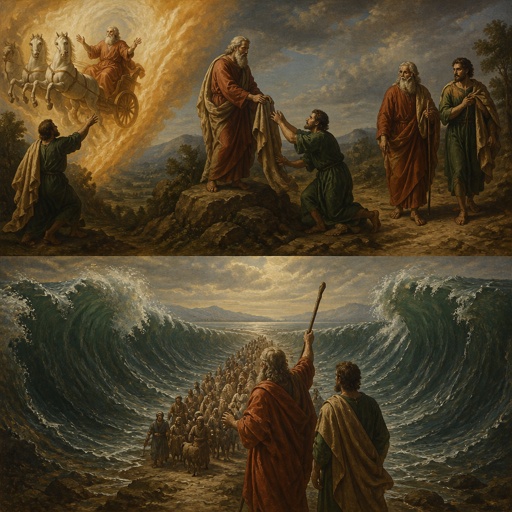
The sequence of events and Elijah and elisha parting water
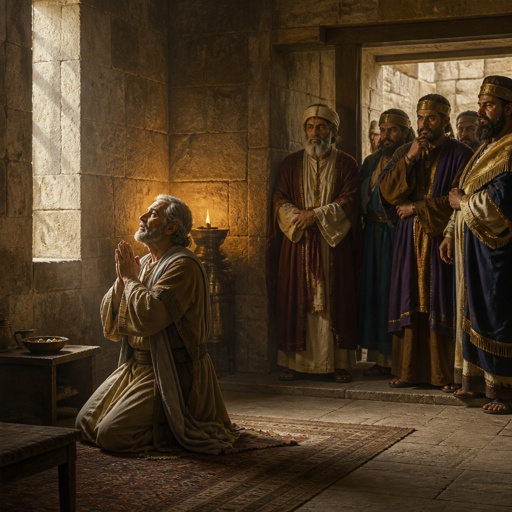
"Then these men assembled, and found Daniel praying and making supplication before his God." - Daniel 6:11

I am focused and disciplined. I can think clearly and solve any problem.
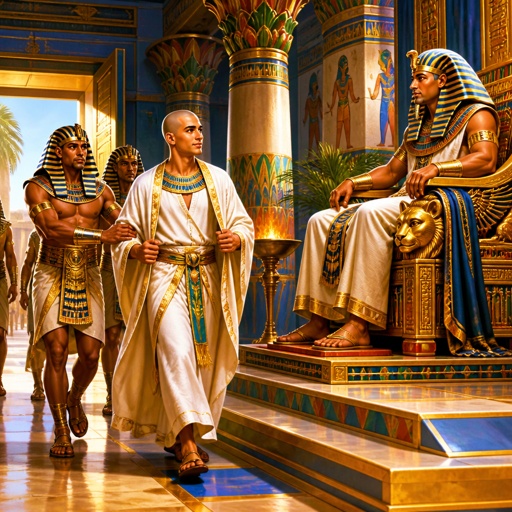
"¶ Then Pharaoh sent and called Joseph, and they brought him hastily out of the dungeon: and he shaved himself body and head all , and changed his raiment, and came in unto Pharaoh." - Genesis 41:14
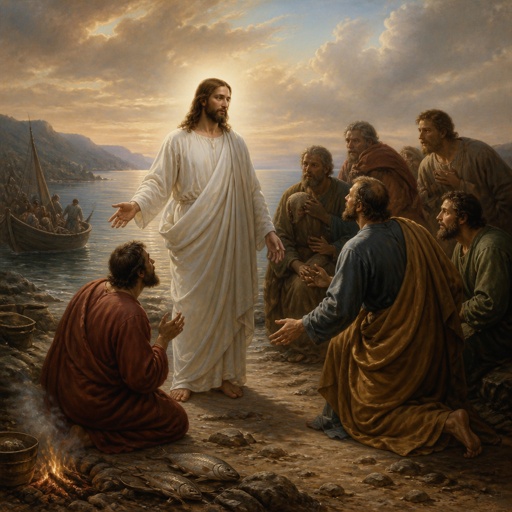
Arătare lui Isus în Galilea
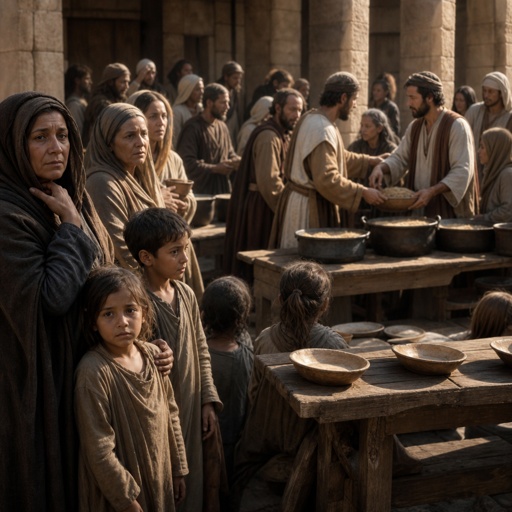
The Scene: A bustling early Christian community setting where a group of Greek-speaking (Hellenistic) widows are standing aside, looking neglected or distressed during the daily food and alms distribution, while others are being served.Key Visuals: Large pots of grain or bread, crowded tables, and expressions of disagreement or murmuring between the Greek-speaking and Hebraic Jews. Showing hungry women and children and empty tables and empty plates
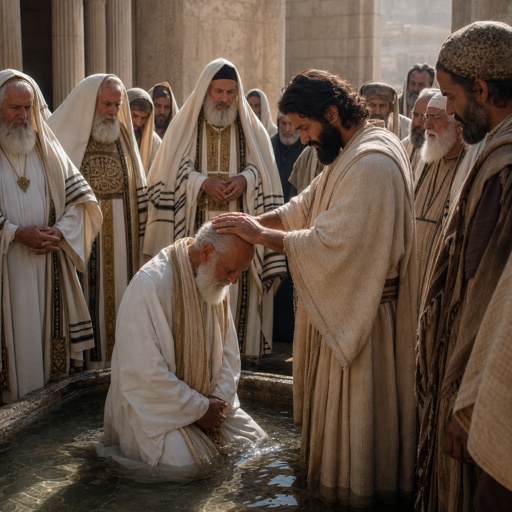
The Scene: A powerful concluding image showing traditional Jewish priests, potentially outside or inside temple quarters, casting off their skepticism. Key Visuals: Priests in liturgical garments bowing their heads, accepting baptism, or studying the scriptures with the apostles, symbolizing that "a great company of the priests were obedient to the faith."
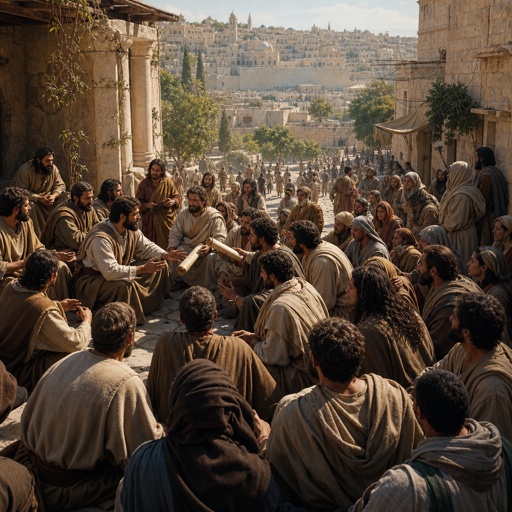
The Scene: A dynamic, expansive depiction of the immediate aftermath—the Gospel rapidly radiating outwards through the streets of Jerusalem. Key Visuals: Disciples actively teaching, scrolls being shared, and crowds gathering outdoors as the community of believers multiplies significantly.
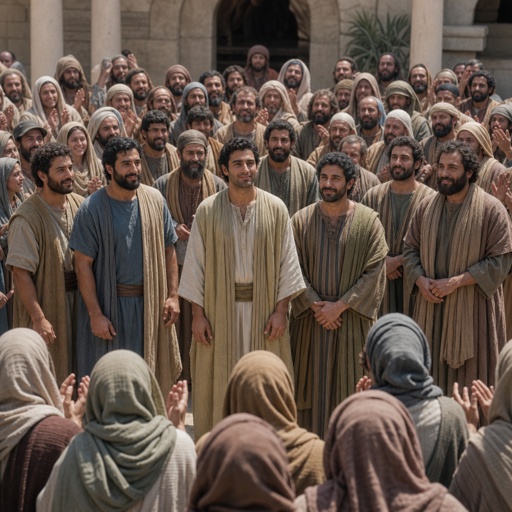
The Scene: The entire congregation gathered in agreement, happily selecting and presenting the chosen seven men from among themselves. Key Visuals: Stephen (noted as a man full of faith and the Holy Spirit), Philip, Prochorus, Nicanor, Timon, Parmenas, and Nicolaus stepping forward out of the crowd.
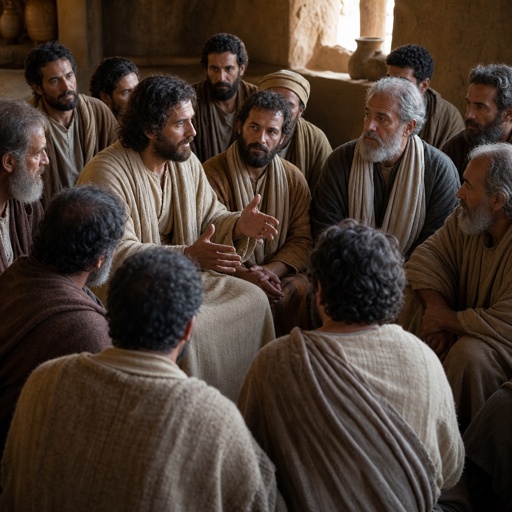
3. Setting the Standards for the Seven (Acts 6:3–4) The Scene: A closer, more intimate teaching moment where the Apostles explicitly outline the traits required for these new leaders. Key Visuals: The Apostles interacting with community elders, emphasizing qualities of being "of good repute, full of the Spirit and of wisdom." to address the problem.
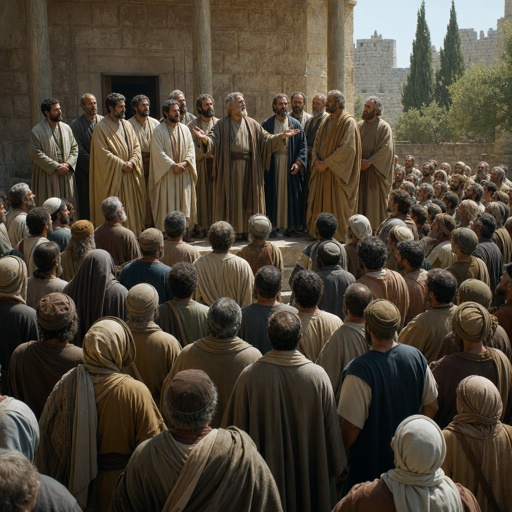
2. The Twelve Apostles Convening the Multitude (Acts 6:2) The Scene: The Twelve Apostles standing together, addressing a massive, diverse crowd of disciples in Jerusalem to address the problem. Key Visuals: Peter or another apostle gesturing to the crowd, explaining that it is not right for them to neglect preaching the Word of God to wait on tables.