Dukes and Destiny: Embracing Our Ancestry and Identity in Christ
“Duke Aholibamah, duke Elah, duke Pinon,” — 1 Chronicles 1:52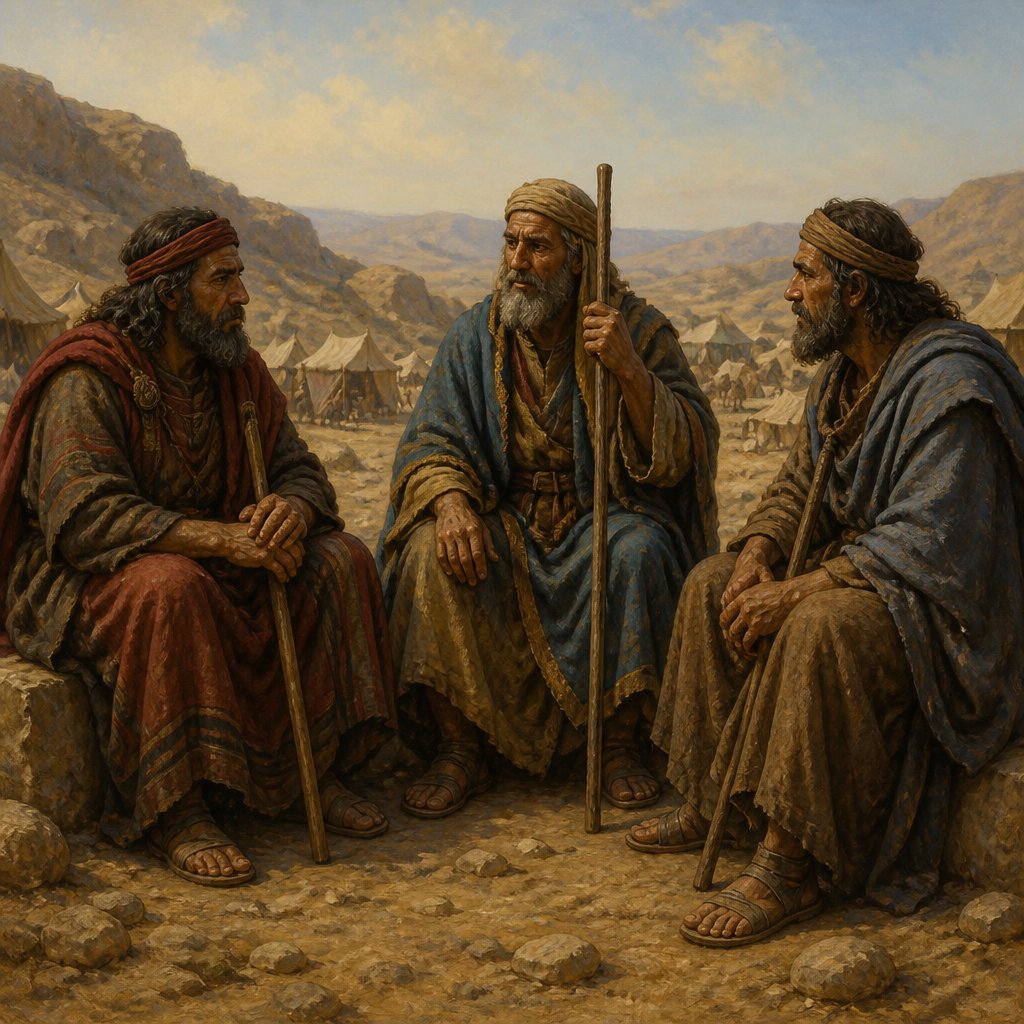
In 1 Chronicles 1:52, we encounter a seemingly straightforward verse that lists three dukes: "Duke Aholibamah, duke Elah, duke Pinon." On first glance, this might seem like an inconsequential snippet from the genealogies of Israel, but a deeper examination reveals profound truths about identity, legacy, and purpose that resonate within the life of a believer.
The book of Chronicles is renowned for its meticulous genealogies, establishing lineage and heritage among the people of Israel. This particular verse reminds us that our backgrounds and the paths of our ancestors hold a significant place in our story. The dukes mentioned — Aholibamah, Elah, and Pinon — form part of the lineage, tracing back to Esau, whose story unfolds with themes of struggle, choice, and God's providence.
### Embracing Our Heritage
These names may sound obscure, yet they each represent a piece of a larger narrative — a history that God has intricately woven into the tapestry of humanity. As Christians, we are often asked to contemplate the weight of our heritage. What familial influences shape us? What traditions have been passed down that mold our faith? While Aholibamah, Elah, and Pinon may not be prominent figures, their mention emphasizes that every person has a role in God’s design. It challenges us to consider that every believer, no matter their background or circumstance, has inherent value and purpose.
Consider Duke Aholibamah, for whom name means “tent of the father.” This evokes the image of a dwelling place, a safe haven, much like the relationship we have with God as our Father. It beckons us to ask ourselves: Are we dwelling in the presence of our Heavenly Father? Do we find our identity rooted in Him? In contrasting our spiritual inheritance as Christians with the dukes of the past, we can affirm that our faith ties us not only to a momentary legacy but to the eternal lineage perfected through Christ.
### The Value of Every Name
Each duke represents a life, a story, and a contribution to the community. In God’s kingdom, every name counts, and every life matters. This notion should inspire us to value those around us. In Luke 10:20, Jesus tells His disciples, "Rejoice that your names are written in heaven." The implication is beautiful: we belong to a greater narrative, one that transcends history. As we reflect on the names in 1 Chronicles, let’s also reflect on our name in the Book of Life. Our identity in Christ is vital, and each of us has a part to play in the body of believers.
### Destiny and Purpose
Each duke had a destiny that intertwined with the community and the unfolding plan of God. As Christians, we are also called to a divine purpose. Ephesians 2:10 reminds us, "For we are His workmanship, created in Christ Jesus unto good works, which God hath before ordained that we should walk in them." Just as the dukes had roles that contributed to the larger plan, we too are equipped for specific tasks within our lives.
What are our talents and gifts? How can we serve others in our communities? Are there areas in our lives where God is prompting us to fulfill our purpose? Just as God recognized the lives of Aholibamah, Elah, and Pinon, He recognizes you and desires to use you to bring glory to His name.
### Conclusion
In light of 1 Chronicles 1:52, let’s honor our heritage. Reclaim our identity as children of the King, and embrace our purpose in the greater story God is weaving in our lives. Let’s remember that, like Aholibamah, Elah, and Pinon, we may have the opportunity to impact those around us profoundly. Our names, our stories, and our contributions matter in the Kingdom of God. May we dwell in His tent, serve with zeal, and walk confidently in our God-ordained destiny.
Get our apps


Artwork for 1 Chronicles 1:52

1 Chronicles 1:52 - "Duke Aholibamah, duke Elah, duke Pinon,"
"Duke Aholibamah, duke Elah, duke Pinon," - 1 Chronicles 1:52

1 Chronicles 2:52 - "And Shobal the father of Kirjath-jearim had sons; Haroeh, and half of the Manahethites."

1 Chronicles 6:52 - "Meraioth his son, Amariah his son, Ahitub his son,"
"Meraioth his son, Amariah his son, Ahitub his son," - 1 Chronicles 6:52
"And Shobal the father of Kirjath-jearim had sons; Haroeh, and half of the Manahethites." - 1 Chronicles 2:52

Jeremiah 52:16
Psalm 52:5

1 Corinthians 15:51-52

1 Corinthians 15:51-52

1 Corinthians 15:51-52

1 Corinthians 15:51-52

Luke 1:52 - "He hath put down the mighty from their seats, and exalted them of low degree."

1 Kings 1:52 - "And Solomon said, If he will shew himself a worthy man, there shall not an hair of him fall to the earth: but if wickedness shall be found in him, he shall die."

Psalms 52:1 - "Why boastest thou thyself in mischief, O mighty man? the goodness of God endureth continually."

1 Chronicles 1:15

1 Chronicles 1:15

1 Corinthians 15:52 - "In a moment, in the twinkling of an eye, at the last trump: for the trumpet shall sound, and the dead shall be raised incorruptible, and we shall be changed."

1 Chronicles 1:1 - "Adam, Sheth, Enosh,"
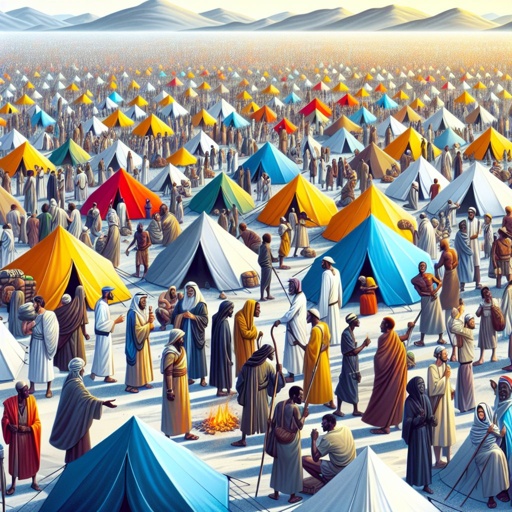
Numbers 1:52 - "And the children of Israel shall pitch their tents, every man by his own camp, and every man by his own standard, throughout their hosts."

1 Chronicles 1:24 - "¶ Shem, Arphaxad, Shelah,"

1 Chronicles 1:3 - "Henoch, Methuselah, Lamech,"

1 Chronicles 1:2 - "Kenan, Mahalaleel, Jered,"

1 Chronicles 1:25 - "Eber, Peleg, Reu,"

1 Chronicles 1:26 - "Serug, Nahor, Terah,"

"Adam, Sheth, Enosh," - 1 Chronicles 1:1

"Eber, Peleg, Reu," - 1 Chronicles 1:25

"¶ Shem, Arphaxad, Shelah," - 1 Chronicles 1:24

1 Chronicles 1:27 - "Abram; the same is Abraham."

"Serug, Nahor, Terah," - 1 Chronicles 1:26