Dukes and Destiny: Understanding Our Heritage in Christ
“Duke Magdiel, duke Iram. These are the dukes of Edom.” — 1 Chronicles 1:54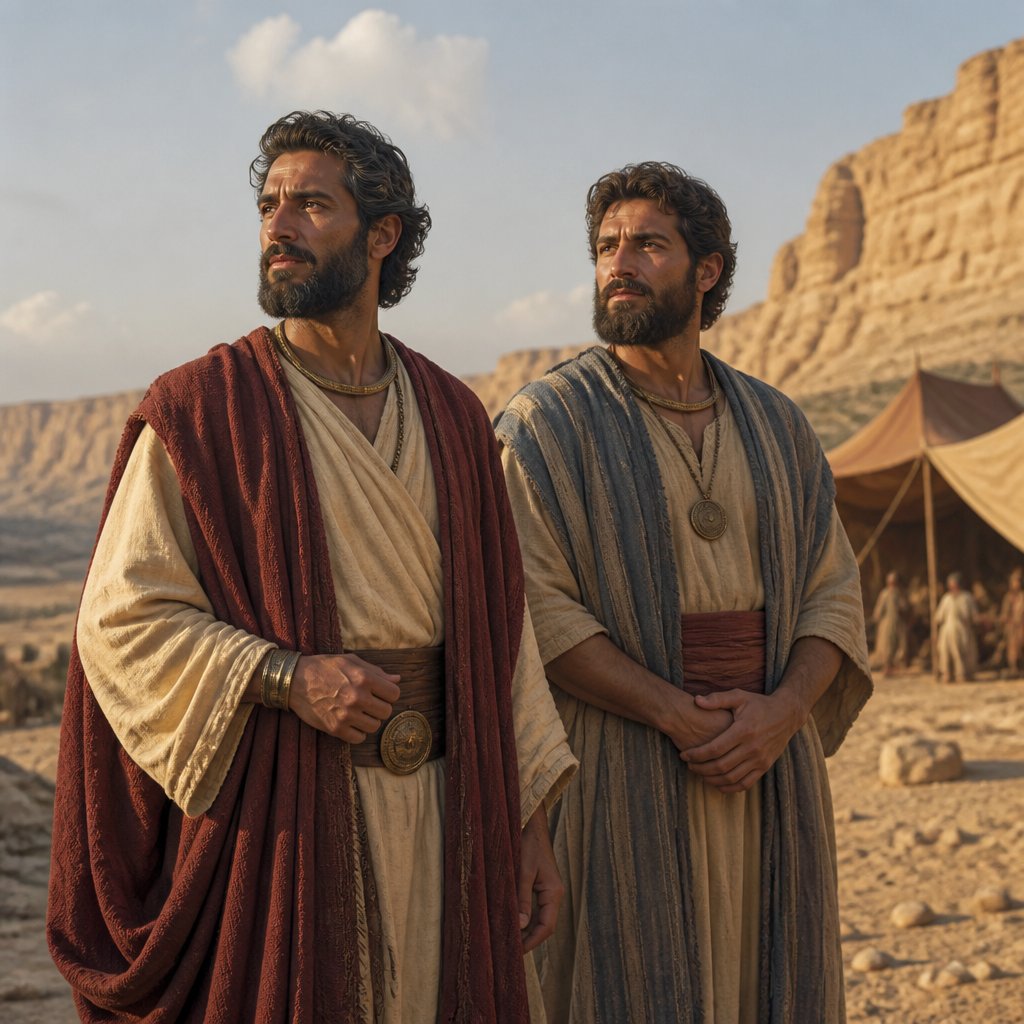
**Introduction to Heritage and Identity**
As we delve into the genealogy of the Bible, we often encounter passages that contain lists of names, places, and titles which can seem tedious or unremarkable, such as 1 Chronicles 1:54: "Duke Magdiel, duke Iram. These are the dukes of Edom." However, hidden beneath the surface of these genealogies lies a profound truth about our identity and heritage as believers in Christ.
**The Significance of Names and Titles**
The term "duke" refers to a high-ranking nobleman, which in the context of Edom signifies a level of authority and responsibility. The dukes were likely the leaders or chiefs of different clans, each carrying the weight of their lineage and history. Every name mentioned in these passages includes its own stories, struggles, and victories. In God’s plan, every phone-call among the genealogies weaves a narrative that reflects His faithfulness and sovereignty throughout generations.
Just as Duke Magdiel and Duke Iram have significance in the lineage of Edom, we, too, have a heritage that is rooted not in earthly titles but in our identity as children of God. For us, our names have been transformed through salvation, aligning us with Christ's righteousness.
**Edom’s Legacy and Its Relevance**
Edom, descended from Esau, carried the weight of conflict and strife. Like many families, their legacy was punctuated by rivalry and struggle. Yet, these dukes were placed in positions of authority amidst their tumultuous history. This speaks volumes about how God uses imperfect circumstances and flawed histories to fulfill His divine purpose.
For Christians, our past — filled with sin, shame, and brokenness — does not disqualify us from participating in God’s plans. The New Testament asserts that in Christ, we are new creations; our identity is no longer tied to our past (2 Corinthians 5:17). Just as God equipped the dukes of Edom, He equips us to fulfill our purpose.
**Inheritance of Authority**
The titles of "duke" express authority and responsibility. As children of God, we, too, inherit authority; according to Luke 10:19, Jesus declares, "Behold, I give unto you power to tread on serpents and scorpions, and over all the power of the enemy: and nothing shall by any means hurt you." This divine authority empowers us to face challenges and reflect God's kingdom in our lives. Likewise, every duke of Edom had a responsibility toward their people; we also carry the call to influence our communities positively. With our authority comes the mission to proclaim His love and justice.
**Building Our Spiritual Legacy**
The mention of the dukes suggests that each had a role to play in the larger narrative of God's salvation story. Our lives, too, can build a legacy that glorifies God. We are called, not just to individual faith, but to corporate witness—modeling our faith in our families, workplaces, and communities.
As we consider our lives, what legacy are we building? How are we living out our God-given authority? Are we embracing our new identity as heirs of His kingdom? Meditating on these questions, we can reflect on how our actions and faith narratives impact those around us.
**Conclusion: The Call to Action**
In every name and title in Scripture, God reminds us that our identity is woven into His grand narrative. The dukes of Edom remind us that authority and lineage can have humble beginnings but can lead to significant responsibilities and legacies. As we walk forward in faith, let us remember our calling, wield our authority with grace, and build a legacy that magnifies God's glorious name. May we never forget the incredible heritage we hold as children of God, empowered to influence the world for Christ's sake.
In summary, let us cherish our identity as co-heirs with Christ, rejoicing in the legacy we are crafting through faithful living. Each step we take in obedience brings us closer to fulfilling God's extraordinary purpose in our lives.
Get our apps


Artwork for 1 Chronicles 1:54

1 Chronicles 1:54 - "Duke Magdiel, duke Iram. These are the dukes of Edom."
"Duke Magdiel, duke Iram. These are the dukes of Edom." - 1 Chronicles 1:54

1 Chronicles 2:54 - "The sons of Salma; Beth-lehem, and the Netophathites, Ataroth, the house of Joab, and half of the Manahethites, the Zorites."

1 Chronicles 6:54 - "¶ Now these are their dwelling places throughout their castles in their coasts, of the sons of Aaron, of the families of the Kohathites: for their's was the lot."

Luke 1:54-55
"¶ Now these are their dwelling places throughout their castles in their coasts, of the sons of Aaron, of the families of the Kohathites: for their's was the lot." - 1 Chronicles 6:54
"The sons of Salma; Beth-lehem, and the Netophathites, Ataroth, the house of Joab, and half of the Manahethites, the Zorites." - 1 Chronicles 2:54

Luke 1:54 - "He hath holpen his servant Israel, in remembrance of his mercy;"

Psalms 54:1 - "Save me, O God, by thy name, and judge me by thy strength."
Numbers 1:54 - "And the children of Israel did according to all that the LORD commanded Moses, so did they."

1 Samuel 17:54 - "And David took the head of the Philistine, and brought it to Jerusalem; but he put his armour in his tent."

1 Chronicles 1:15

1 Chronicles 1:15

1 Corinthians 15:54 - "So when this corruptible shall have put on incorruption, and this mortal shall have put on immortality, then shall be brought to pass the saying that is written, Death is swallowed up in victory."
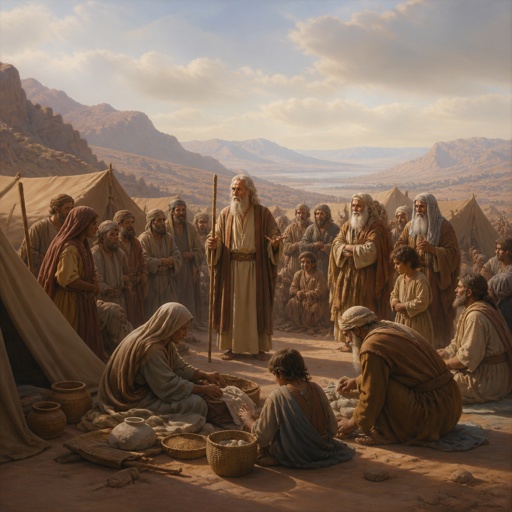
"And the children of Israel did according to all that the LORD commanded Moses, so did they." - Numbers 1:54
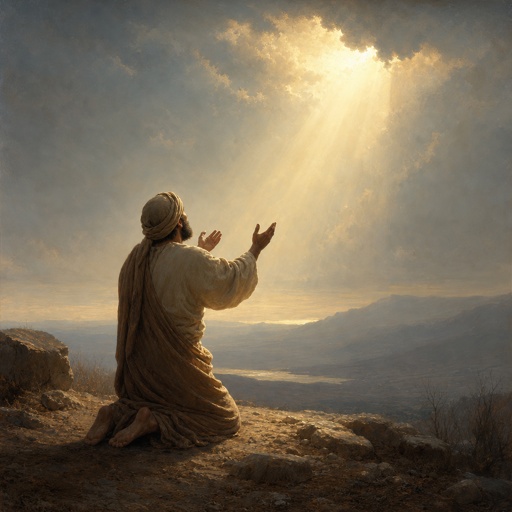
"Save me, O God, by thy name, and judge me by thy strength." - Psalms 54:1
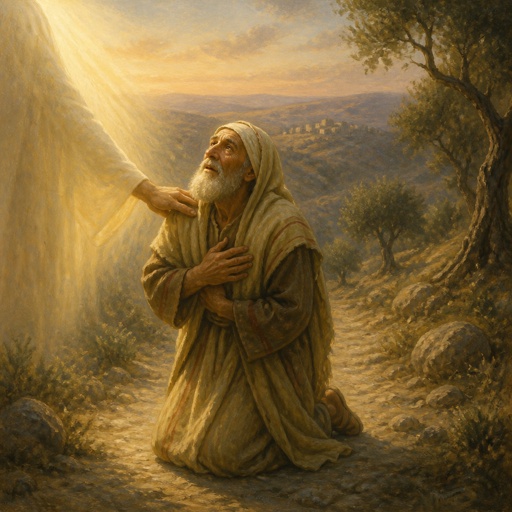
"He hath holpen his servant Israel, in remembrance of his mercy;" - Luke 1:54

1 Chronicles 1:1 - "Adam, Sheth, Enosh,"

1 Chronicles 1:24 - "¶ Shem, Arphaxad, Shelah,"

1 Chronicles 1:3 - "Henoch, Methuselah, Lamech,"

1 Chronicles 1:2 - "Kenan, Mahalaleel, Jered,"

Isaiah 54:1 - "Sing, O barren, thou that didst not bear; break forth into singing, and cry aloud, thou that didst not travail with child: for more are the children of the desolate than the children of the married wife, saith the LORD."

1 Chronicles 1:25 - "Eber, Peleg, Reu,"

1 Chronicles 1:26 - "Serug, Nahor, Terah,"

"Adam, Sheth, Enosh," - 1 Chronicles 1:1

"Eber, Peleg, Reu," - 1 Chronicles 1:25

"¶ Shem, Arphaxad, Shelah," - 1 Chronicles 1:24

1 Chronicles 15:4 - "And David assembled the children of Aaron, and the Levites:"

1 Chronicles 1:27 - "Abram; the same is Abraham."

1 Corinthians 15:54-55 - "When this corruptible body will put on incorruption, and this mortal body will put on immortality, then the saying that is written will happen: "Death is swallowed up in victory." "Death, where is your sting? Grave, where is your victory?""