The Sacredness of God’s Presence: Lessons from Uzza
“And the anger of the LORD was kindled against Uzza, and he smote him, because he put his hand to the ark: and there he died before God.” — 1 Chronicles 13:10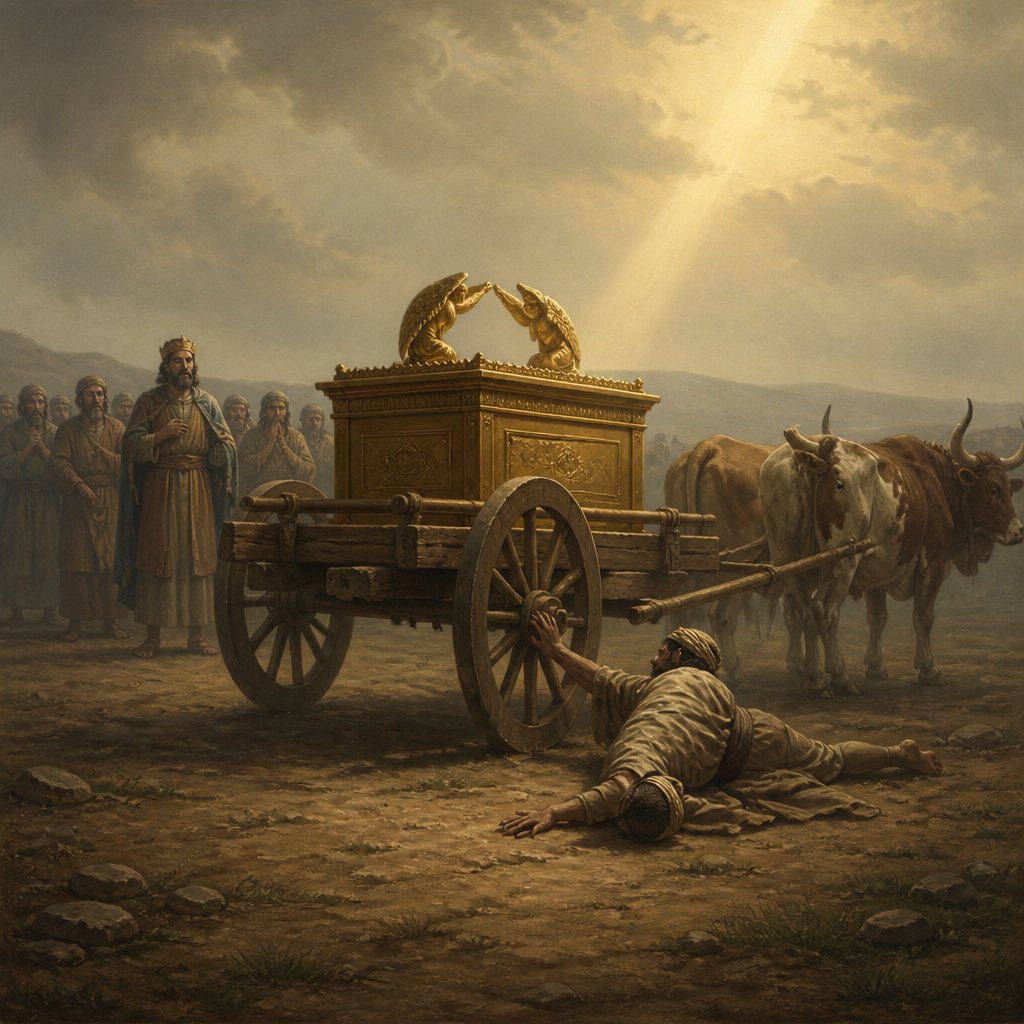
In the annals of Scripture, there are moments that serve as heavy reminders of the holiness of God and the reverence required in His presence. One such moment is recorded in 1 Chronicles 13:10, which reads: "And the anger of the LORD was kindled against Uzza, and he smote him, because he put his hand to the ark: and there he died before God." This verse raises numerous questions about God’s character, His standards of holiness, and our approach to His divine presence.
The context of this story is deeply important. King David, after ascending to the throne, desired to bring the Ark of the Covenant to Jerusalem. The Ark represented God’s presence among His people and was the center of worship for Israel. However, in their eagerness to celebrate God’s presence, David and his men neglected the specific instructions that God had given regarding the transport of the Ark. The Ark was to be carried on the shoulders of the Levites, and only they were permitted to handle it. When the oxen pulling the cart stumbled, Uzza reached out to steady the Ark, and in that moment, he suffered a tragic death.
This account brings forward the reality that God’s holiness is a matter of life and death, both physically and spiritually. Uzza's immediate punishment might seem harsh to us in our contemporary context, where grace abounds. However, it serves to remind us of the seriousness with which God regards His instructions. God is not capricious; His holiness must be honored. This incident can be seen as a necessary proclamation of the vital need for God’s people to understand the boundaries set by Him.
1 Chronicles 13:10 serves as a sobering reflection on humanity’s often casual approach towards the sacred. In our modern worship practices, it is easy to overlook the holiness of God in favor of accessibility and familiarity. We might readily embrace the loving, forgiving nature of God, but it is crucial to hold in balance the truth that He is also ‘a consuming fire’ (Hebrews 12:29). Uzza's error was not one of malicious intent, but a presumption that he could approach God’s holy presence casually. It warns against the trivialization of God’s commands and the seriousness of offending His holiness.
This scripture invites us to assess our own approach to God. Are we treating worship and our relationship with Him with the gravity that it deserves? In an age where personal preferences often replace divine directives, we must come back to the basics of reverence, humility, and obedience. Uzza’s death was a consequence of misplaced sincerity; he sought to do what he thought was right but failed to recognize that the method of approaching God's presence mattered.
The story of Uzza also encompasses the theme of grace. While grace is not overtly mentioned in this narrative, it unfolds in the broader context of God's plan for redemption through Jesus Christ. Jesus serves as our mediator, the one who bridges the gap between sinful humanity and a holy God. Through Him, we have access to the Father, yet this accessibility does not diminish God's holiness. Instead, we are called to come boldly yet reverently before Him (Hebrews 4:16).
As you reflect on Uzza’s story, consider how you can honor God’s presence in your life. Are there areas where you might be treating sacred things as common? How can you cultivate a heart of reverence in your worship and daily life? Let this account remind you that while God’s love is vast and welcoming, His holiness remains a profound reality. May we all strive to approach our Holy God with the respect, honor, and reverence He deserves.
Get our apps


Artwork for 1 Chronicles 13:10

1 Chronicles 13:10 - "And the anger of the LORD was kindled against Uzza, and he smote him, because he put his hand to the ark: and there he died before God."
"And the anger of the LORD was kindled against Uzza, and he smote him, because he put his hand to the ark: and there he died before God." - 1 Chronicles 13:10

1 Chronicles 10:13 - "¶ So Saul died for his transgression which he committed against the LORD, even against the word of the LORD, which he kept not, and also for asking counsel of one that had a familiar spirit, to enquire of it;"

2 Chronicles 10:13 - "And the king answered them roughly; and king Rehoboam forsook the counsel of the old men,"

1 Chronicles 1:13 - "And Canaan begat Zidon his firstborn, and Heth,"

1 Chronicles 13:1 - "And David consulted with the captains of thousands and hundreds, and with every leader."

1 Chronicles 4 : 10

1 Chronicles 24:13 - "The thirteenth to Huppah, the fourteenth to Jeshebeab,"

1 Chronicles 12:13 - "Jeremiah the tenth, Machbanai the eleventh."

1 Chronicles 10:10 - "And they put his armour in the house of their gods, and fastened his head in the temple of Dagon."

1 Chronicles 9:10 - "¶ And of the priests; Jedaiah, and Jehoiarib, and Jachin,"

1 Chronicles 1:10 - "And Cush begat Nimrod: he began to be mighty upon the earth."

1 Chronicles 12:10 - "Mishmannah the fourth, Jeremiah the fifth,"

1 Chronicles 24:10 - "The seventh to Hakkoz, the eighth to Abijah,"

1 Chronicles 6:13 - "And Shallum begat Hilkiah, and Hilkiah begat Azariah,"

1 Corinthians 10:13

1 Corinthians 10:13

1 Corinthians 10:13

1 Chronicles 13:13 - "So David brought not the ark home to himself to the city of David, but carried it aside into the house of Obed-edom the Gittite."

Mark 10:13–16

1 Chronicles 4:13 - "And the sons of Kenaz; Othniel, and Seraiah: and the sons of Othniel; Hathath."

1 Chronicles 14:13 - "And the Philistines yet again spread themselves abroad in the valley."

1 Chronicles 7:13 - "¶ The sons of Naphtali; Jahziel, and Guni, and Jezer, and Shallum, the sons of Bilhah."

Combine the authority theme described in Romans 13:1-7 and Revelation 13:1-10.
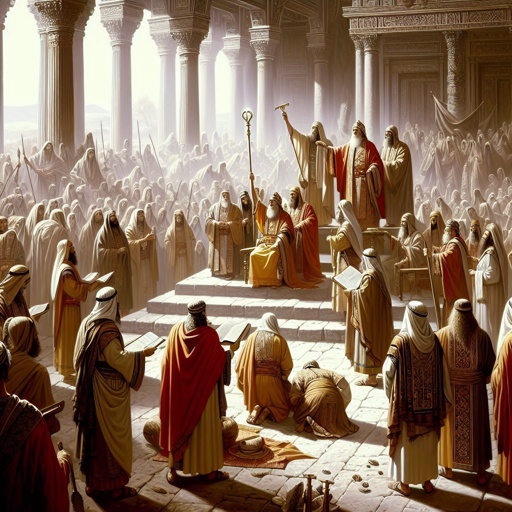
2 Chronicles 13:10 - "But as for us, the LORD is our God, and we have not forsaken him; and the priests, which minister unto the LORD, are the sons of Aaron, and the Levites wait upon their business:"

1 Chronicles 25:13 - "The sixth to Bukkiah, he, his sons, and his brethren, were twelve:"

1 Chronicles 3:13 - "Ahaz his son, Hezekiah his son, Manasseh his son,"

1 Chronicles 2:13 - "¶ And Jesse begat his firstborn Eliab, and Abinadab the second, and Shimma the third,"

1 Chronicles 15:10 - "Of the sons of Uzziel; Amminadab the chief, and his brethren an hundred and twelve."

1 Chronicles 8:10 - "And Jeuz, and Shachia, and Mirma. These were his sons, heads of the fathers."