What does 1 Chronicles 13:10 mean?
“And the anger of the LORD was kindled against Uzza, and he smote him, because he put his hand to the ark: and there he died before God.” — 1 Chronicles 13:10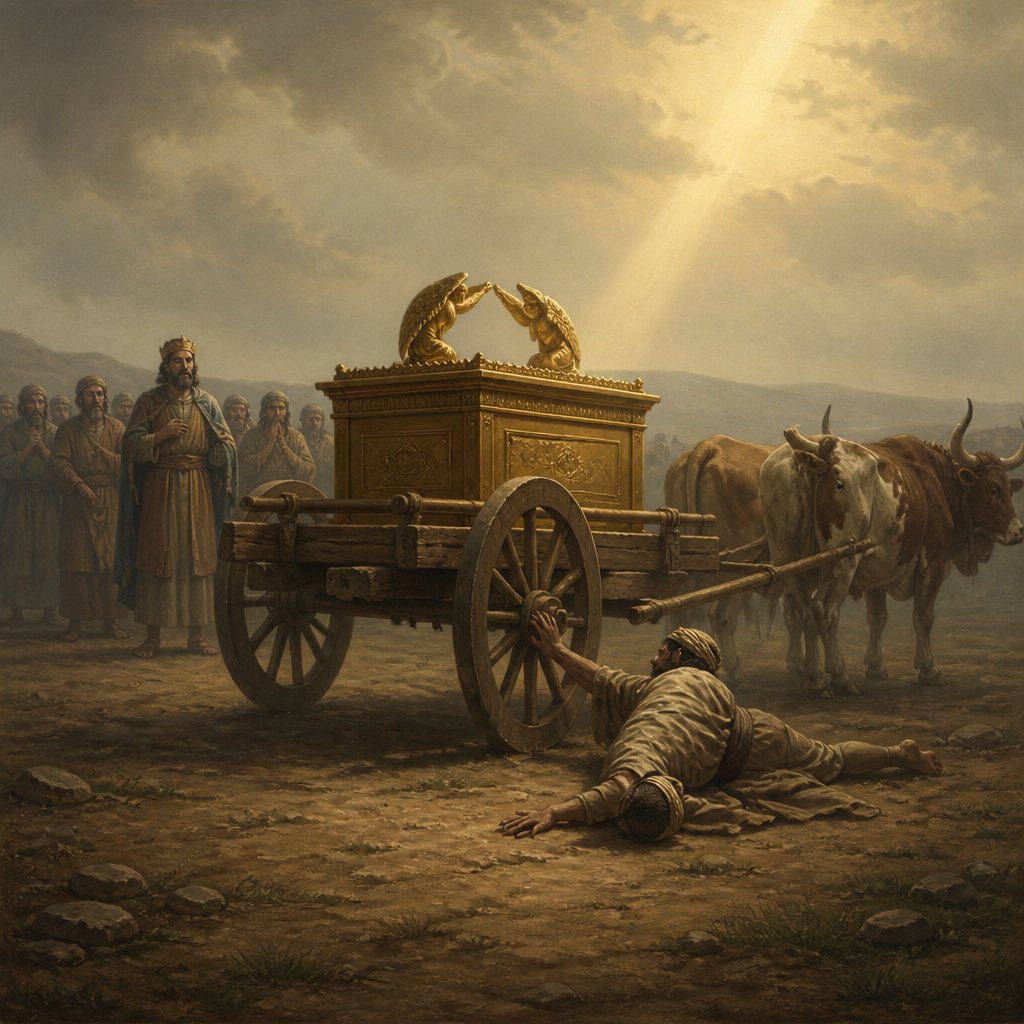
The verse 1 Chronicles 13:10 from the King James Version (KJV) reads: "And the anger of the Lord was kindled against Uzza, and he smote him, because he put his hand to the ark: and there he died before God."
This verse comes from the Old Testament and is part of the narrative about King David's attempt to bring the Ark of the Covenant to Jerusalem. This event is significant in the history of Israel and carries several important themes and lessons, some of which are discussed below.
First and foremost, this verse highlights the holiness and reverence that the people of Israel were to have towards the Ark of the Covenant. The Ark was considered the dwelling place of God's presence among the Israelites, and it represented the covenant relationship between God and his people. Therefore, any improper or irreverent handling of the Ark was a serious offense in the eyes of God. In this particular case, Uzza made the mistake of reaching out to stabilize the Ark when the oxen stumbled, and as a result, he was struck down by the Lord. This incident serves as a stark reminder of the importance of approaching God with fear and humility, as well as the consequences of failing to do so.
At a broader level, this verse also speaks to the theme of God's sovereignty and the consequences of disobedience. Uzza's actions were in direct violation of God's explicit commands regarding the handling of the Ark, and his death serves as a sobering reminder of the severity of divine judgment. This theme underscores the idea that God's authority is absolute and that his people are called to submit to his will without question. The story of Uzza's death also serves as a cautionary tale, warning against the dangers of presuming upon God and treating him casually or carelessly.
In addition to these themes, the verse also carries a symbolic significance within the larger biblical narrative. Uzza's death can be seen as a foreshadowing of the atonement provided by Jesus Christ in the New Testament. Just as Uzza's sin brought about his death, so too does the sin of humanity lead to spiritual death and separation from God. However, through the sacrifice of Christ on the cross, God's judgment is satisfied, and reconciliation with him becomes possible. In this way, Uzza's death serves as a poignant illustration of the severity of sin and the need for atonement, ultimately pointing forward to the redemptive work of Jesus.
In terms of its broader context, this verse is situated within the larger narrative of King David's reign and his efforts to establish Jerusalem as the religious and political center of Israel. The Ark of the Covenant held great significance for David, as it symbolized God's presence and favor. By attempting to bring the Ark to Jerusalem, David sought to consolidate his rule and demonstrate his commitment to honoring God. However, the incident with Uzza serves as a humbling reminder that even the most well-intentioned efforts can go awry if they are not carried out in accordance with God's will.
In conclusion, 1 Chronicles 13:10 is a verse that carries profound theological and moral implications. It underscores the holiness of God and the importance of approaching him with reverence and humility. It also serves as a reminder of the severity of divine judgment and the consequences of disobedience. Furthermore, the verse carries a symbolic weight, pointing towards the redemptive work of Christ. Within the larger context of King David's reign, this incident serves as a cautionary tale about the dangers of presuming upon God and the necessity of aligning one's actions with his will. As such, this verse continues to offer valuable insights and lessons for readers today.
Get our apps


Artwork for 1 Chronicles 13:10

1 Chronicles 13:10 - "And the anger of the LORD was kindled against Uzza, and he smote him, because he put his hand to the ark: and there he died before God."
"And the anger of the LORD was kindled against Uzza, and he smote him, because he put his hand to the ark: and there he died before God." - 1 Chronicles 13:10

1 Chronicles 10:13 - "¶ So Saul died for his transgression which he committed against the LORD, even against the word of the LORD, which he kept not, and also for asking counsel of one that had a familiar spirit, to enquire of it;"

2 Chronicles 10:13 - "And the king answered them roughly; and king Rehoboam forsook the counsel of the old men,"

1 Chronicles 1:13 - "And Canaan begat Zidon his firstborn, and Heth,"

1 Chronicles 13:1 - "And David consulted with the captains of thousands and hundreds, and with every leader."

1 Chronicles 4 : 10

1 Chronicles 24:13 - "The thirteenth to Huppah, the fourteenth to Jeshebeab,"

1 Chronicles 12:13 - "Jeremiah the tenth, Machbanai the eleventh."

1 Chronicles 10:10 - "And they put his armour in the house of their gods, and fastened his head in the temple of Dagon."

1 Chronicles 9:10 - "¶ And of the priests; Jedaiah, and Jehoiarib, and Jachin,"

1 Chronicles 1:10 - "And Cush begat Nimrod: he began to be mighty upon the earth."

1 Chronicles 12:10 - "Mishmannah the fourth, Jeremiah the fifth,"

1 Chronicles 24:10 - "The seventh to Hakkoz, the eighth to Abijah,"

1 Chronicles 6:13 - "And Shallum begat Hilkiah, and Hilkiah begat Azariah,"

1 Corinthians 10:13

1 Corinthians 10:13

1 Corinthians 10:13

1 Chronicles 13:13 - "So David brought not the ark home to himself to the city of David, but carried it aside into the house of Obed-edom the Gittite."

Mark 10:13–16

1 Chronicles 4:13 - "And the sons of Kenaz; Othniel, and Seraiah: and the sons of Othniel; Hathath."

1 Chronicles 14:13 - "And the Philistines yet again spread themselves abroad in the valley."

1 Chronicles 7:13 - "¶ The sons of Naphtali; Jahziel, and Guni, and Jezer, and Shallum, the sons of Bilhah."

Combine the authority theme described in Romans 13:1-7 and Revelation 13:1-10.
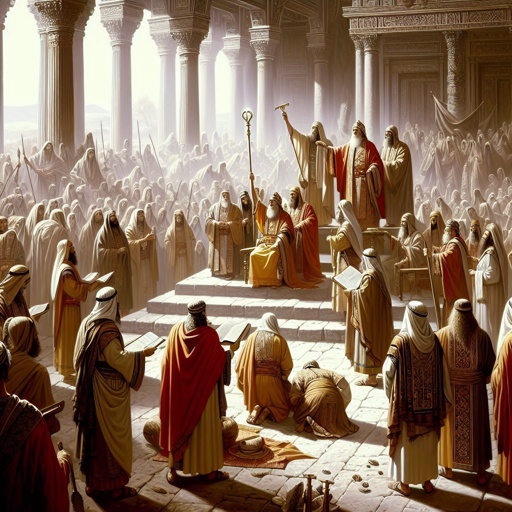
2 Chronicles 13:10 - "But as for us, the LORD is our God, and we have not forsaken him; and the priests, which minister unto the LORD, are the sons of Aaron, and the Levites wait upon their business:"

1 Chronicles 25:13 - "The sixth to Bukkiah, he, his sons, and his brethren, were twelve:"

1 Chronicles 3:13 - "Ahaz his son, Hezekiah his son, Manasseh his son,"

1 Chronicles 2:13 - "¶ And Jesse begat his firstborn Eliab, and Abinadab the second, and Shimma the third,"

1 Chronicles 15:10 - "Of the sons of Uzziel; Amminadab the chief, and his brethren an hundred and twelve."

1 Chronicles 8:10 - "And Jeuz, and Shachia, and Mirma. These were his sons, heads of the fathers."