The Heart of a Servant: Honoring God in Humility
“What can David speak more to thee for the honour of thy servant? for thou knowest thy servant.” — 1 Chronicles 17:18
In the grand narrative of King David’s life, we find a pivotal moment captured in 1 Chronicles 17:18, encapsulated in the words: "What can David speak more to thee for the honour of thy servant? for thou knowest thy servant." This profound statement leads us into the heart of David’s relationship with God, showcasing profound humility and reverence. Today, as we reflect on this verse, we are called to explore our own posture towards God and to recollect the greatness of His grace in acknowledging us as His servants.
David, a man after God’s own heart, was acutely aware of the weight of the honor he received from God. In this particular moment, following God’s revelation of His covenant with David, we see a king stripped of pride and nestled in humility. Here, he is not merely seeking God for gifts, blessings, or victories over his enemies but is grappling with the weight of God’s promises and the privilege of being chosen. The honor bestowed upon him is not seen through the lens of personal gain but rather as a solemn responsibility. David’s question implies a deep understanding of God’s omniscience—"for thou knowest thy servant." How remarkable it is to reflect on the reality that God knows us intimately, far beyond our public personas or achievements.
This knowledge brings us face to face with humility. In a world that often champions self-promotion, where accolades and achievements are the currency of success, David’s reaction reminds us that true honor in the sight of God does not arise from our efforts or status but from our identity as His servants. David doesn’t seek to justify himself or repeatedly recount his merits; instead, he simply recognizes that the greatest honor is being known and chosen by God. This revelation should prompt each of us to pause and consider the profound implications of being known by God. It speaks to our value and worth—not because of what we have done, but because of who He is.
In the life of David, we also see an invitation for all believers to approach God with similar humility. The world often entices us to present a perfect image, to project confidence at all costs. Yet, David invites us into an honest dialogue with the Almighty—one where we can express our weaknesses, fears, and expectations. When we recognize our position as servants, we can embrace vulnerability without fear of shame. We can approach God not just with our requests but with hearts that desire to honor Him in all we do.
As we meditate on David’s words, we must also reflect on how we respond to God’s honor in our lives. Are we, like David, compelled to speak with gratitude and acknowledgment of His sovereignty and grace? Or do we sometimes slip into a posture of entitlement, forgetting that every good gift comes from above? In being chosen to serve, we are not merely recipients but conduits of His grace and love to the world. How we react to His choosing can either glorify Him or detract from His glory.
Moreover, let us consider how we, as God’s servants in our day-to-day life, honor Him through our words and actions. David's life exemplified worship beyond the temple; he lived it in every facet of his being. Similarly, we must strive to embody our service to God through our thoughts, interactions, and commitments.
In conclusion, the question David posed in 1 Chronicles 17:18 is a powerful reminder of our identity as beloved servants of God. It beckons us toward a posture of humility and dependence, a life lived in gratitude for the honor of being known and chosen. As we navigate our own journeys, may we continually reflect on how we can honor God not only with our words and prayers but through our everyday actions. Let us walk in the humility of David, recognizing that being chosen by God is the greatest honor we could ever receive, calling us to a life of service that glorifies Him above all.
Get our apps


Artwork for 1 Chronicles 17:18

1 Chronicles 17:18 - "What can David speak more to thee for the honour of thy servant? for thou knowest thy servant."

"What can David speak more to thee for the honour of thy servant? for thou knowest thy servant." - 1 Chronicles 17:18

1 Chronicles 18:17 - "And Benaiah the son of Jehoiada was over the Cherethites and the Pelethites; and the sons of David were chief about the king."

2 Chronicles 17:18 - "And next him was Jehozabad, and with him an hundred and fourscore thousand ready prepared for the war."

"And Benaiah the son of Jehoiada was over the Cherethites and the Pelethites; and the sons of David were chief about the king." - 1 Chronicles 18:17

1 Chronicles 1:18 - "And Arphaxad begat Shelah, and Shelah begat Eber."

2 Chronicles 18:17 - "And the king of Israel said to Jehoshaphat, Did I not tell thee that he would not prophesy good unto me, but evil?"

1 Chronicles 23:18 - "Of the sons of Izhar; Shelomith the chief."

1 Chronicles 8:17 - "And Zebadiah, and Meshullam, and Hezeki, and Heber,"

1 Chronicles 6:17 - "And these be the names of the sons of Gershom; Libni, and Shimei."
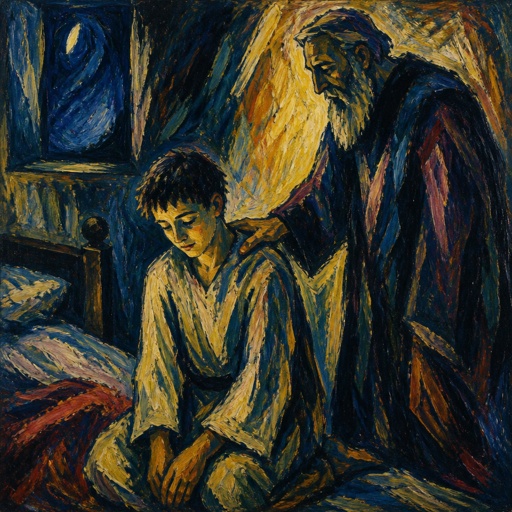
1 Samuel 3:17-18

1 Chronicles 27:17 - "Of the Levites, Hashabiah the son of Kemuel: of the Aaronites, Zadok:"

1 Chronicles 3:17 - "¶ And the sons of Jeconiah; Assir, Salathiel his son,"

1 Chronicles 8:18 - "Ishmerai also, and Jezliah, and Jobab, the sons of Elpaal;"

1 Chronicles 24:18 - "The three and twentieth to Delaiah, the four and twentieth to Maaziah."

1 Chronicles 26:18 - "At Parbar westward, four at the causeway, and two at Parbar."

1 Chronicles 24:17 - "The one and twentieth to Jachin, the two and twentieth to Gamul,"

1 Esdras 1:17-18 (KJVA) 17 Thus were the things that belonged to the sacrifices of the Lord accomplished in that day, that they might hold the passover, 18 And offer sacrifices upon the altar of the Lord, according to the commandment of king Josias.

1 Esdras 1:17-18 (KJVA) 17 Thus were the things that belonged to the sacrifices of the Lord accomplished in that day, that they might hold the passover, 18 And offer sacrifices upon the altar of the Lord, according to the commandment of king Josias.

1 Chronicles 3:18 - "Malchiram also, and Pedaiah, and Shenazar, Jecamiah, Hoshama, and Nedabiah."

1 Chronicles 7:18 - "And his sister Hammoleketh bare Ishod, and Abiezer, and Mahalah."

1 Chronicles 1:17 - "¶ The sons of Shem; Elam, and Asshur, and Arphaxad, and Lud, and Aram, and Uz, and Hul, and Gether, and Meshech."

1 Chronicles 6:18 - "And the sons of Kohath were, Amram, and Izhar, and Hebron, and Uzziel."

1 Chronicles 2:17 - "And Abigail bare Amasa: and the father of Amasa was Jether the Ishmeelite."

1 Chronicles 16:17 - "And hath confirmed the same to Jacob for a law, and to Israel for an everlasting covenant,"

1 Chronicles 25:17 - "The tenth to Shimei, he, his sons, and his brethren, were twelve:"

1 Chronicles 27:18 - "Of Judah, Elihu, one of the brethren of David: of Issachar, Omri the son of Michael:"

1 Chronicles 25:18 - "The eleventh to Azareel, he, his sons, and his brethren, were twelve:"

2 Chronicles 18:1 - "Now Jehoshaphat had riches and honour in abundance, and joined affinity with Ahab."

1 Chronicles 18:2 - "And he smote Moab; and the Moabites became David's servants, and brought gifts."