The Legacy of the Levites: Reflections on 1 Chronicles 24:30
“The sons also of Mushi; Mahli, and Eder, and Jerimoth. These were the sons of the Levites after the house of their fathers.” — 1 Chronicles 24:30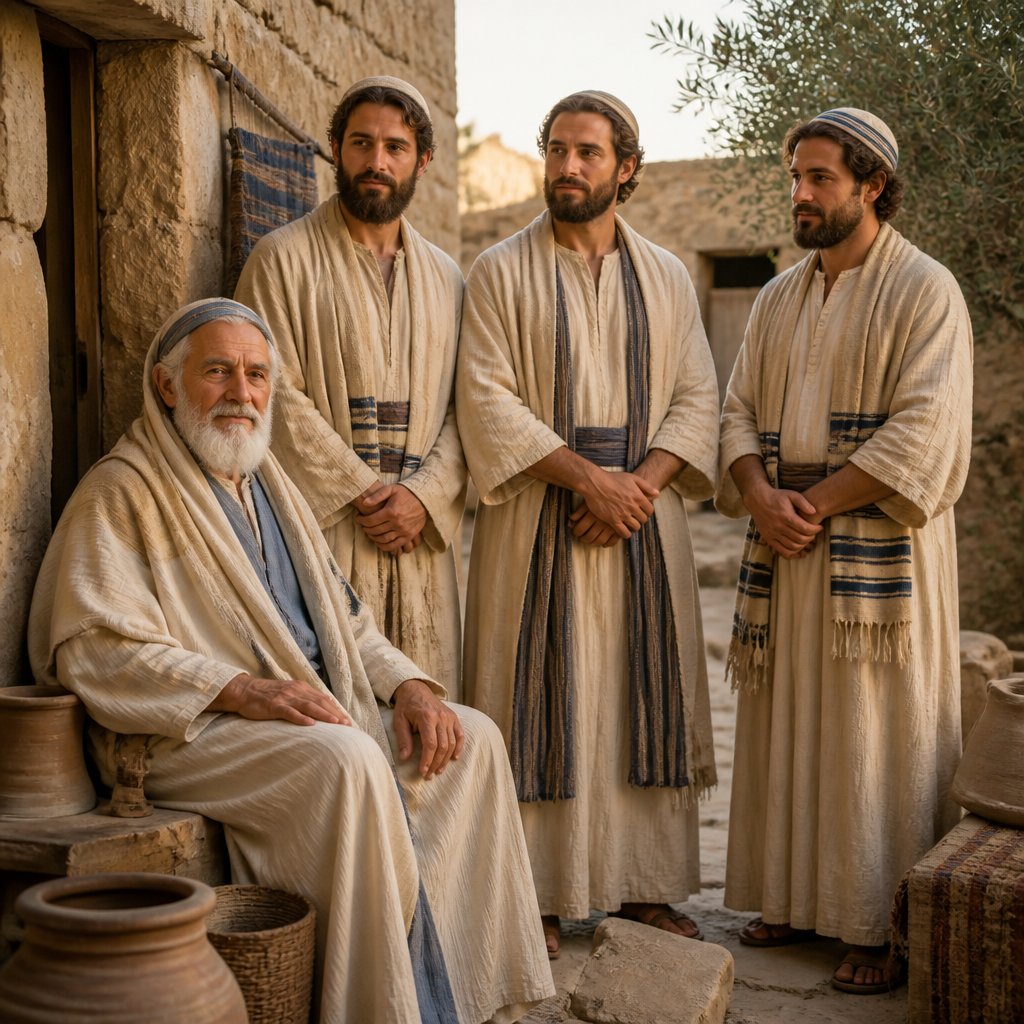
In our journey through the Bible, we often encounter passages that might seem tedious or uninviting at first glance, especially those that contain genealogies or lists of names, as seen in 1 Chronicles 24:30: "The sons also of Mushi; Mahli, and Eder, and Jerimoth. These were the sons of the Levites after the house of their fathers."
At first glance, this verse appears to be a simple recording of lineage, a mere formality that documents a distant heritage. However, it holds profound spiritual significance and serves as a reminder of a legacy that is crucial for understanding God’s workings throughout history and in our lives today.
The Levites, the descendants of Levi, were chosen by God for a special purpose: to serve in the temple, offer sacrifices, and lead the people in worship. Their role was critical, as they were the ones who maintained the sanctity of spiritual practices and were responsible for the sacredness of Israel's worship. Just as the Levites had a sacred calling, so too do we as believers in Christ. Each of us is called to serve in various capacities, using our unique gifts and life experiences to glorify God.
The mention of Mushi and his sons—Mahli, Eder, and Jerimoth—reminds us that God is not just the God of nations, but also the God of families. The transition from fathers to sons signifies inheritance, both of physical lineage and spiritual heritage. Each son represents continuity and an unbroken chain that links generations together, showcasing that the commitment to worship and serve God transcends time.
As we reflect on our own family trees, we recognize that every family carries a divine calling and responsibility. The legacy we pass down to our children goes beyond material possessions or earthly achievements; it includes our faith, values, and dedication to the Lord. How are we working to cultivate a spiritual inheritance? Are we intentionally teaching our children the ways of the Lord? Are we setting an example of faithfulness and service in our lives? This verse prompts us to consider how we are building a legacy of faith that can influence future generations.
Moreover, the specificity of the names listed also highlights the importance of individual roles within a community. Each name, each individual within the Levite clan, played a role in the larger tapestry of God’s plan. Similarly, in the body of Christ, we are all given unique gifts and callings that contribute to the overall mission of spreading the Gospel and serving our community. It is imperative that we recognize and embrace our individual roles within the church to fulfill our collective purpose.
Additionally, the Levites were not just descendants of priests but also leaders and worshippers chosen for their purity and dedication. They devoted their lives to the ministry, drawing near to God on behalf of the Israelites. This calls us to reflect on our own devotion and commitment to God. Just as the Levites took their responsibilities seriously, we too must pursue holiness and strive to live lives pleasing to God. Are we willing to set aside our distractions to wholeheartedly serve Him? Are we prioritizing our relationship with God above other commitments?
In conclusion, while 1 Chronicles 24:30 may introduce us to the names of Mushi's sons, it unveils a deeper narrative about legacy, family, and service that reverberates through generations. It invites us to introspect and engage with the call of God in our lives and the lives of those who will come after us. Let us honor our spiritual ancestors by committing ourselves to our divine calling, ensuring that the legacy of faith remains alive and vibrant, just as it did with the Levites.
Get our apps


Artwork for 1 Chronicles 24:30

1 Chronicles 24:30 - "The sons also of Mushi; Mahli, and Eder, and Jerimoth. These were the sons of the Levites after the house of their fathers."
"The sons also of Mushi; Mahli, and Eder, and Jerimoth. These were the sons of the Levites after the house of their fathers." - 1 Chronicles 24:30

Matthew 24:30-31

Matthew 24:30-31

Matthew 24:30-31

Matthew 24:30-31

Matthew 24:30-31

Matthew 24:30-31

Matthew 24:30-31

Matthew 24:30-31

Matthew 24:30-31

Matthew 24:30-31

1 Chronicles 1:30 - "Mishma, and Dumah, Massa, Hadad, and Tema,"

1 Chronicles 4:30 - "And at Bethuel, and at Hormah, and at Ziklag,"

1 Chronicles 24:24 - "Of the sons of Uzziel; Michah: of the sons of Michah; Shamir."

1 Chronicles 1:24 - "¶ Shem, Arphaxad, Shelah,"

1 Chronicles 11:30 - "Maharai the Netophathite, Heled the son of Baanah the Netophathite,"

1 Chronicles 9:30 - "And some of the sons of the priests made the ointment of the spices."

1 Chronicles 8:24 - "And Hananiah, and Elam, and Antothijah,"

1 Chronicles 24:15 - "The seventeenth to Hezir, the eighteenth to Aphses,"

1 Chronicles 24:16 - "The nineteenth to Pethahiah, the twentieth to Jehezekel,"

1 Chronicles 24:11 - "The ninth to Jeshua, the tenth to Shecaniah,"

1 Chronicles 23:30 - "And to stand every morning to thank and praise the LORD, and likewise at even;"

1 Chronicles 7:30 - "The sons of Asher; Imnah, and Isuah, and Ishuai, and Beriah, and Serah their sister."

1 Chronicles 8:30 - "And his firstborn son Abdon, and Zur, and Kish, and Baal, and Nadab,"

1 Chronicles 2:30 - "And the sons of Nadab; Seled, and Appaim: but Seled died without children."

1 Chronicles 24:14 - "The fifteenth to Bilgah, the sixteenth to Immer,"

1 Chronicles 24:9 - "The fifth to Malchijah, the sixth to Mijamin,"

1 Chronicles 24:13 - "The thirteenth to Huppah, the fourteenth to Jeshebeab,"

1 Chronicles 24:10 - "The seventh to Hakkoz, the eighth to Abijah,"