Generations of Grace: Lessons from the Family Tree
“And Shema begat Raham, the father of Jorkoam: and Rekem begat Shammai.” — 1 Chronicles 2:44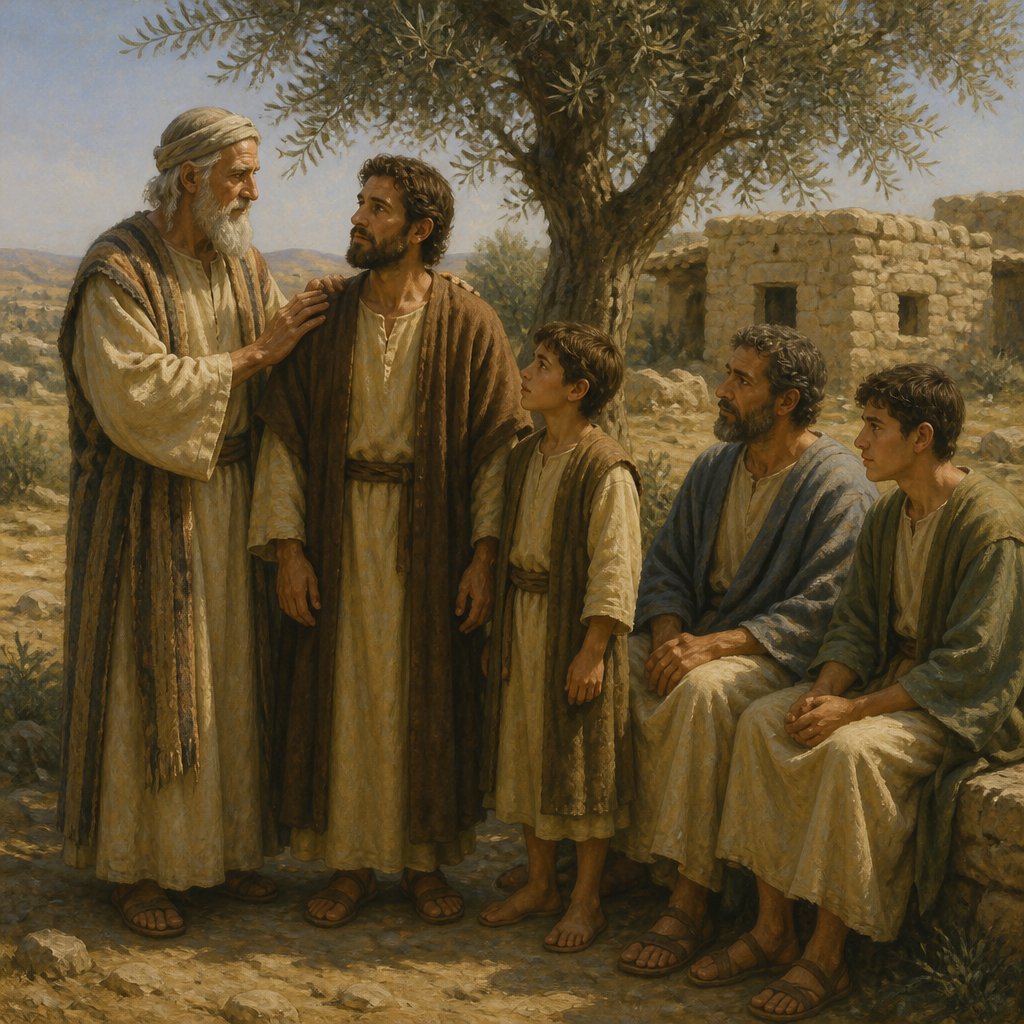
The tracing of family lines is a tradition present in many cultures; this hallmark of human experience reverberates through history and remains significant for believers today. In 1 Chronicles 2:44, we are introduced to a lesser-known family dynasty, stating, "And Shema begat Raham, the father of Jorkoam: and Rekem begat Shammai." Though this verse might appear as just another genealogical record amid the long list of names in the Chronicles, there is a deeper significance embedded within these generations that speaks to us about God’s purpose, legacy, and the power of faithful living.
As we delve into the verses preceding this passage, we notice God’s enduring action through generations. The book of Chronicles emphasizes the importance of lineage, particularly of the tribes of Israel, illustrating how God sowed His purpose through bloodlines. The names presented are not just historical figures; they represent lives, legacies, and the unfolding of God's redemptive plan through a chosen people.
Shema, Raham, Jorkoam, Rekem, and Shammai - each name bears not only personal significance but embodies an ancestral role that connects to the divine narrative. Just as genealogies provided a means for the Israelites to understand their identity in relation to God, we are invited to recognize our spiritual genealogy—the lineage of faith that extends back to the cornerstone of our belief. In Christ, we are all descendants of a promise, grafted into a family that spans beyond earthly ties.
The names also serve as poignant reminders of the small beginnings that can yield great transformations. Raham, the father of Jorkoam, suggests roots in a familial responsibility; he represents the character of nurturing, and transmitting values across generations. Though we might often overlook the quiet figures of our history, it is vital to remember that every individual plays a part in the broader tapestry of life. This is encouraging for those of us who may feel insignificant or invisible in our own narratives.
Moreover, when we contemplate our own family trees, we recognize an opportunity to reflect on how we bear witness to faith in our families. Like Shema and Rekem, we are called to instill values in our children and communities, crafting a legacy that points towards Christ.
In today's world, amidst chaos and fragmentation in families, God calls us to be the architects of His kingdom through our homes. We can learn from the patterns of commitment shown in these verses. It challenges believers to evaluate what we are passing down to future generations: knowledge of God, principles of faith, or perhaps, the sense of community and love present in a Christ-centered life. Each family is a conduit for God's grace and truth.
Additionally, we find encouragement in the brevity of the text. This single verse transforms our understanding of the mundane into the miraculous. Our lives, like the weekly cycles of planting and harvesting, may seem slow or inconsequential, yet they lead to profound impacts over time. Calling out the names of those who have gone before us inspires a continuity of faith—a thread of trust we can build upon as we seek to play our own roles faithfully.
As we meditate on this lineage, we see that every name has a story, and each story a purpose within God’s sovereign plan. Though the road may be winding, amid trials or triumphs, we press forward, keeping our eyes on Jesus, the ultimate source of our faith, encouraging ourselves to go deeper into relationship with God and our families. To honor our lineage means to embrace the call to faithfully carry the torch of faith lit by those before us.
May we embrace this legacy of grace with gratitude, as we weave our own stories into that great family of believers, determined to leave behind a spiritual inheritance that echoes the love and fidelity of our Lord.
Get our apps


Artwork for 1 Chronicles 2:44

1 Chronicles 2:44 - "And Shema begat Raham, the father of Jorkoam: and Rekem begat Shammai."
"And Shema begat Raham, the father of Jorkoam: and Rekem begat Shammai." - 1 Chronicles 2:44

1 Chronicles 1:44 - "And when Bela was dead, Jobab the son of Zerah of Bozrah reigned in his stead."

1 Chronicles 11:44 - "Uzzia the Ashterathite, Shama and Jehiel the sons of Hothan the Aroerite,"
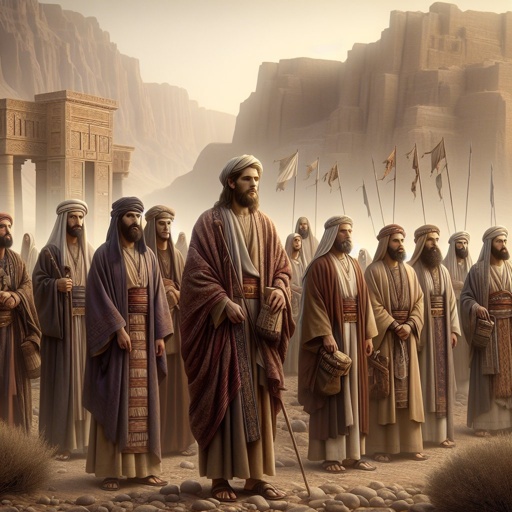
1 Chronicles 6:44 - "And their brethren the sons of Merari stood on the left hand: Ethan the son of Kishi, the son of Abdi, the son of Malluch,"

1 Chronicles 9:44 - "And Azel had six sons, whose names are these, Azrikam, Bocheru, and Ishmael, and Sheariah, and Obadiah, and Hanan: these were the sons of Azel."
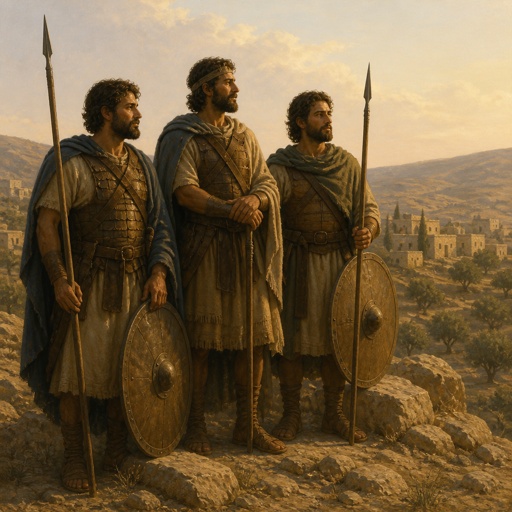
"Uzzia the Ashterathite, Shama and Jehiel the sons of Hothan the Aroerite," - 1 Chronicles 11:44
"And when Bela was dead, Jobab the son of Zerah of Bozrah reigned in his stead." - 1 Chronicles 1:44

Acts 2:44 - "And all that believed were together, and had all things common;"

1 Chronicles 2:48 - "Maachah, Caleb's concubine, bare Sheber, and Tirhanah."

1 Chronicles 2:8 - "And the sons of Ethan; Azariah."

1 Chronicles 2:38 - "And Obed begat Jehu, and Jehu begat Azariah,"

1 Chronicles 2:41 - "And Shallum begat Jekamiah, and Jekamiah begat Elishama."

1 Chronicles 2:36 - "And Attai begat Nathan, and Nathan begat Zabad,"

1 Chronicles 2:11 - "And Nahshon begat Salma, and Salma begat Boaz,"

1 Chronicles 2:39 - "And Azariah begat Helez, and Helez begat Eleasah,"

1 Chronicles 2:15 - "Ozem the sixth, David the seventh:"

1 Chronicles 2:14 - "Nethaneel the fourth, Raddai the fifth,"

1 Chronicles 2:5 - "The sons of Pharez; Hezron, and Hamul."

1 Chronicles 1:2 - "Kenan, Mahalaleel, Jered,"

1 Chronicles 2:2 - "Dan, Joseph, and Benjamin, Naphtali, Gad, and Asher."

1 Chronicles 2:20 - "And Hur begat Uri, and Uri begat Bezaleel."

1 Chronicles 2:40 - "And Eleasah begat Sisamai, and Sisamai begat Shallum,"

1 Chronicles 2:37 - "And Zabad begat Ephlal, and Ephlal begat Obed,"

1 Chronicles 2:12 - "And Boaz begat Obed, and Obed begat Jesse,"

"And the sons of Ethan; Azariah." - 1 Chronicles 2:8
"And their brethren the sons of Merari stood on the left hand: Ethan the son of Kishi, the son of Abdi, the son of Malluch," - 1 Chronicles 6:44

"Nethaneel the fourth, Raddai the fifth," - 1 Chronicles 2:14

Ezekiel 44 v 1

Ezekiel 44 v 1