What does 1 Chronicles 2:44 mean?
“And Shema begat Raham, the father of Jorkoam: and Rekem begat Shammai.” — 1 Chronicles 2:44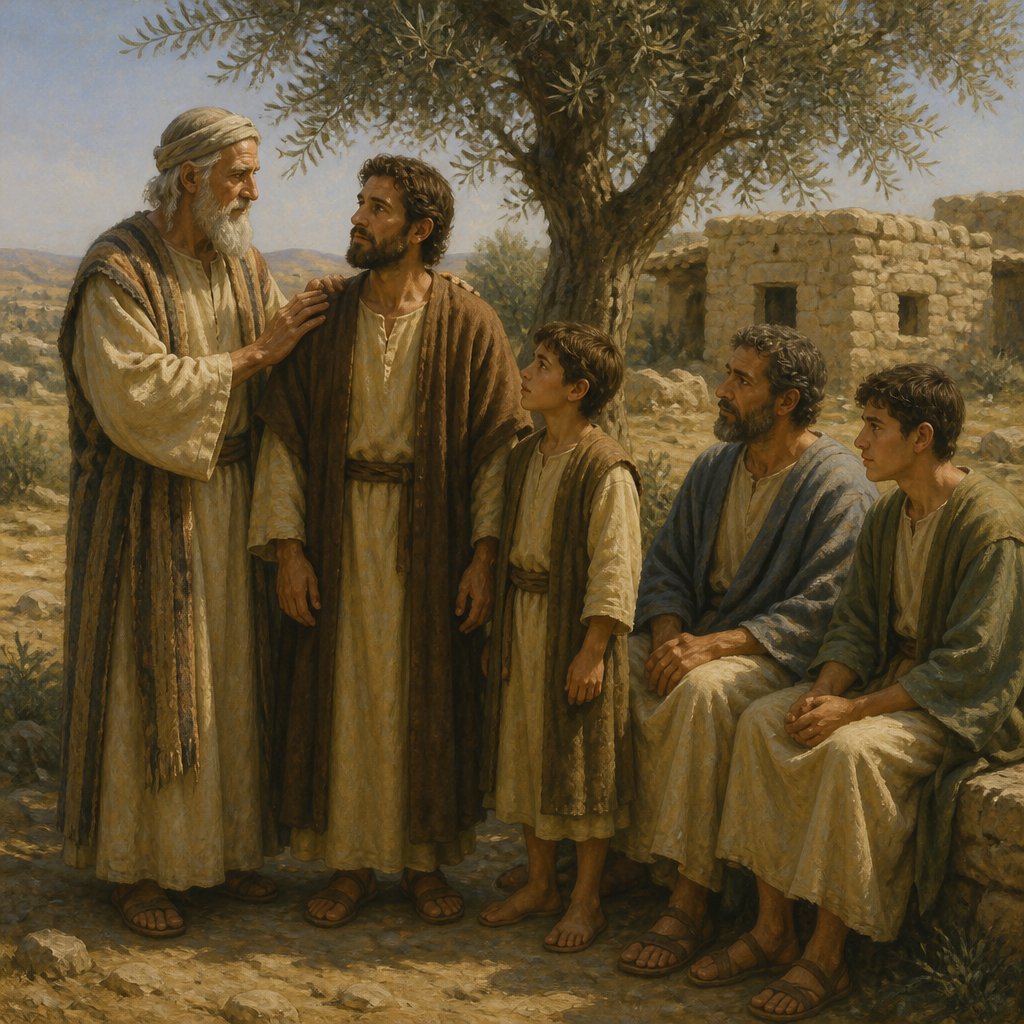
The verse 1 Chronicles 2:44 from the King James Version (KJV) reads: "And Shema begat Raham, the father of Jorkoam: and Rekem begat Shammai." At first glance, this verse may seem like a simple genealogical listing, but upon closer examination, it reveals much more about the themes of lineage, identity, and the importance of family throughout the biblical narrative.
1 Chronicles is a book of the Bible that is primarily focused on the genealogy of the people of Israel. The author, traditionally believed to be Ezra the scribe, sets out to trace the history of the Israelites from Adam to the time of the Babylonian exile. In doing so, the book emphasizes the importance of lineage and the covenant relationship between God and His chosen people. This verse, with its mention of Shema, Raham, Jorkoam, Rekem, and Shammai, is part of that genealogical record. It highlights the continuity of the Israelite line and the preservation of their heritage through the generations.
The act of begetting, as mentioned in this verse, is significant in biblical genealogy. It represents the passing down of family identity, inheritance, and blessing from one generation to the next. In a broader sense, it also reflects the idea of continuity and the ongoing fulfillment of God's promises. Each new generation serves as a link in the chain of God's redemptive plan, and this verse is a reminder of the importance of each individual within that larger narrative.
In addition to the theme of lineage, this verse also reflects the broader biblical motif of identity. The names mentioned in the verse are not just placeholders in a genealogical record, but they represent individuals with unique stories, experiences, and roles to play in the unfolding drama of salvation history. Many of these individuals may be relatively obscure figures in the biblical narrative, but their inclusion in the genealogy highlights their significance as part of God's larger plan. This serves as a reminder that God's work is often carried out through ordinary people, each with their own part to play in the grand story of redemption.
Another theme that can be drawn from this verse is the importance of family and community. The genealogy presented in 1 Chronicles is not just a record of individuals, but it also serves to emphasize the interconnectedness of the Israelite people. Family ties are crucial in the biblical narrative, and the mention of fathers and sons in this verse underscores the idea of a shared heritage and a collective identity. This emphasis on community and the larger family unit reflects the biblical value of mutual care, responsibility, and support among God's people.
The names mentioned in the verse also carry symbolic significance. In the biblical context, names often carry meaning and serve as markers of identity and destiny. For example, the name Shema can be translated as "fame" or "renown," while Raham means "compassionate" and Rekem may be connected to the idea of "compassion" or "support." These meanings can be seen as reflective of the qualities and roles of the individuals they represent within the genealogical line. Additionally, the repetition of certain letter sounds in the names (e.g., the "sh" and "r" in Shema, Raham, and Rekem) may also suggest a deeper connection between these individuals and their stories.
In conclusion, 1 Chronicles 2:44 is more than just a genealogical record. It is a reflection of the themes of lineage, identity, and the importance of family and community within the biblical narrative. The verse serves as a reminder of the interconnectedness of the Israelite people, the significance of each individual within the larger story of God's redemption, and the continuity of God's promises through the generations. It also highlights the symbolic and spiritual significance of names within the biblical context. Ultimately, this verse, like the rest of 1 Chronicles, points to the overarching narrative of God's faithfulness and the unfolding of His redemptive plan through His chosen people.
Get our apps


Artwork for 1 Chronicles 2:44

1 Chronicles 2:44 - "And Shema begat Raham, the father of Jorkoam: and Rekem begat Shammai."
"And Shema begat Raham, the father of Jorkoam: and Rekem begat Shammai." - 1 Chronicles 2:44

1 Chronicles 1:44 - "And when Bela was dead, Jobab the son of Zerah of Bozrah reigned in his stead."

1 Chronicles 11:44 - "Uzzia the Ashterathite, Shama and Jehiel the sons of Hothan the Aroerite,"
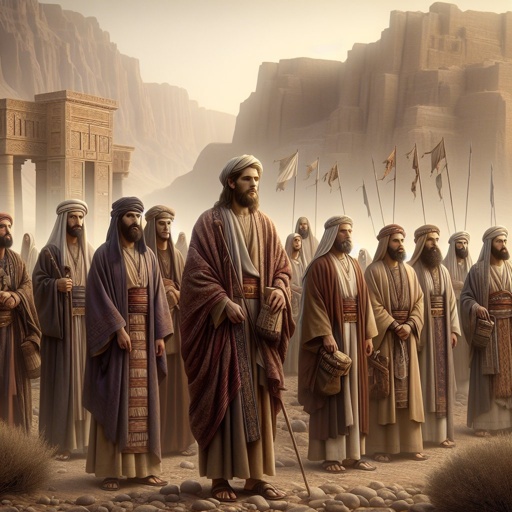
1 Chronicles 6:44 - "And their brethren the sons of Merari stood on the left hand: Ethan the son of Kishi, the son of Abdi, the son of Malluch,"

1 Chronicles 9:44 - "And Azel had six sons, whose names are these, Azrikam, Bocheru, and Ishmael, and Sheariah, and Obadiah, and Hanan: these were the sons of Azel."
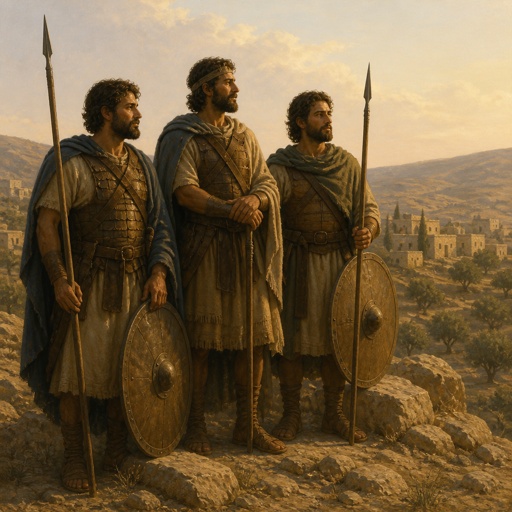
"Uzzia the Ashterathite, Shama and Jehiel the sons of Hothan the Aroerite," - 1 Chronicles 11:44
"And when Bela was dead, Jobab the son of Zerah of Bozrah reigned in his stead." - 1 Chronicles 1:44

Acts 2:44 - "And all that believed were together, and had all things common;"

1 Chronicles 2:48 - "Maachah, Caleb's concubine, bare Sheber, and Tirhanah."

1 Chronicles 2:8 - "And the sons of Ethan; Azariah."

1 Chronicles 2:38 - "And Obed begat Jehu, and Jehu begat Azariah,"

1 Chronicles 2:41 - "And Shallum begat Jekamiah, and Jekamiah begat Elishama."

1 Chronicles 2:36 - "And Attai begat Nathan, and Nathan begat Zabad,"

1 Chronicles 2:11 - "And Nahshon begat Salma, and Salma begat Boaz,"

1 Chronicles 2:39 - "And Azariah begat Helez, and Helez begat Eleasah,"

1 Chronicles 2:15 - "Ozem the sixth, David the seventh:"

1 Chronicles 2:14 - "Nethaneel the fourth, Raddai the fifth,"

1 Chronicles 2:5 - "The sons of Pharez; Hezron, and Hamul."

1 Chronicles 1:2 - "Kenan, Mahalaleel, Jered,"

1 Chronicles 2:2 - "Dan, Joseph, and Benjamin, Naphtali, Gad, and Asher."

1 Chronicles 2:20 - "And Hur begat Uri, and Uri begat Bezaleel."

1 Chronicles 2:40 - "And Eleasah begat Sisamai, and Sisamai begat Shallum,"

1 Chronicles 2:37 - "And Zabad begat Ephlal, and Ephlal begat Obed,"

1 Chronicles 2:12 - "And Boaz begat Obed, and Obed begat Jesse,"

"And the sons of Ethan; Azariah." - 1 Chronicles 2:8
"And their brethren the sons of Merari stood on the left hand: Ethan the son of Kishi, the son of Abdi, the son of Malluch," - 1 Chronicles 6:44

"Nethaneel the fourth, Raddai the fifth," - 1 Chronicles 2:14

Ezekiel 44 v 1

Ezekiel 44 v 1