The Generational Legacy: Lessons from Rehoboam
“And Solomon’s son was Rehoboam, Abia his son, Asa his son, Jehoshaphat his son,” — 1 Chronicles 3:10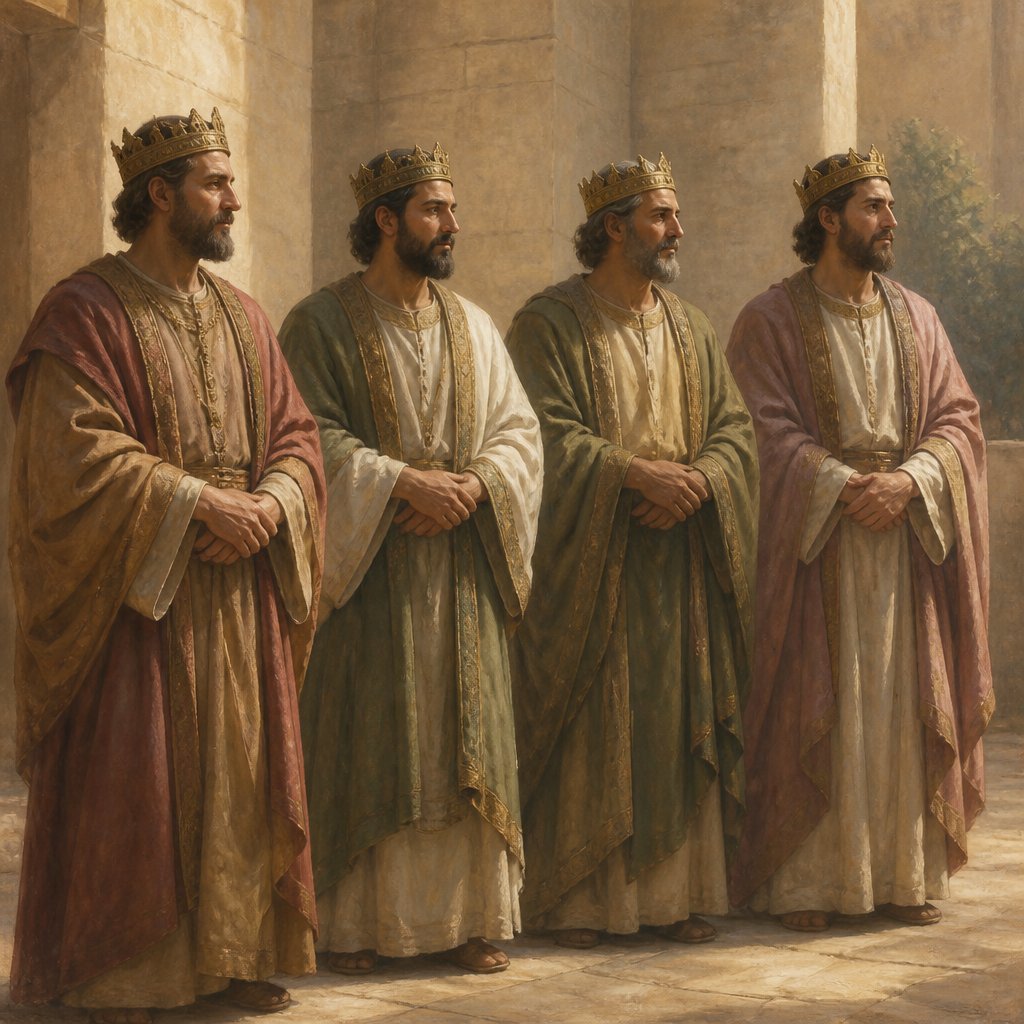
As we delve into the genealogies of the Bible, we often encounter verses that appear to be mere listings of names. However, contained within these verses are profound insights into God’s sovereignty, human character, and the legacy we leave behind. One such passage is found in 1 Chronicles 3:10, which states, "And Solomon's son was Rehoboam, Abia his son, Asa his son, Jehoshaphat his son."
At first glance, this verse reads like a simple family tree—a lineage that traces back to one of the most prominent kings of Israel. Yet, like a treasured artifact in a museum, it beckons us to examine its significance more closely.
**Rehoboam: The Inherited Crown**
Rehoboam, the first successor to King Solomon, represents not only the continuation of a royal bloodline but also a pivotal moment in Israel’s history. He was given the daunting task of ruling over the same kingdom that his father had built, filled with wealth and wisdom, yet weighed down by the heavy expectations of the people. We learn from Rehoboam that birthright and destiny can sometimes lead to unforeseen decisions that impact entire nations.
In his famous encounter with the elders of Israel, Rehoboam sought counsel on how to respond to the people's request for lighter burdens. Instead of heeding the wise advice to serve the people kindly, he chose to listen to his peers, opting for a harsher rule. This decision led to the division of the kingdom—Israel split into two kingdoms: the northern kingdom of Israel and the southern kingdom of Judah. Here lies a crucial lesson: our choices inherit consequences that affect not just ourselves, but also those we lead and influence.
**A Father’s Influence**
The progression from Rehoboam to Abia, and onward to Asa, constructed a narrative that demonstrates the power of legacy. Each name mentioned in this verse encapsulates a story, influenced not only by their own actions but also by the precedents set by their forebearers. As the son of Solomon, Rehoboam had access to wisdom but chose folly; however, his son Abia would learn from the mistakes of Rehoboam and continue this oscillating pattern of spiritual faithfulness and unfaithfulness that characterized the kings of Israel.
In a world that often prioritizes personal achievement over familial legacy, we are reminded that our actions resonate through the generations. The choices we make, rooted in either reliance on God or rash ambition, pave the paths for our children. Proverbs 22:6 stands as a guiding principle: “Train up a child in the way he should go: and when he is old, he will not depart from it.”
**Asa and Jehoshaphat: Men of God**
Following this lineage, we meet Asa and Jehoshaphat, two kings known for their fervent obedience to God and their efforts to restore true worship in Judah. Asa launched significant reforms, removing idols and restoring the altar of the Lord (2 Chronicles 14-16). Jehoshaphat continued in this faithfulness, strengthening the nation’s commitment to God, teaching the law, and leading the people in a profound prayer of dependence during overwhelming trials (2 Chronicles 20).
Their stories show us that despite the failings of the previous generation, there is always an opportunity for redemption and hope in obeying God's commands. Moreover, it emphasizes that while inheriting shortcomings and struggles is easy, it takes determination and faith to cultivate a legacy of righteousness.
**Reflection and Application**
As we reflect on this simple yet profound verse, let's ask ourselves: What legacy are we building today? How are our choices shaping the next generation? Are we leading with wisdom or following in the footsteps of poor decisions? Rehoboam’s impulsive choices led to division while Asa’s dependence on God fostered unity and faithfulness.
In life's journey, let us commit to being diligent stewards of our influence. May we pave paths of righteousness, cultivate a spirit of wisdom, and become legacy-makers through our faithful obedience to God. Remember, the impact of each decision ripples through time, influencing lives far beyond our own. Let us choose wisely, trusting in God's guidance, as we strive to leave a lasting heritage of faith.
Get our apps


Artwork for 1 Chronicles 3:10

1 Chronicles 3:10 - "¶ And Solomon's son was Rehoboam, Abia his son, Asa his son, Jehoshaphat his son,"

"¶ And Solomon's son was Rehoboam, Abia his son, Asa his son, Jehoshaphat his son," - 1 Chronicles 3:10

1 Chronicles 10:3 - "And the battle went sore against Saul, and the archers hit him, and he was wounded of the archers."

2 Chronicles 3:10 - "And in the most holy house he made two cherubims of image work, and overlaid them with gold."

1 Chronicles 3:7 - "And Nogah, and Nepheg, and Japhia,"

1 Chronicles 3:6 - "Ibhar also, and Elishama, and Eliphelet,"

1 Chronicles 3:14 - "Amon his son, Josiah his son."

1 Chronicles 1:3 - "Henoch, Methuselah, Lamech,"

1 Chronicles 4 : 10

1 Chronicles 3:8 - "And Elishama, and Eliada, and Eliphelet, nine."

"And the battle went sore against Saul, and the archers hit him, and he was wounded of the archers." - 1 Chronicles 10:3

1 Chronicles 3:12 - "Amaziah his son, Azariah his son, Jotham his son,"

2 Chronicles 10:3 - "And they sent and called him. So Jeroboam and all Israel came and spake to Rehoboam, saying,"

1 Chronicles 10:10 - "And they put his armour in the house of their gods, and fastened his head in the temple of Dagon."

1 Chronicles 3:18 - "Malchiram also, and Pedaiah, and Shenazar, Jecamiah, Hoshama, and Nedabiah."

1 Chronicles 9:10 - "¶ And of the priests; Jedaiah, and Jehoiarib, and Jachin,"

1 Chronicles 3:16 - "And the sons of Jehoiakim: Jeconiah his son, Zedekiah his son."

1 Chronicles 1:10 - "And Cush begat Nimrod: he began to be mighty upon the earth."

1 Chronicles 12:10 - "Mishmannah the fourth, Jeremiah the fifth,"

1 Chronicles 24:10 - "The seventh to Hakkoz, the eighth to Abijah,"

"Amon his son, Josiah his son." - 1 Chronicles 3:14

1 Chronicles 3:20 - "And Hashubah, and Ohel, and Berechiah, and Hasadiah, Jushab-hesed, five."

1 Chronicles 3:17 - "¶ And the sons of Jeconiah; Assir, Salathiel his son,"

1 Chronicles 3:3 - "The fifth, Shephatiah of Abital: the sixth, Ithream by Eglah his wife."

1 Chronicles 3:11 - "Joram his son, Ahaziah his son, Joash his son,"

1 Chronicles 3:13 - "Ahaz his son, Hezekiah his son, Manasseh his son,"
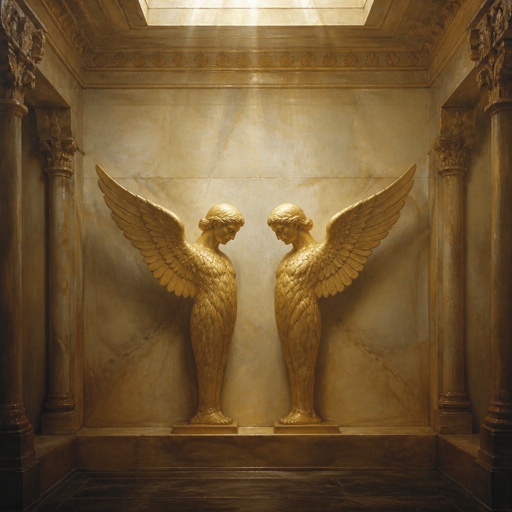
"And in the most holy house he made two cherubims of image work, and overlaid them with gold." - 2 Chronicles 3:10

"And Elishama, and Eliada, and Eliphelet, nine." - 1 Chronicles 3:8

"And Nogah, and Nepheg, and Japhia," - 1 Chronicles 3:7

"Ibhar also, and Elishama, and Eliphelet," - 1 Chronicles 3:6