What does 1 Chronicles 3:10 mean?
“And Solomon’s son was Rehoboam, Abia his son, Asa his son, Jehoshaphat his son,” — 1 Chronicles 3:10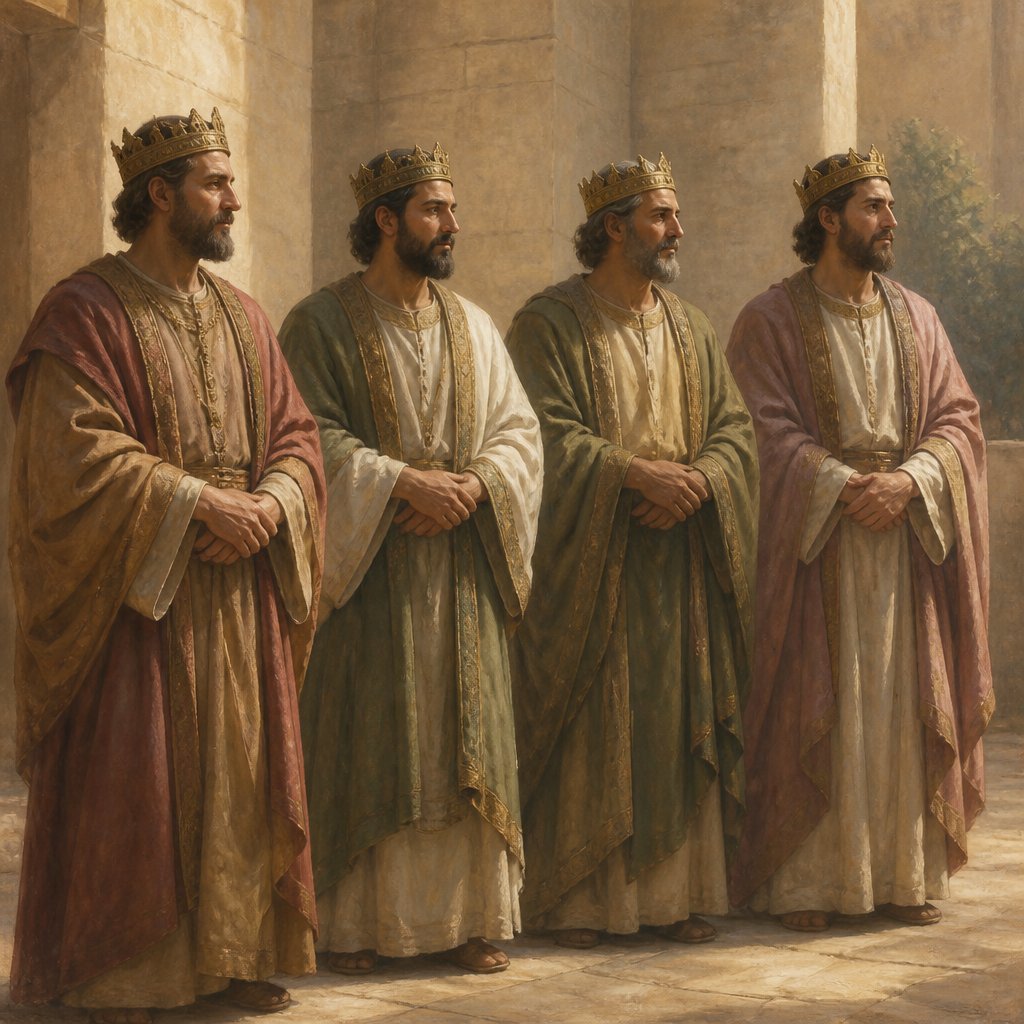
The Bible verse 1 Chronicles 3:10 in the King James Version reads, "And Solomon's son was Rehoboam, Abia his son, Asa his son, Jehoshaphat his son."
This verse is part of a genealogical record found in the book of 1 Chronicles, which is one of the historical books of the Old Testament. The entire book of 1 Chronicles serves as a genealogical record with a focus on the lineage of David, the king of Israel. The purpose of this genealogy is to trace the royal line of David and to establish the legitimacy of his descendants as the rightful heirs to the throne.
This verse specifically lists the descendants of Solomon, who was the son of David and Bathsheba and who became the third king of Israel. The verse mentions Solomon's son Rehoboam, who succeeded him as king, and Rehoboam's descendants: Abia, Asa, and Jehoshaphat. This lineage is significant in the context of Israel's history because it establishes the line of kings who ruled after Solomon and continues the narrative of the Israelite monarchy.
One theme that can be drawn from this verse is the theme of succession and lineage. Throughout the Old Testament, there is a strong emphasis on passing down blessings, responsibilities, and authority from one generation to the next. This verse reinforces the idea that the kingship of Israel was an inherited position, and the right to rule was passed from father to son. This concept of royalty and succession plays a crucial role in understanding the political and social structure of ancient Israel.
Another theme that can be found in this verse is the theme of continuity and legacy. The genealogical record in 1 Chronicles serves to memorialize the line of David and to validate the claim of his descendants to the throne. It underscores the idea that God's promises and covenants with David and his offspring are enduring and unchanging. By preserving this lineage, the biblical author highlights the continuity of God's faithfulness to his people across generations.
Moreover, this verse also symbolizes the faithfulness of God in fulfilling his promises. Throughout the Old Testament, God made numerous promises to David and his descendants, including the promise of an eternal kingdom (2 Samuel 7:16). By recording the lineage of David and Solomon's descendants, the biblical author is affirming the fulfillment of God's promises and demonstrating his unwavering faithfulness to his chosen people.
It is important to consider the historical and cultural context of this verse as well. During the time when 1 Chronicles was written, the Jewish people were in exile in Babylon, and their national identity and sense of continuity were under threat. The genealogical record served as a reminder of their rich heritage and their unique relationship with God. It provided them with a sense of hope and reassurance that God's promises to their forefathers would be fulfilled despite their current circumstances.
In conclusion, 1 Chronicles 3:10 may seem like a simple verse in a genealogical record, but it carries significant thematic, contextual, and symbolic weight. It reminds us of the importance of lineage and heritage in the biblical narrative, and it underscores the faithfulness of God in fulfilling his promises to his people. This verse serves as a testament to the enduring legacy of David and his descendants and the unchanging nature of God's covenant with them.
Get our apps


Artwork for 1 Chronicles 3:10

1 Chronicles 3:10 - "¶ And Solomon's son was Rehoboam, Abia his son, Asa his son, Jehoshaphat his son,"

"¶ And Solomon's son was Rehoboam, Abia his son, Asa his son, Jehoshaphat his son," - 1 Chronicles 3:10

1 Chronicles 10:3 - "And the battle went sore against Saul, and the archers hit him, and he was wounded of the archers."

2 Chronicles 3:10 - "And in the most holy house he made two cherubims of image work, and overlaid them with gold."

1 Chronicles 3:7 - "And Nogah, and Nepheg, and Japhia,"

1 Chronicles 3:6 - "Ibhar also, and Elishama, and Eliphelet,"

1 Chronicles 3:14 - "Amon his son, Josiah his son."

1 Chronicles 1:3 - "Henoch, Methuselah, Lamech,"

1 Chronicles 4 : 10

1 Chronicles 3:8 - "And Elishama, and Eliada, and Eliphelet, nine."

"And the battle went sore against Saul, and the archers hit him, and he was wounded of the archers." - 1 Chronicles 10:3

1 Chronicles 3:12 - "Amaziah his son, Azariah his son, Jotham his son,"

2 Chronicles 10:3 - "And they sent and called him. So Jeroboam and all Israel came and spake to Rehoboam, saying,"

1 Chronicles 10:10 - "And they put his armour in the house of their gods, and fastened his head in the temple of Dagon."

1 Chronicles 3:18 - "Malchiram also, and Pedaiah, and Shenazar, Jecamiah, Hoshama, and Nedabiah."

1 Chronicles 9:10 - "¶ And of the priests; Jedaiah, and Jehoiarib, and Jachin,"

1 Chronicles 3:16 - "And the sons of Jehoiakim: Jeconiah his son, Zedekiah his son."

1 Chronicles 1:10 - "And Cush begat Nimrod: he began to be mighty upon the earth."

1 Chronicles 12:10 - "Mishmannah the fourth, Jeremiah the fifth,"

1 Chronicles 24:10 - "The seventh to Hakkoz, the eighth to Abijah,"

"Amon his son, Josiah his son." - 1 Chronicles 3:14

1 Chronicles 3:20 - "And Hashubah, and Ohel, and Berechiah, and Hasadiah, Jushab-hesed, five."

1 Chronicles 3:17 - "¶ And the sons of Jeconiah; Assir, Salathiel his son,"

1 Chronicles 3:3 - "The fifth, Shephatiah of Abital: the sixth, Ithream by Eglah his wife."

1 Chronicles 3:11 - "Joram his son, Ahaziah his son, Joash his son,"

1 Chronicles 3:13 - "Ahaz his son, Hezekiah his son, Manasseh his son,"
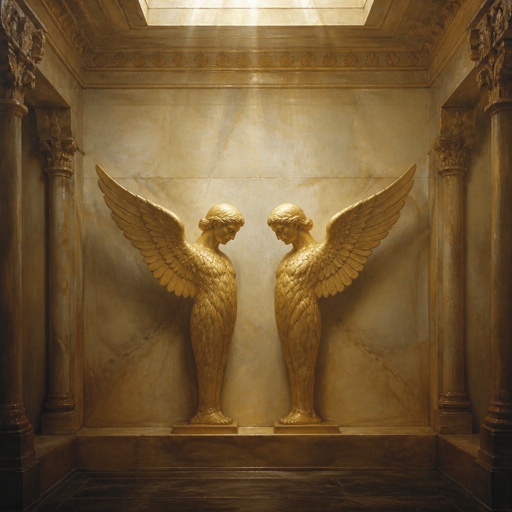
"And in the most holy house he made two cherubims of image work, and overlaid them with gold." - 2 Chronicles 3:10

"And Elishama, and Eliada, and Eliphelet, nine." - 1 Chronicles 3:8

"And Nogah, and Nepheg, and Japhia," - 1 Chronicles 3:7

"Ibhar also, and Elishama, and Eliphelet," - 1 Chronicles 3:6