The Legacy of Faith: Finding Meaning in the Genealogy
“And Chelub the brother of Shuah begat Mehir, which was the father of Eshton.” — 1 Chronicles 4:11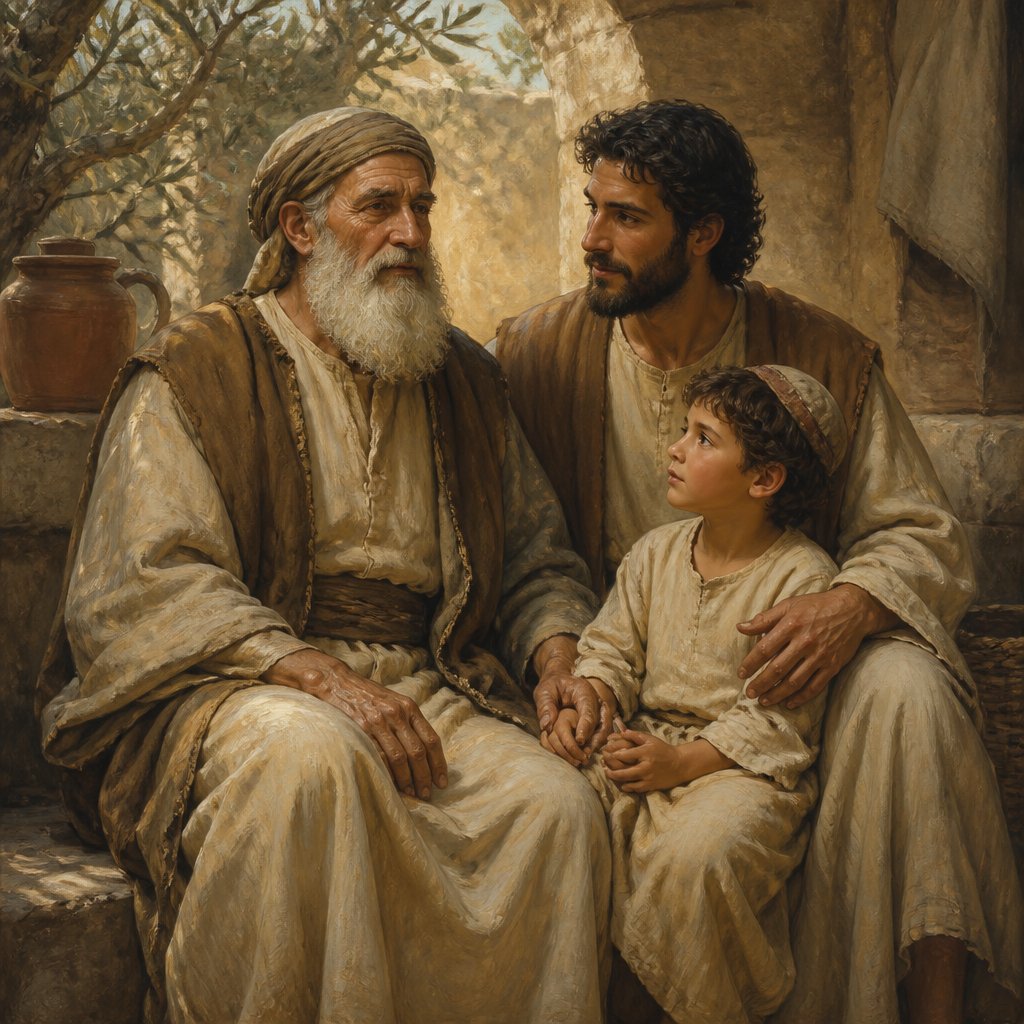
In the intricate tapestry of the Bible, there are passages that seem to get lost in the sea of names, numbers, and genealogies—1 Chronicles 4:11 is one of those verses. Yet, nestled within its brevity is an invaluable lesson about legacy, purpose, and the often-overlooked significance of every life recorded in Scripture. The verse states: "And Chelub the brother of Shuah begat Mehir, which was the father of Eshton."
At first glance, it's easy to read over this verse without a second thought—another name in a long list, merely a footnote in the grand narrative of God's story. However, as we reflect deeper on this verse, we find that each name signifies a life lived, families built, and the unfolding of God’s plan in an era long past. Chelub, Shuah, Mehir, and Eshton were not just names; they represent real people, each with their own unique stories, struggles, and triumphs.
**The Importance of Heritage**
Genealogy is significant throughout the Scriptures, reminding us that God works through generations. Understanding our heritage helps us trace back the foundations of our faith. In ancient Israel, lineage was essential—it established identity, inheritance, and connection to God’s promises. Here, we see Chelub and his lineage that flowed down into Mehir and Eshton, demonstrating how generations influence one another and impact the future.
Consider how Chelub’s faithfulness and obedience to God may have set a precedent for Mehir and Eshton. Just as he bore the responsibility of leading his family in faith, we too must consider the legacies we are crafting. Whether we are biological parents, mentors, or friends, our actions today have ramifications for those who come after us.
**God’s Faithfulness Through Families**
The lineage from Chelub is a reminder of God’s profound faithfulness through family. Throughout Scripture, God continually refers to Himself as the God of Abraham, Isaac, and Jacob. His promises resonate through familial lines. Chelub's descendants would not have been mentioned if they had not played a role in God’s unfolding plan. The connections between these generations emphasize that God's purpose does not thrive in isolation but in community and continuity. If we look closer at the following chapters, we see how these names contribute to God’s overarching narrative of redemption.
**A Call to Action**
Genealogies challenge us to reflect upon our own lives. What legacy are we leaving behind? Are we living in a manner that would inspire those who follow in our footsteps? Just as Mehir is identified as the father of Eshton, what titles or roles will our names carry? When our histories are written, what will they say about our faith and how we contributed to our families?
In a world that often seems chaotic and devoid of purpose, this verse calls us back to the foundational truths of our faith. It reminds us of the beauty and complexity of God’s creation through generations. Each person's life matters and intertwines with those around them in a divine orchestration.
**Conclusion**
Ultimately, as we meditate on 1 Chronicles 4:11, let us find comfort in the knowledge that God knows our names. He sees our contributions, however small they may seem. Each of us has the potential to impact our family line for the glory of God. May we take the legacy of Chelub, Mehir, and Eshton as an encouragement to live out our faith boldly and to invest in the lives of those God has placed in our path.
Let us pray: Lord, help us to be mindful of the legacy we are leaving. May our lives reflect Your love and truth for generations to come. Amen.
Get our apps


Artwork for 1 Chronicles 4:11

1 Chronicles 4:11 - "¶ And Chelub the brother of Shuah begat Mehir, which was the father of Eshton."

"¶ And Chelub the brother of Shuah begat Mehir, which was the father of Eshton." - 1 Chronicles 4:11

1 Chronicles 11:4 - "¶ And David and all Israel went to Jerusalem, which is Jebus; where the Jebusites were, the inhabitants of the land."

1 Chronicles 4 : 10

1 Chronicles 1:11 - "And Mizraim begat Ludim, and Anamim, and Lehabim, and Naphtuhim,"

1 Chronicles 1:4 - "Noah, Shem, Ham, and Japheth."

2 Chronicles 4:11 - "And Huram made the pots, and the shovels, and the basons. And Huram finished the work that he was to make for king Solomon for the house of God;"

1 Chronicles 11:29 - "Sibbecai the Hushathite, Ilai the Ahohite,"

1 Chronicles 12:11 - "Attai the sixth, Eliel the seventh,"

1 Chronicles 24:11 - "The ninth to Jeshua, the tenth to Shecaniah,"

1 Chronicles 11:40 - "Ira the Ithrite, Gareb the Ithrite,"

1 Chronicles 11:27 - "Shammoth the Harorite, Helez the Pelonite,"

1 Chronicles 11:36 - "Hepher the Mecherathite, Ahijah the Pelonite,"

1 Chronicles 11:47 - "Eliel, and Obed, and Jasiel the Mesobaite."

1 Chronicles 11:33 - "Azmaveth the Baharumite, Eliahba the Shaalbonite,"

2 Chronicles 4:22
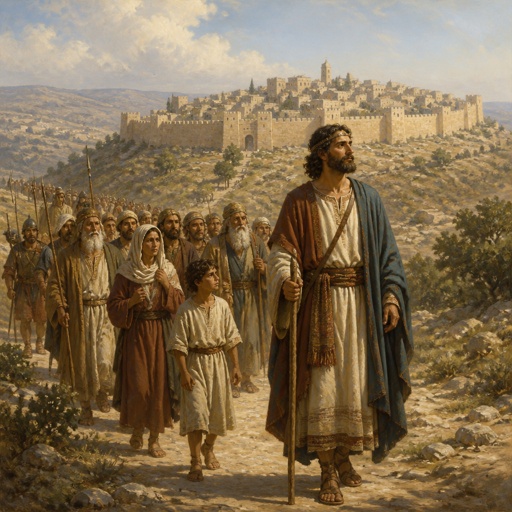
"¶ And David and all Israel went to Jerusalem, which is Jebus; where the Jebusites were, the inhabitants of the land." - 1 Chronicles 11:4

1 Chronicles 8:11 - "And of Hushim he begat Abitub, and Elpaal."

1 Chronicles 11:43 - "Hanan the son of Maachah, and Joshaphat the Mithnite,"

1 Chronicles 11:32 - "Hurai of the brooks of Gaash, Abiel the Arbathite,"

1 Chronicles 11:41 - "Uriah the Hittite, Zabad the son of Ahlai,"

1 Chronicles 11:37 - "Hezro the Carmelite, Naarai the son of Ezbai,"

1 Chronicles 4:29 - "And at Bilhah, and at Ezem, and at Tolad,"

1 Chronicles 4:30 - "And at Bethuel, and at Hormah, and at Ziklag,"

1 Chronicles 8:4 - "And Abishua, and Naaman, and Ahoah,"

1 Chronicles 6:11 - "And Azariah begat Amariah, and Amariah begat Ahitub,"

1 Chronicles 11:30 - "Maharai the Netophathite, Heled the son of Baanah the Netophathite,"

1 Chronicles 2:11 - "And Nahshon begat Salma, and Salma begat Boaz,"

1 Chronicles 4:1 - "The sons of Judah; Pharez, Hezron, and Carmi, and Hur, and Shobal."

1 Chronicles 11:38 - "Joel the brother of Nathan, Mibhar the son of Haggeri,"