The Inheritance of Kohath: Lessons on Faithful Legacy
“And unto the sons of Kohath, which were left of the family of that tribe, were cities given out of the half tribe, namely, out of the half tribe of Manasseh, by lot, ten cities.” — 1 Chronicles 6:61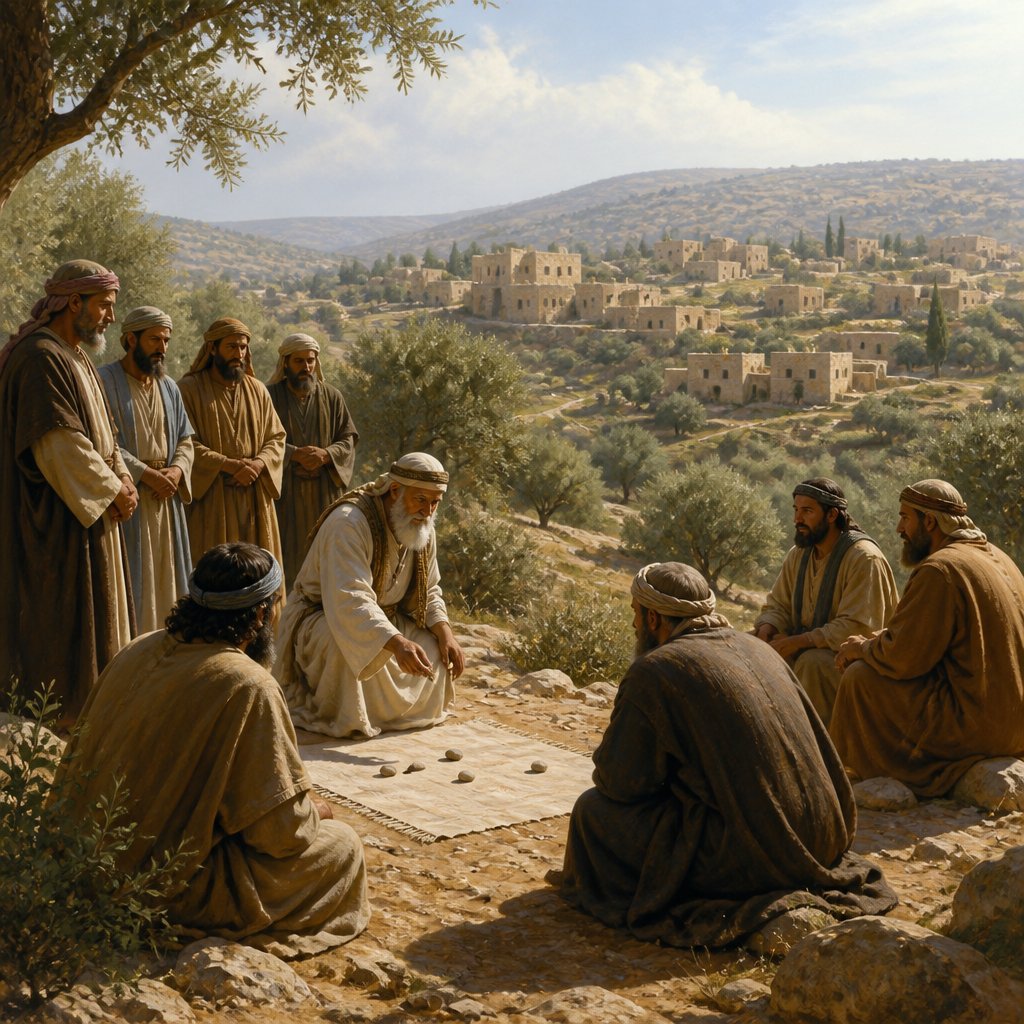
In the grand narrative of the Bible, the allotment of land and cities to the tribes of Israel is more than just a geographical distribution; it is a profound illustration of God’s faithfulness to His promises and His intricate plan for His people. The passage in 1 Chronicles 6:61, which states, "And unto the sons of Kohath, which were left of the family of that tribe, were cities given out of the half tribe, namely, out of the half tribe of Manasseh, by lot, ten cities," serves as a captivating reminder of how God provides for those who remain faithful, intertwined with crucial lessons about legacy, community, and divine purpose.
### The Decisions of God
The inheritance given to the sons of Kohath represents God’s sovereign decision-making. In the context of the Israelites, following their long journey through the wilderness, we see God meticulously outlining each tribe's inheritance according to His purposes. Kohath was one of the three sons of Levi (the priestly tribe), and although they did not receive a land inheritance like the other tribes, they were entrusted with specific cities. These cities were not merely places to reside; they symbolized a continuation of a holy legacy—the stewardship of worship and service unto the Lord.
Isn't it fascinating how God's choices often confound our understanding? He can take what seems small and insignificant and elevate it for His purposes. The Kohathites' role as bearers of the sacred items of worship (Exodus 28:1) illustrates the heart of spiritual servanthood. They were given responsibility over the tabernacle's most holy items, such as the Ark of the Covenant, reminding us that God values those who are willing to serve Him with fidelity, regardless of their social status or prominence.
### The Legacy of Faith
The ten cities allotted to the sons of Kohath are emblematic of the legacy we build in our own lives. Each city signifies a place where their descendants could dwell, encircled by the presence of God as they performed their duties. Legacy is not merely about what we leave behind; it is about how we live faithfully today. The Kohathites' story invites us to consider the legacies we are crafting—how are we investing in the communities and people around us? Are we intentional about passing down our faith?
In various ways, every believer carries the responsibility of establishing a legacy grounded in faith. Whether it's through our actions, teachings, or the simple yet profound relationships we foster, our spiritual inheritance can impact generations. Imagine the lives shaped by the sons of Kohath, who were committed to serving God! This devotion to duty, worship, and service forms a strong spiritual foundation for their descendants.
### God’s Plan for All
Furthermore, the verse reveals a beautiful truth—that everyone is included in God's redemptive purposes. The Kohathites were a section of the Levites who were initially at risk of being overshadowed because they seemed left out in the allocation of land. However, God's divine strategy turned their obscurity into prominence through their sacred call. We, too, might sometimes feel overlooked or insignificant, but God has specific roles for us to fulfill.
The mention of "by lot" shows that the allocation was not random; it was guided by God’s hand. Just as every city was given purpose, so is everyone called to a unique role within the Body of Christ. Each believer is pivotal in the ministry of the church, as we all contribute to the expansive narrative of God's kingdom.
### Conclusion
As we meditate on this verse, let us appreciate the depth of God's provisions and His faithfulness to His promises. May we appreciate the unique virtues of our inheritance, however it may present itself. Like the sons of Kohath, may we serve earnestly and build a legacy that honors God, impacts our communities, and leads future generations toward a deeper relationship with Him. Let us strive to be faithful stewards of the divine gifts we’ve received, remembering that every act of love and service—a prayer offered, a kind word spoken, or a hand extended in help—adds to the cities of faith we build in the hearts and lives of those around us.
Get our apps


Artwork for 1 Chronicles 6:61

1 Chronicles 6:61 - "And unto the sons of Kohath, which were left of the family of that tribe, were cities given out of the half tribe, namely, out of the half tribe of Manasseh, by lot, ten cities."
"And unto the sons of Kohath, which were left of the family of that tribe, were cities given out of the half tribe, namely, out of the half tribe of Manasseh, by lot, ten cities." - 1 Chronicles 6:61

1 Chronicles 6:1 - "The sons of Levi; Gershon, Kohath, and Merari."

"The sons of Levi; Gershon, Kohath, and Merari." - 1 Chronicles 6:1

Isiah 61:1-3 Isaiah 61:1-3

Psalms 61:6 - "Thou wilt prolong the king's life: and his years as many generations."

Jesus said, ‘Does this upset you?’ (Jn 6:61)

Luke 1:61 - "And they said unto her, There is none of thy kindred that is called by this name."

John 6:61 - "When Jesus knew in himself that his disciples murmured at it, he said unto them, Doth this offend you?"

2 Chronicles 6:1 - "Then said Solomon, The LORD hath said that he would dwell in the thick darkness."

1 Chronicles 6:6 - "And Uzzi begat Zerahiah, and Zerahiah begat Meraioth,"

1 Chronicles 1:6 - "And the sons of Gomer; Ashchenaz, and Riphath, and Togarmah."

"Thou wilt prolong the king's life: and his years as many generations." - Psalms 61:6

Psalms 61:1 - "Hear my cry, O God; attend unto my prayer."

1 Chronicles 14:6 - "And Nogah, and Nepheg, and Japhia,"

1 Chronicles 3:6 - "Ibhar also, and Elishama, and Eliphelet,"

1 Chronicles 6:25 - "And the sons of Elkanah; Amasai, and Ahimoth."

1 Chronicles 6:16 - "¶ The sons of Levi; Gershom, Kohath, and Merari."

1 Chronicles 6:17 - "And these be the names of the sons of Gershom; Libni, and Shimei."

1 Chronicles 6:28 - "And the sons of Samuel; the firstborn Vashni, and Abiah."

Isaiah 61:6 - "But ye shall be named the Priests of the LORD: men shall call you the Ministers of our God: ye shall eat the riches of the Gentiles, and in their glory shall ye boast yourselves."

1 Chronicles 6:58 - "And Hilen with her suburbs, Debir with her suburbs,"

1 Chronicles 6:12 - "And Ahitub begat Zadok, and Zadok begat Shallum,"

1 Chronicles 6:45 - "The son of Hashabiah, the son of Amaziah, the son of Hilkiah,"

1 Chronicles 6:11 - "And Azariah begat Amariah, and Amariah begat Ahitub,"

1 Chronicles 6:14 - "And Azariah begat Seraiah, and Seraiah begat Jehozadak,"

1 Chronicles 7:6 - "¶ The sons of Benjamin; Bela, and Becher, and Jediael, three."

1 Chronicles 6:53 - "Zadok his son, Ahimaaz his son."

1 Chronicles 6:5 - "And Abishua begat Bukki, and Bukki begat Uzzi,"

1 Chronicles 6:9 - "And Ahimaaz begat Azariah, and Azariah begat Johanan,"