Cities of Heritage: The Legacy of Kohath
“And the residue of the families of the sons of Kohath had cities of their coasts out of the tribe of Ephraim.” — 1 Chronicles 6:66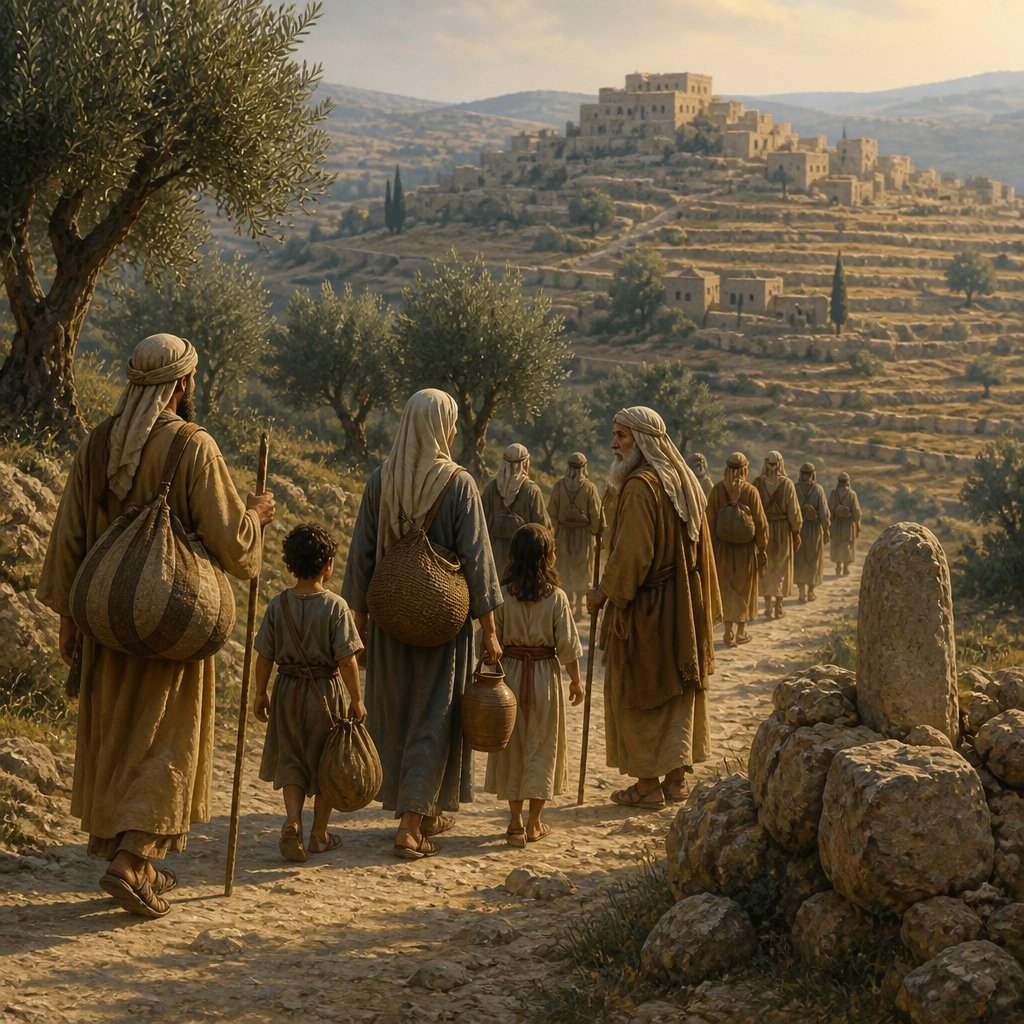
As we immerse ourselves in the depths of the Old Testament, particularly in the book of 1 Chronicles, we encounter a testament not just of lineage, but of identity, God’s provision, and the importance of our heritage. In 1 Chronicles 6:66, the King James Version states: "And the residue of the families of the sons of Kohath had cities of their coasts out of the tribe of Ephraim." This verse, while seemingly simple, is rooted in rich historical and spiritual significance that invites us to reflect on our own legacy and how we claim our identity in God.
The Kohathites were one of the three main divisions of the tribe of Levi, who were set apart by God for special service in the temple. Their name means "assembly," and it speaks to a deeper purpose—being gathered not only as a tribe but as part of the assembly of the Lord. Kohath’s descendants were entrusted with the holy items of the sanctuary. In the rhythm of Israel’s worship and service, Kohath's families represent those who are tasked to carry and preserve the holiness and presence of God among His people.
The phrase 'the residue of the families' acknowledges those who remained, those who were perhaps fewer in numbers but still retained their significance within the grand narrative of Israel’s story. This can remind us that even when we feel small or insignificant in God’s kingdom or even in our own families, our contributions are valued and that we are part of a larger divine story.
Next, we notice that these families were granted cities amidst the tribe of Ephraim. This brings to light God’s provision for His servants. The Ephraimites were positioned in a fertile area, a land flowing with milk and honey. The inclusion of the Kohathites in these lands symbolizes God’s promise that those who serve Him will find refuge, sustenance, and a place to thrive.
As we apply this to our own lives, one could draw parallels between being chosen by God and finding a place in the community of believers. God has planted us in certain 'cities' too—our own families, churches, workplaces, and neighborhoods. They may not always align with what we envisioned for ourselves, but each of these environments is intentionally designed for us to flourish in our walk with God and contribute to the well-being of those around us.
Furthermore, there’s an inherent challenge here: God calls us to be faithful wherever He places us. The Kohathites had their responsibilities, and God entrusted them with specific duties regarding the tabernacle. In our respective 'cities' of work, family, or church, what responsibilities is God entrusting to us? While the Kohathites carried sacred items, we are called to carry the light of Christ and to live out our faith authentically.
This verse also reminds us that legacy matters. The cities granted to the families of Kohath were more than mere habitations; they were reminders of God's ongoing faithfulness to His covenant people. The very cities themselves stand as testimonies to God’s promise being fulfilled. As Christians, we too are called to leave a legacy of faith, service, and hope to future generations. What will we pass down? How will our actions today impact those who inherit our beliefs and practices tomorrow?
As we reflect on the statement in 1 Chronicles 6:66, it calls us to celebrate our identity in Christ and to honor the heritage of faith we have received. Each generation has a role to play in the unfolding drama of redemption. Like the Kohathites, may we stand firm in our roles, eager to carry the light of God into every corner of our cities and lives, serving Him faithfully in every appointed place. Let us remember that though we might be ‘the residue,’ we are chosen, valued, and called to reflect His glory in a world eager for light and truth.
Get our apps


Artwork for 1 Chronicles 6:66
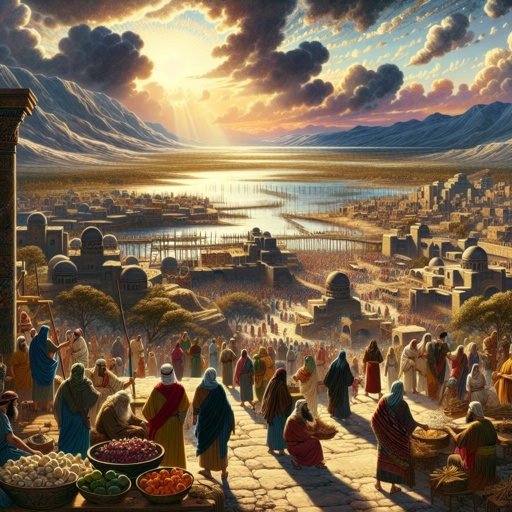
1 Chronicles 6:66 - "And the residue of the families of the sons of Kohath had cities of their coasts out of the tribe of Ephraim."
"And the residue of the families of the sons of Kohath had cities of their coasts out of the tribe of Ephraim." - 1 Chronicles 6:66

1 Chronicles 6:6 - "And Uzzi begat Zerahiah, and Zerahiah begat Meraioth,"
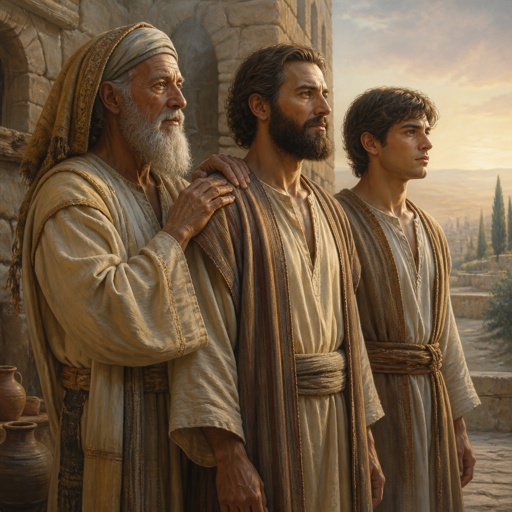
"And Uzzi begat Zerahiah, and Zerahiah begat Meraioth," - 1 Chronicles 6:6

Isaiah 66:1

Isaiah 66:1-2

John 6:66 - "¶ From that time many of his disciples went back, and walked no more with him."





Isaiah 66:1-2

Isaiah 66:6 - "A voice of noise from the city, a voice from the temple, a voice of the LORD that rendereth recompence to his enemies."

Psalms 66:6 - "He turned the sea into dry land: they went through the flood on foot: there did we rejoice in him."

1 Chronicles 1:6 - "And the sons of Gomer; Ashchenaz, and Riphath, and Togarmah."

1 Chronicles 6:1 - "The sons of Levi; Gershon, Kohath, and Merari."
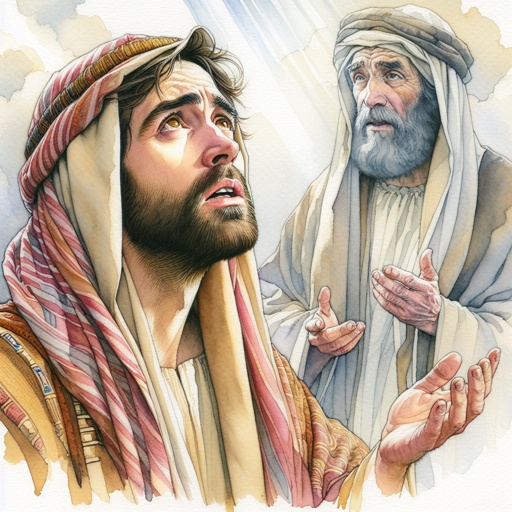
Peter said, ‘Lord, to whom shall we go?’ (Jn 6:66)

1 Chronicles 14:6 - "And Nogah, and Nepheg, and Japhia,"

2 Chronicles 6:6 - "But I have chosen Jerusalem, that my name might be there; and have chosen David to be over my people Israel."

Psalms 66:1 - "Make a joyful noise unto God, all ye lands:"

1 Chronicles 3:6 - "Ibhar also, and Elishama, and Eliphelet,"

1 Chronicles 6:25 - "And the sons of Elkanah; Amasai, and Ahimoth."

1 Chronicles 6:16 - "¶ The sons of Levi; Gershom, Kohath, and Merari."

1 Chronicles 6:17 - "And these be the names of the sons of Gershom; Libni, and Shimei."

1 Chronicles 6:28 - "And the sons of Samuel; the firstborn Vashni, and Abiah."
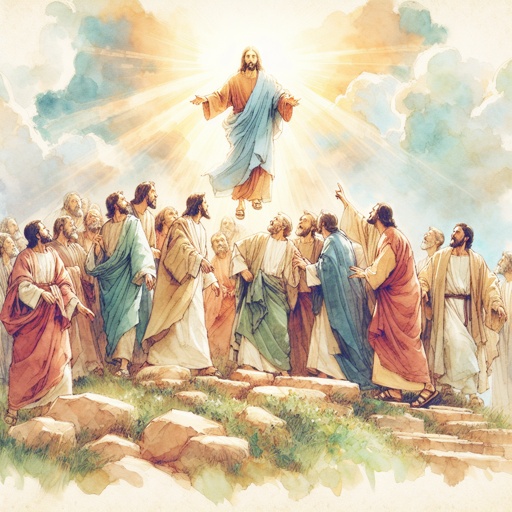
After saying this many of his disciples left him and stopped going with him. (Jn 6:66)

1 Chronicles 6:58 - "And Hilen with her suburbs, Debir with her suburbs,"

1 Chronicles 6:12 - "And Ahitub begat Zadok, and Zadok begat Shallum,"

1 Chronicles 6:45 - "The son of Hashabiah, the son of Amaziah, the son of Hilkiah,"