Understanding Our Spiritual Heritage: Lessons from Kedesh, Hammon, and Kirjathaim
“And out of the tribe of Naphtali; Kedesh in Galilee with her suburbs, and Hammon with her suburbs, and Kirjathaim with her suburbs.” — 1 Chronicles 6:76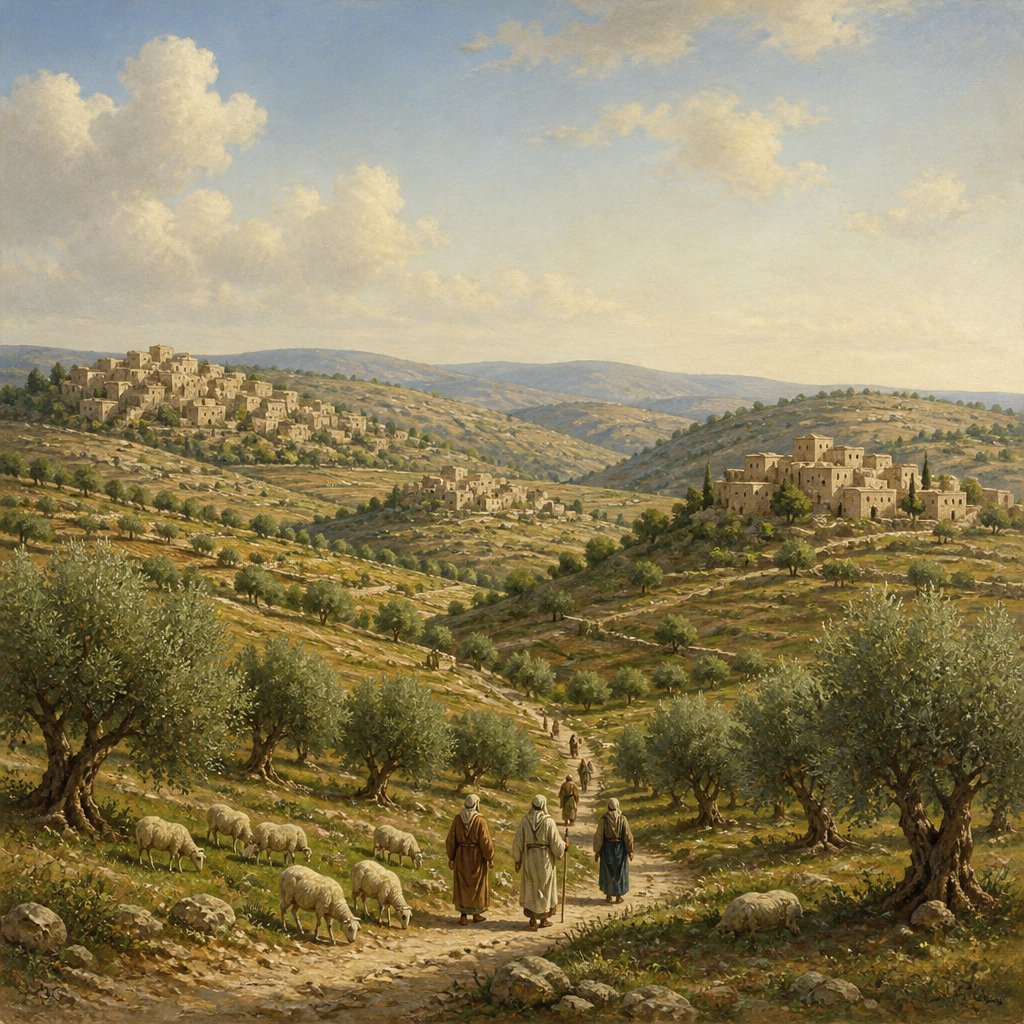
In 1 Chronicles 6:76, we are reminded of the cities appointed to the tribe of Naphtali: "And out of the tribe of Naphtali; Kedesh in Galilee with her suburbs, and Hammon with her suburbs, and Kirjathaim with her suburbs." At first glance, this verse may seem like a simple geographical reference, but buried within its words are profound truths about God’s provision, heritage, and the legacy that each location represents.
### The Significance of Kedesh
Kedesh, which means 'sanctuary' or 'holy place', stands as a symbol of refuge in our spiritual journey. In the Old Testament, it served as a city of refuge for those seeking safety from avengers of blood. This illustrates God’s heart for mercy and protection. In times of trouble, we, too, can find our Kedesh in Christ, our true sanctuary. When life’s storms rage and the enemy seeks to overwhelm us, we can run to Him for safety and peace. The offering of solace is not merely physical; it’s spiritual, reminding us that the safest places in our lives are found in reliance on God, who serves as our ultimate refuge (Psalm 46:1).
### The Blessing of Hammon
Next, we turn to Hammon. This city, whose name suggests ‘singing’ or ‘joy’ holds great significance in understanding our emotional health in God’s presence. The view of Hammon invites us to find joy in the Lord, especially during our trials. Nehemiah 8:10 states that "the joy of the Lord is your strength.” In our worship and praise, we discover renewed strength and the ability to face adversity head-on. We are called to rejoice in all circumstances, knowing that our joy is rooted not in our situations but in our relationship with the Lord.
As we reflect on Hammon, we must ask ourselves if we are allowing the burdens of our lives to stifle our praise. Have we forgotten that joy is a choice and an essential part of our faith journey? Let us reclaim our song, much like the psalmists who sang in the face of difficulties, reaffirming that our joy comes from acknowledging God’s goodness and sovereignty over our lives.
### The Legacy of Kirjathaim
Finally, Kirjathaim, which translates to 'double city', represents the duality of our existence as Christians. Positioned at a crossroads, this city suggests that we live in both a physical and spiritual realm. We must engage with the world around us while remaining firmly grounded in our faith. Jesus calls us to be in the world, not of it (John 17:14-16).
In Kirjathaim, we are reminded of our dual call: to walk out our faith in practical terms while simultaneously embracing the eternal hope that we possess in Christ. The challenge lies in navigating our responsibilities here on earth while allowing the values of heaven to shape our lives. Each time we forget our heavenly citizenship, we risk losing our way in the complexities of life.
### Application to Our Lives
As we meditate on the cities of Naphtali, we are drawn to consider our own spiritual heritage. Each name conveys truths that can reshape our understanding of God’s provision in our lives. Like Kedesh, are we recognizing where our safe refuge lies? Are we running to our fortress in Christ?
From Hammon, we need to examine how well we are choosing joy in our daily lives. Are we actively engaging in worship and praise, allowing the joy of the Lord to be our sustenance through all seasons?
Finally, Kirjathaim beckons us to live in balance. Are we recognizing our dual identity as citizens of heaven while living in this world? There is purpose in pondered reflection: we owe it to ourselves and to the generations after us to understand and cherish the legacy we inhabit. Every aspect of our history, seen through the lens of these cities, can guide us toward a deeper relationship with God.
In all things, let us strive to embody the refuge, joy, and balance of our spiritual inheritance, echoing the testimony of the cities of Naphtali and glorifying God in our lives.
Get our apps


Artwork for 1 Chronicles 6:76
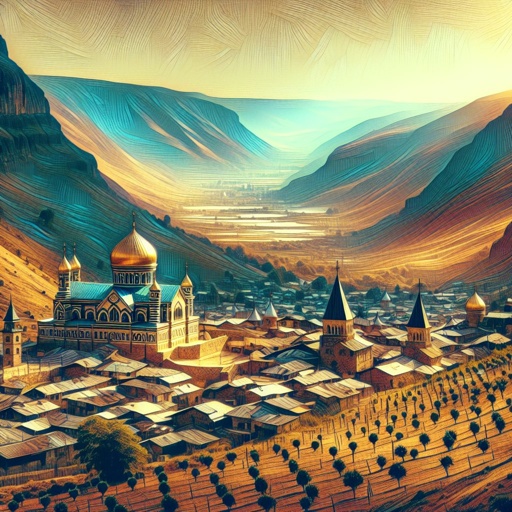
1 Chronicles 6:76 - "And out of the tribe of Naphtali; Kedesh in Galilee with her suburbs, and Hammon with her suburbs, and Kirjathaim with her suburbs."
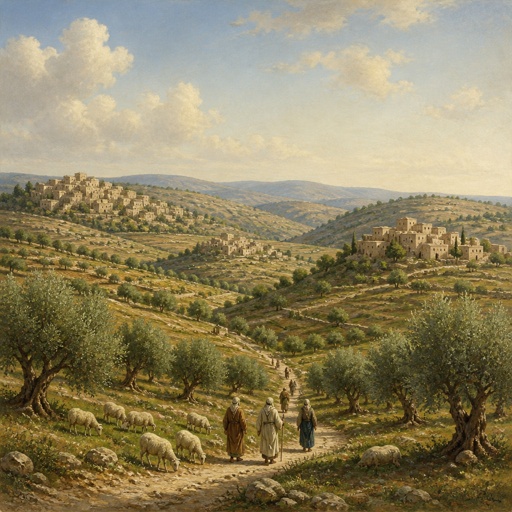
"And out of the tribe of Naphtali; Kedesh in Galilee with her suburbs, and Hammon with her suburbs, and Kirjathaim with her suburbs." - 1 Chronicles 6:76
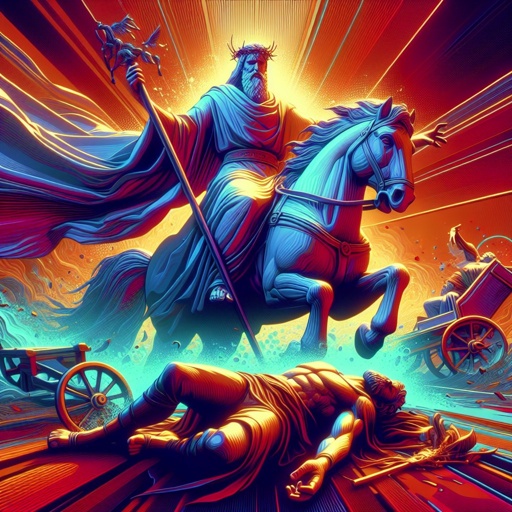
Psalms 76:6 - "At thy rebuke, O God of Jacob, both the chariot and horse are cast into a dead sleep."

Psalms 76:1 - "In Judah is God known: his name is great in Israel."
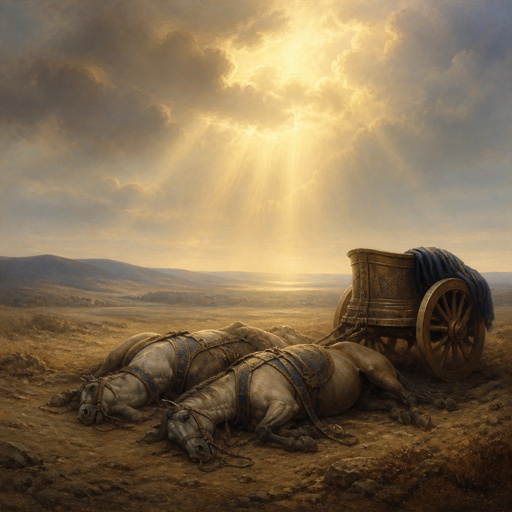
"At thy rebuke, O God of Jacob, both the chariot and horse are cast into a dead sleep." - Psalms 76:6
Psalm 76:10

Psalm 76:10

Luke 1:76 - "And thou, child, shalt be called the prophet of the Highest: for thou shalt go before the face of the Lord to prepare his ways;"

1 Chronicles 6:6 - "And Uzzi begat Zerahiah, and Zerahiah begat Meraioth,"
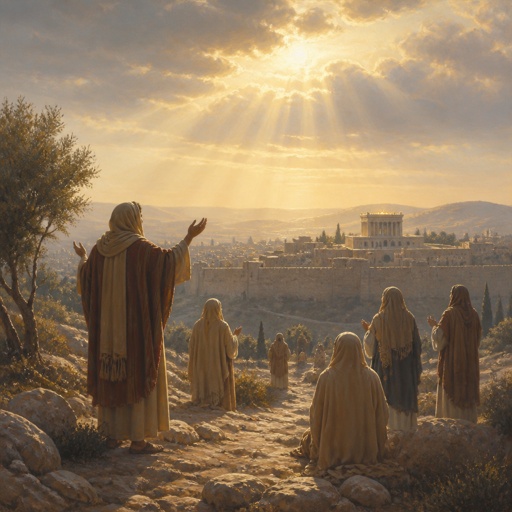
"In Judah is God known: his name is great in Israel." - Psalms 76:1
Psalm 76:1-2 - "In Judah God is known; His name is great in Israel. In Salem also is His tabernacle, and His dwelling place in Zion."

1 Chronicles 1:6 - "And the sons of Gomer; Ashchenaz, and Riphath, and Togarmah."

1 Chronicles 6:1 - "The sons of Levi; Gershon, Kohath, and Merari."

1 Chronicles 14:6 - "And Nogah, and Nepheg, and Japhia,"

1 Chronicles 7:6 - "¶ The sons of Benjamin; Bela, and Becher, and Jediael, three."

Numbers 7:76 - "One kid of the goats for a sin offering:"

1 Chronicles 3:6 - "Ibhar also, and Elishama, and Eliphelet,"

1 Chronicles 6:25 - "And the sons of Elkanah; Amasai, and Ahimoth."

1 Chronicles 6:16 - "¶ The sons of Levi; Gershom, Kohath, and Merari."

1 Chronicles 6:17 - "And these be the names of the sons of Gershom; Libni, and Shimei."

1 Chronicles 6:28 - "And the sons of Samuel; the firstborn Vashni, and Abiah."

1 Chronicles 6:14 - "And Azariah begat Seraiah, and Seraiah begat Jehozadak,"

1 Chronicles 6:58 - "And Hilen with her suburbs, Debir with her suburbs,"

1 Chronicles 6:12 - "And Ahitub begat Zadok, and Zadok begat Shallum,"

1 Chronicles 6:53 - "Zadok his son, Ahimaaz his son."

1 Chronicles 6:11 - "And Azariah begat Amariah, and Amariah begat Ahitub,"

1 Chronicles 6:5 - "And Abishua begat Bukki, and Bukki begat Uzzi,"

1 Chronicles 6:45 - "The son of Hashabiah, the son of Amaziah, the son of Hilkiah,"

1 Chronicles 6:9 - "And Ahimaaz begat Azariah, and Azariah begat Johanan,"

1 Chronicles 6:41 - "The son of Ethni, the son of Zerah, the son of Adaiah,"