Cities of Refuge: A Call to Belonging and Legacy
“And to the sons of Gershom throughout their families out of the tribe of Issachar, and out of the tribe of Asher, and out of the tribe of Naphtali, and out of the tribe of Manasseh in Bashan, thirteen cities.” — 1 Chronicles 6:62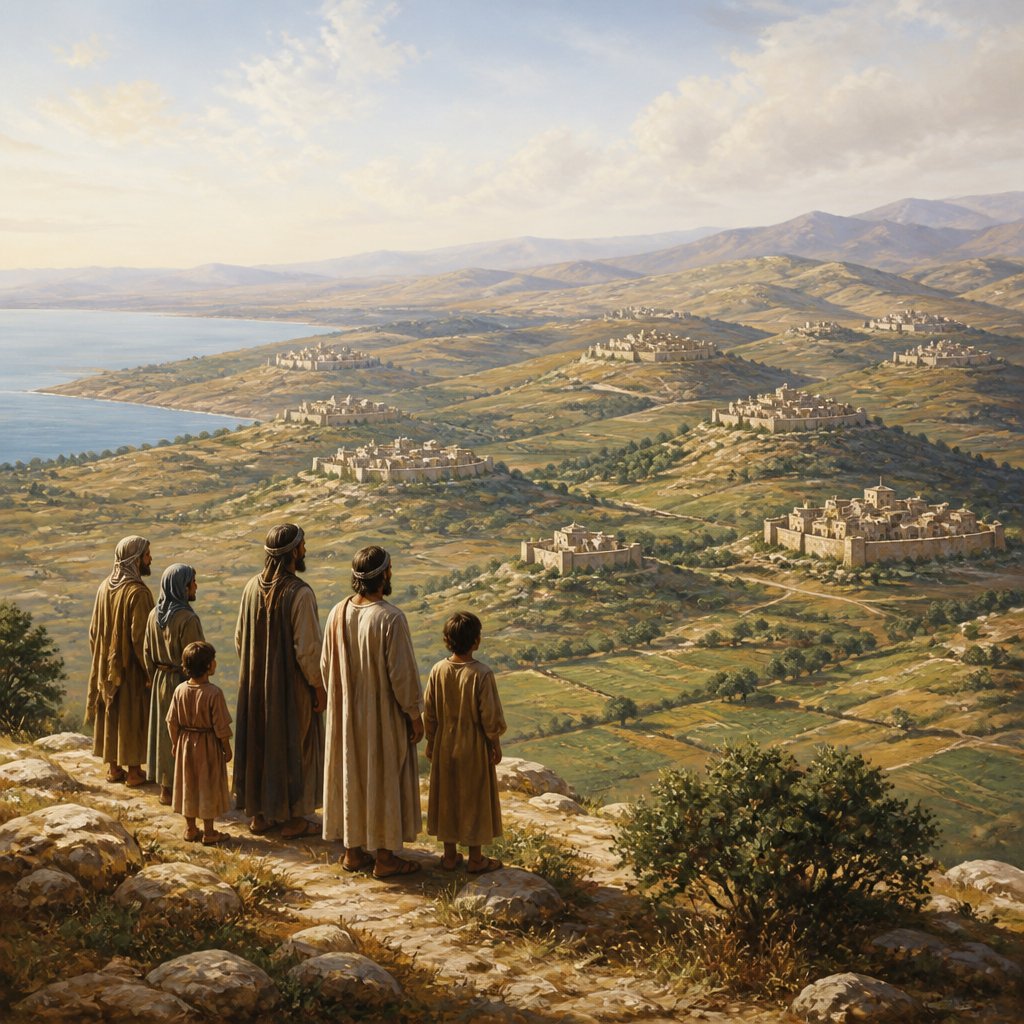
As we delve into the genealogies and distributions of the tribes in 1 Chronicles 6:62, we encounter a curious verse: “And to the sons of Gershom throughout their families out of the tribe of Issachar, and out of the tribe of Asher, and out of the tribe of Naphtali, and out of the tribe of Manasseh in Bashan, thirteen cities.” At first glance, such a verse may seem to lack the punch of a dramatic biblical story or the clarity of a direct teaching, but it serves as a database of divine purpose and a profound illustration of belonging and legacy that resonates with the heart of God’s people.
In the ancient context of Israel, the cities allocated to the Levites were not just mere locations; they were sanctuaries, havens of worship, and places of refuge amidst the chaotic lives of the Israelites. This particular distribution of cities to the sons of Gershom, a branch of the Levitical tribe, speaks volumes about God’s intention for His people. As we unpack this verse, it is essential to understand that genealogy is deeply embedded in the Scriptural narrative—not merely as dry historical facts but as testimony to God’s faithfulness to His covenants.
The allocation of thirteen cities encapsulates various themes: connection, heritage, and divine purpose. The tribes referenced—Issachar, Asher, Naphtali, and Manasseh—represent a mosaic of the wider community of Israel. Each of these tribes possessed distinct gifts, occupations, and characteristics that contributed to the overall identity of Israel. By bringing together these families under the Levites’ guardianship, God was fostering a sense of community and collective purpose. This principle can be seen today as God calls people from different backgrounds and walks of life to serve in His kingdom, emphasizing that we are richer together than apart.
In our modern context, it is easy to feel isolated or disconnected in our spiritual journeys. We may wonder how our experiences and tribulations fit into God’s greater narrative. This verse invites us to remember that we belong to a larger family of believers, each contributing uniquely to God’s story. The Levites’ cities symbolize a place of belonging where worship and community can thrive.
When we look at the thirteen cities granted to the sons of Gershom, we learn that there is a designated space for each of us within God's kingdom. We are all called to make a difference in the places we reside. Our cities today could be the communities where we live, work, and serve—facing the challenges of modern life—from bustling cities to quiet towns, we have a calling to create ‘cities of refuge’ within them. We don’t merely exist in these spaces; we are commissioned to bring about God’s presence and love within our communities. Every act of kindness, every moment of sharing the Gospel, is a stepping stone to establishing God’s kingdom among us.
Moreover, this passage’s emphasis on location and inheritance encourages us to consider our legacy. God’s promises extend beyond our lives; they influence generations. The sons of Gershom were not just inheriting cities for themselves but were part of a historical and spiritual lineage. We must reflect on what we are leaving for those who come after us. Are we building cities of faith, hope, and love for future generations? Are we nurturing our children and our spiritual children in the truths of the Word?
In conclusion, 1 Chronicles 6:62 may seem like a simple record of city allocations, yet it unfolds a profound message about belonging, collaboration among God’s people, and the legacy we build. As we embrace our identities within the collective body of Christ, may we be inspired to cultivate the ‘cities’ we inhabit, creating spaces where God’s presence is felt, and people find refuge and hope.
Let’s pray:
Heavenly Father, thank you for the reminder that we are part of a grand story woven through generations. Help us to see the beauty of belonging in your family. Teach us to actively contribute to our communities, bringing Your love and refuge wherever we go. May we leave a lasting legacy that honors you and blesses those who will come after us. In Jesus’ name, Amen.
Get our apps


Artwork for 1 Chronicles 6:62

1 Chronicles 6:62 - "And to the sons of Gershom throughout their families out of the tribe of Issachar, and out of the tribe of Asher, and out of the tribe of Naphtali, and out of the tribe of Manasseh in Bashan, thirteen cities."
"And to the sons of Gershom throughout their families out of the tribe of Issachar, and out of the tribe of Asher, and out of the tribe of Naphtali, and out of the tribe of Manasseh in Bashan, thirteen cities." - 1 Chronicles 6:62

1 Chronicles 6:2 - "And the sons of Kohath; Amram, Izhar, and Hebron, and Uzziel."

"And the sons of Kohath; Amram, Izhar, and Hebron, and Uzziel." - 1 Chronicles 6:2

ISAIAH 62:1

John 6:62 - "What and if ye shall see the Son of man ascend up where he was before?"

Psalms 62:6 - "He only is my rock and my salvation: he is my defence; I shall not be moved."

2 Chronicles 6:2 - "But I have built an house of habitation for thee, and a place for thy dwelling for ever."

1 Chronicles 6:6 - "And Uzzi begat Zerahiah, and Zerahiah begat Meraioth,"

1 Kings 8:62 - "¶ And the king, and all Israel with him, offered sacrifice before the LORD."

1 Chronicles 1:6 - "And the sons of Gomer; Ashchenaz, and Riphath, and Togarmah."

1 Chronicles 6:1 - "The sons of Levi; Gershon, Kohath, and Merari."

Luke 1:62 - "And they made signs to his father, how he would have him called."

1 Chronicles 14:6 - "And Nogah, and Nepheg, and Japhia,"
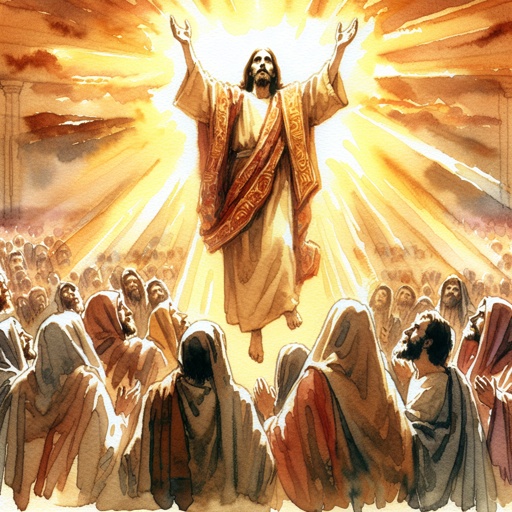
Jesus said, ‘What if you should see the Son of Man ascend to where he was before?’ (Jn 6:62)
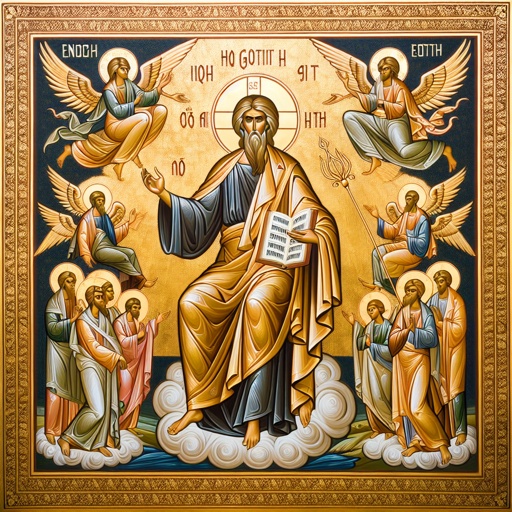

Psalms 62:1 - "Truly my soul waiteth upon God: from him cometh my salvation."

1 Chronicles 3:6 - "Ibhar also, and Elishama, and Eliphelet,"

1 Chronicles 6:25 - "And the sons of Elkanah; Amasai, and Ahimoth."

1 Chronicles 6:16 - "¶ The sons of Levi; Gershom, Kohath, and Merari."

1 Chronicles 6:17 - "And these be the names of the sons of Gershom; Libni, and Shimei."

1 Chronicles 6:28 - "And the sons of Samuel; the firstborn Vashni, and Abiah."

Isaiah 62:6 - "I have set watchmen upon thy walls, O Jerusalem, which shall never hold their peace day nor night: ye that make mention of the LORD, keep not silence,"

1 Chronicles 6:58 - "And Hilen with her suburbs, Debir with her suburbs,"

1 Chronicles 6:12 - "And Ahitub begat Zadok, and Zadok begat Shallum,"

1 Chronicles 6:45 - "The son of Hashabiah, the son of Amaziah, the son of Hilkiah,"

1 Chronicles 6:11 - "And Azariah begat Amariah, and Amariah begat Ahitub,"

1 Chronicles 6:14 - "And Azariah begat Seraiah, and Seraiah begat Jehozadak,"

1 Chronicles 7:6 - "¶ The sons of Benjamin; Bela, and Becher, and Jediael, three."

1 Chronicles 6:53 - "Zadok his son, Ahimaaz his son."