What does 1 Chronicles 6:62 mean?
“And to the sons of Gershom throughout their families out of the tribe of Issachar, and out of the tribe of Asher, and out of the tribe of Naphtali, and out of the tribe of Manasseh in Bashan, thirteen cities.” — 1 Chronicles 6:62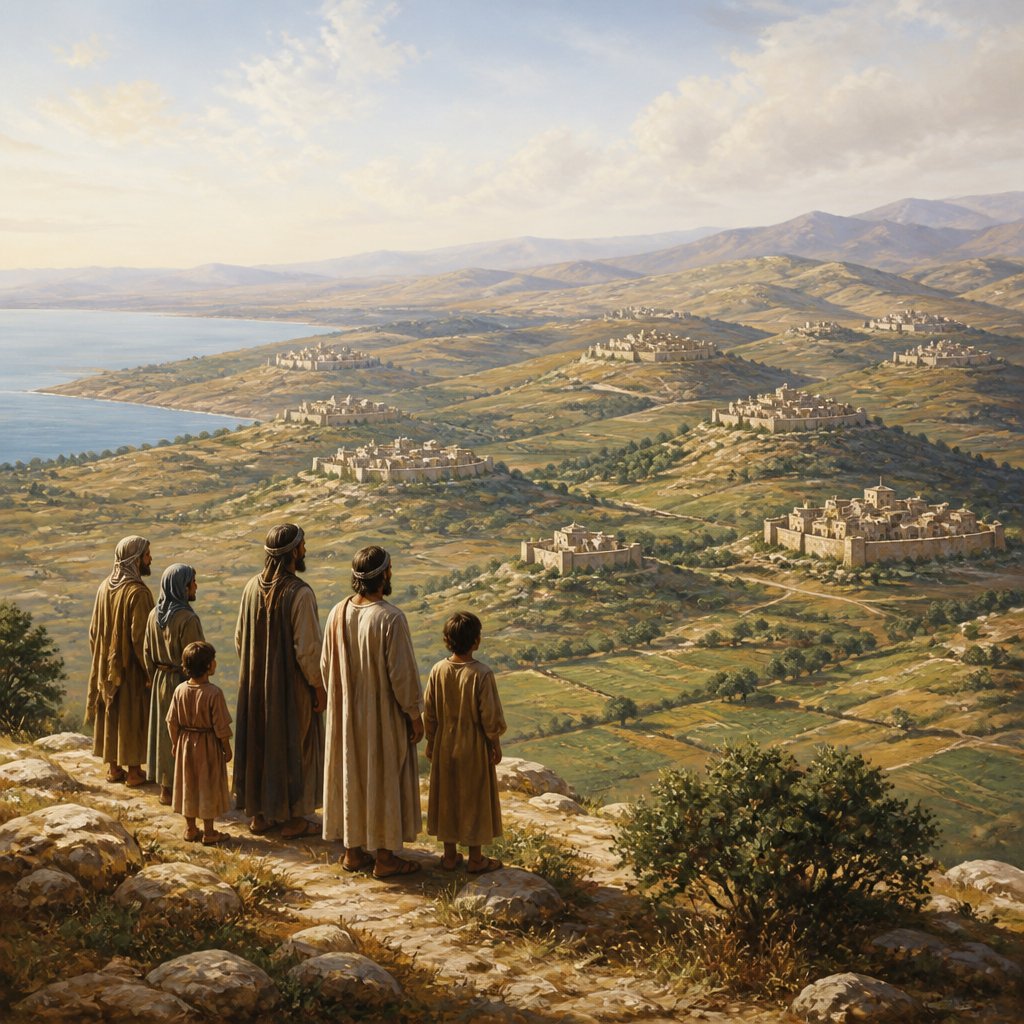
As per your request, I'll be analyzing 1 Chronicles 6:62 from the King James Version (KJV) of the Bible:
1 Chronicles 6:62 (KJV): "And to the sons of Gershom throughout their families out of the tribe of Issachar, and out of the tribe of Asher, and out of the tribe of Naphtali, and out of the tribe of Manasseh in Bashan, thirteen cities."
This verse is part of the lineage of the Levites, the priestly tribe of Israel. The passage outlines the allocation of cities to the sons of Gershom, who were one of the three main branches of the Levites. This division is significant in understanding the roles and responsibilities of the Levites as they served in the tabernacle and later the temple.
To provide a comprehensive commentary on this verse, it's essential to consider its broader context within the book of 1 Chronicles and the themes present throughout the Bible. The book of 1 Chronicles is a historical account that focuses on the lineage of the Israelites, particularly the genealogy of the tribes of Israel and the establishment of the priesthood.
In this specific verse, the allocation of cities to the sons of Gershom illustrates the fulfillment of God's promise to the Levites. The Levites, descended from Levi, one of the twelve sons of Jacob, were chosen by God to serve as priests and caretakers of the tabernacle. In Numbers 18:20, the Lord declares, "I am your portion and your inheritance among the people of Israel." This allocation of cities reaffirms the Levites' inheritance in the form of designated cities within the territories of the other tribes. The cities provided a place for the Levites to dwell and also served as centers for religious and educational activities.
Additionally, the distribution of cities from diverse tribal territories, including Issachar, Asher, Naphtali, and Manasseh, highlights the unity and interconnectedness of the twelve tribes of Israel. Despite their unique tribal identities, each tribe played a vital role in upholding the collective covenant with God. The inclusion of cities from various tribal territories also signifies the widespread presence and influence of the Levites throughout the land of Israel.
Symbolically, the allocation of cities to the Levites embodies the concept of stewardship and service. The Levites were entrusted with the spiritual well-being of the Israelites, and their role as caretakers of the tabernacle and teachers of the Law reflected their dedication to God's statutes. By designating cities for the Levites, God demonstrated His provision for those called to full-time ministry and underscored the importance of supporting those serving in sacred roles.
Furthermore, this verse exemplifies the faithfulness of God in fulfilling His promises. The allocation of cities to the Levites was a physical manifestation of God's covenant with the descendants of Levi. It served as a reminder that God honors His commitments and provides for His people according to His divine plan.
In a broader theological context, the verse aligns with the overarching Biblical theme of God's faithfulness and the establishment of His kingdom on earth. The allocation of cities to the Levites symbolizes the presence of God's kingdom within the territories of Israel. It highlights the significance of worship, education, and spiritual guidance in the daily lives of the Israelites, emphasizing the importance of integrating faith into every aspect of society.
In conclusion, 1 Chronicles 6:62 from the King James Version of the Bible serves as a testament to God's faithfulness, the interconnectedness of the tribes of Israel, and the significance of the Levitical priesthood in upholding the religious and social fabric of the nation. Through the allocation of cities to the sons of Gershom, this verse underscores the enduring presence of God's kingdom and His provision for those called to serve in His sanctuary. It stands as a reminder of the divine covenant and the fulfillment of God's promises to His people.
Get our apps


Artwork for 1 Chronicles 6:62

1 Chronicles 6:62 - "And to the sons of Gershom throughout their families out of the tribe of Issachar, and out of the tribe of Asher, and out of the tribe of Naphtali, and out of the tribe of Manasseh in Bashan, thirteen cities."
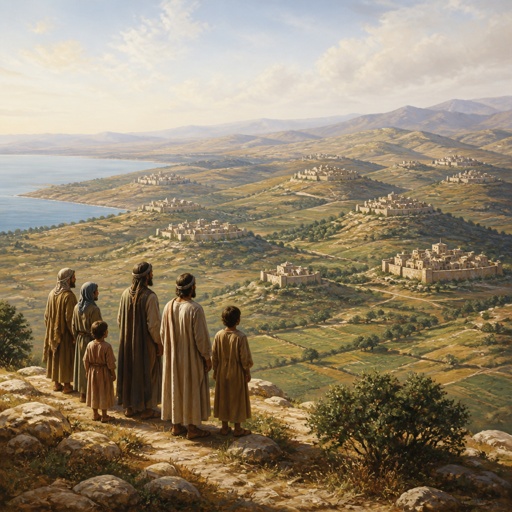
"And to the sons of Gershom throughout their families out of the tribe of Issachar, and out of the tribe of Asher, and out of the tribe of Naphtali, and out of the tribe of Manasseh in Bashan, thirteen cities." - 1 Chronicles 6:62

1 Chronicles 6:2 - "And the sons of Kohath; Amram, Izhar, and Hebron, and Uzziel."

"And the sons of Kohath; Amram, Izhar, and Hebron, and Uzziel." - 1 Chronicles 6:2

ISAIAH 62:1

John 6:62 - "What and if ye shall see the Son of man ascend up where he was before?"

Psalms 62:6 - "He only is my rock and my salvation: he is my defence; I shall not be moved."

2 Chronicles 6:2 - "But I have built an house of habitation for thee, and a place for thy dwelling for ever."

1 Chronicles 6:6 - "And Uzzi begat Zerahiah, and Zerahiah begat Meraioth,"

1 Kings 8:62 - "¶ And the king, and all Israel with him, offered sacrifice before the LORD."

1 Chronicles 1:6 - "And the sons of Gomer; Ashchenaz, and Riphath, and Togarmah."

1 Chronicles 6:1 - "The sons of Levi; Gershon, Kohath, and Merari."

Luke 1:62 - "And they made signs to his father, how he would have him called."

1 Chronicles 14:6 - "And Nogah, and Nepheg, and Japhia,"
Jesus said, ‘What if you should see the Son of Man ascend to where he was before?’ (Jn 6:62)

Psalms 62:1 - "Truly my soul waiteth upon God: from him cometh my salvation."

1 Chronicles 3:6 - "Ibhar also, and Elishama, and Eliphelet,"

1 Chronicles 6:25 - "And the sons of Elkanah; Amasai, and Ahimoth."

1 Chronicles 6:16 - "¶ The sons of Levi; Gershom, Kohath, and Merari."

1 Chronicles 6:17 - "And these be the names of the sons of Gershom; Libni, and Shimei."

1 Chronicles 6:28 - "And the sons of Samuel; the firstborn Vashni, and Abiah."

Isaiah 62:6 - "I have set watchmen upon thy walls, O Jerusalem, which shall never hold their peace day nor night: ye that make mention of the LORD, keep not silence,"

1 Chronicles 6:58 - "And Hilen with her suburbs, Debir with her suburbs,"

1 Chronicles 6:12 - "And Ahitub begat Zadok, and Zadok begat Shallum,"

1 Chronicles 6:45 - "The son of Hashabiah, the son of Amaziah, the son of Hilkiah,"

1 Chronicles 6:11 - "And Azariah begat Amariah, and Amariah begat Ahitub,"

1 Chronicles 6:14 - "And Azariah begat Seraiah, and Seraiah begat Jehozadak,"

1 Chronicles 7:6 - "¶ The sons of Benjamin; Bela, and Becher, and Jediael, three."

1 Chronicles 6:53 - "Zadok his son, Ahimaaz his son."