The Heritage of Gibeon: Reflecting on Our Ancestry in Faith
“And at Gibeon dwelt the father of Gibeon; whose wife’s name was Maachah:” — 1 Chronicles 8:29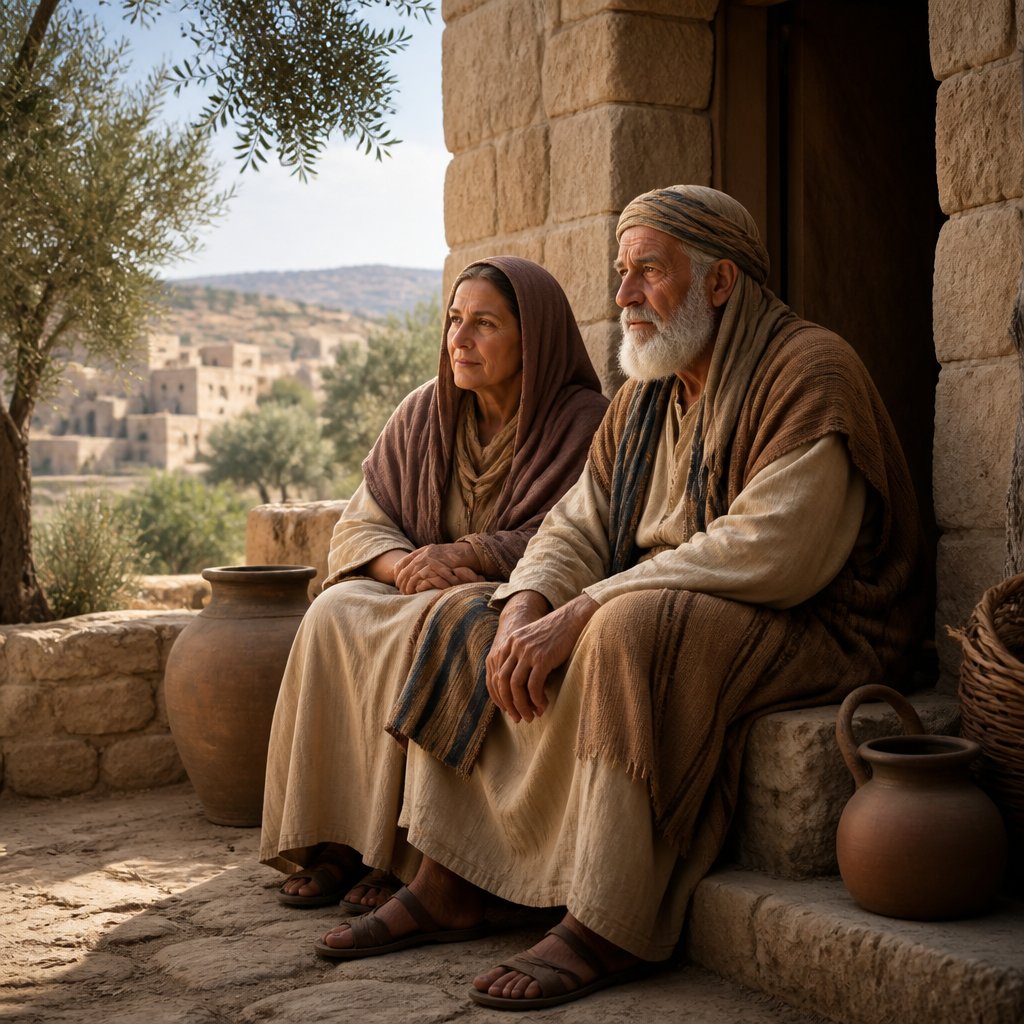
**Scripture Reference: 1 Chronicles 8:29**
*"And at Gibeon dwelt the father of Gibeon; whose wife's name was Maachah."*
As we delve into the richness of God’s word, it is essential to pay close attention to the context of scripture, the backgrounds of individuals mentioned, and the significant roles they play within the larger narrative of salvation history. In this brief yet profound verse, we encounter Gibeon and his family, highlighting not just a geographical location but also a legacy of faith and service.
**The Significance of Gibeon**
Gibeon, a city of the Hivites, was strategically placed within the territory of Benjamin. It was not only a center for worship but also a place of covenant and leadership, especially during the time of King David. This verse reveals that Gibeon was more than just a location; it was inhabited by individuals with stories, traditions, and connections that contributed to the broader narrative of Israel’s journey. Here, we find the father of Gibeon, the patriarch who led his people and instilled in them values of community, commitment, and faithfulness.
The surname ‘the Gibeonite’ resonates throughout Scripture, marking his descendants as a group that played vital roles during crucial junctures in Israel's history. This reminds us today of the importance of family legacies. How often do we reflect on the values passed down through generations? In many ways, our faith is fortified by the experiences and teachings of those who have come before us.
**The Legacy of Maachah**
The wife of Gibeon, Maachah, is equally noteworthy in this narrative. Her mention underscores the significant role women played in the biblical texts, often serving as pillars of strength, wisdom, and grace. The inclusion of her name challenges us to consider our attitudes towards familial roles and the value we place on the contributions of every family member, irrespective of the era or societal norms.
Maachah's presence in this account symbolizes the supportive and integral role of the spouse in nurturing faith within the home. Together, Gibeon and Maachah likely exemplified a partnership built on mutual respect, shared faith, and commitment to their community. As we consider our relationships, it's vital to reflect on how we can encourage one another in our spiritual journeys. Are we fostering a home environment where faith is celebrated and nurtured?
**Reflecting on Our Heritage**
Gibeon’s dwelling in Gibeon resonates with the reality that our physical and spiritual dwellings often overlap. Where we choose to settle or where we are rooted speaks volumes about our priorities and choices. As believers, we are called to 'dwell' in places of faith rather than simply occupy space; we are to inhabit the promises of God actively.
In the New Testament, we see that our faith community, much like Gibeon, is meant to support and uplift one another. The Apostle Paul often stressed the need for families in Christ to work together, building a legacy of love, support, and adherence to God’s word. The Gibeonites' knowledge of their ancestry should challenge us to recognize our inheritance: a community of believers chosen and loved by God.
**Conclusion: Building a Lasting Legacy**
In reflecting on the lives of Gibeon and Maachah, we are encouraged to think about the legacy we are building for future generations. Do our actions reflect a commitment to faith? Are we nurturing a spiritual heritage that honors God and encourages those around us? Let us strive to be the kind of examples Gibeon and Maachah represent, working together in faith, supporting one another, and creating a heritage that glorifies God and embodies His love in all we do.
In prayer, seek the Lord to illuminate your heart towards your family history and your place within the community of believers. May we all dwell in the Gibeons of our lives, ensuring that our stories—woven together—reflect the everlasting faithfulness of our God.
Get our apps


Artwork for 1 Chronicles 8:29

1 Chronicles 8:29 - "And at Gibeon dwelt the father of Gibeon; whose wife's name was Maachah:"

"And at Gibeon dwelt the father of Gibeon; whose wife's name was Maachah:" - 1 Chronicles 8:29

1 Chronicles 29:8 - "And they with whom precious stones were found gave them to the treasure of the house of the LORD, by the hand of Jehiel the Gershonite."

1 Chronicles 4:29 - "And at Bilhah, and at Ezem, and at Tolad,"

1 Chronicles 1:29 - "¶ These are their generations: The firstborn of Ishmael, Nebaioth; then Kedar, and Adbeel, and Mibsam,"

1 Chronicles 11:29 - "Sibbecai the Hushathite, Ilai the Ahohite,"

1 Chronicles 24:29 - "Concerning Kish: the son of Kish was Jerahmeel."
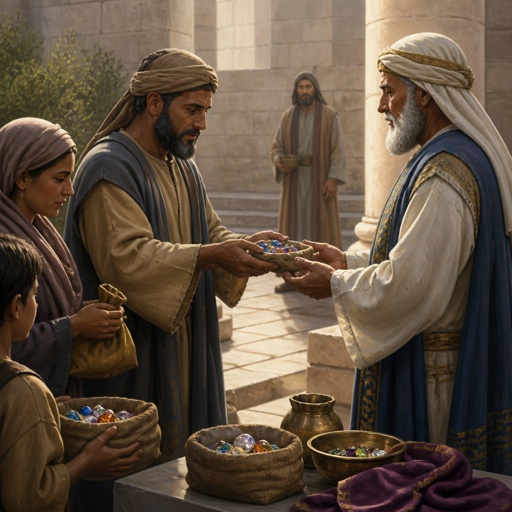
"And they with whom precious stones were found gave them to the treasure of the house of the LORD, by the hand of Jehiel the Gershonite." - 1 Chronicles 29:8

1 Chronicles 29:29 - "Now the acts of David the king, first and last, behold, they are written in the book of Samuel the seer, and in the book of Nathan the prophet, and in the book of Gad the seer,"

1 Chronicles 29:26 - "¶ Thus David the son of Jesse reigned over all Israel."

2 Chronicles 29:8 - "Wherefore the wrath of the LORD was upon Judah and Jerusalem, and he hath delivered them to trouble, to astonishment, and to hissing, as ye see with your eyes."

"And at Bilhah, and at Ezem, and at Tolad," - 1 Chronicles 4:29

1 Chronicles 2:29 - "And the name of the wife of Abishur was Abihail, and she bare him Ahban, and Molid."

1 Chronicles 25:29 - "The two and twentieth to Giddalti, he, his sons, and his brethren, were twelve:"

1 Chronicles 16:29 – "Ascribe to the Lord the glory due his name; bring an offering and come before him."

1 Chronicles 29:13 - "Now therefore, our God, we thank thee, and praise thy glorious name."

1 Chronicles 26:29 - "¶ Of the Izharites, Chenaniah and his sons were for the outward business over Israel, for officers and judges."

"Sibbecai the Hushathite, Ilai the Ahohite," - 1 Chronicles 11:29

1 Chronicles 1:8 - "¶ The sons of Ham; Cush, and Mizraim, Put, and Canaan."

1 Chronicles 8:31 - "And Gedor, and Ahio, and Zacher."

1 Chronicles 8:20 - "And Elienai, and Zilthai, and Eliel,"

1 Chronicles 8:19 - "And Jakim, and Zichri, and Zabdi,"

1 Chronicles 8:24 - "And Hananiah, and Elam, and Antothijah,"

1 chronicles 12:8

1 Chronicles 6:29 - "The sons of Merari; Mahli, Libni his son, Shimei his son, Uzza his son,"

1 Kings 14:29 - "¶ Now the rest of the acts of Rehoboam, and all that he did, are they not written in the book of the chronicles of the kings of Judah?"

1 Chronicles 8:2 - "Nohah the fourth, and Rapha the fifth."

1 Chronicles 8:26 - "And Shamsherai, and Shehariah, and Athaliah,"

1 Chronicles 8:5 - "And Gera, and Shephuphan, and Huram."

1 Chronicles 8:22 - "And Ishpan, and Heber, and Eliel,"