The Divine Choice: Understanding God’s Use of the Underdog
“And base things of the world, and things which are despised, hath God chosen, yea, and things which are not, to bring to nought things that are:” — 1 Corinthians 1:28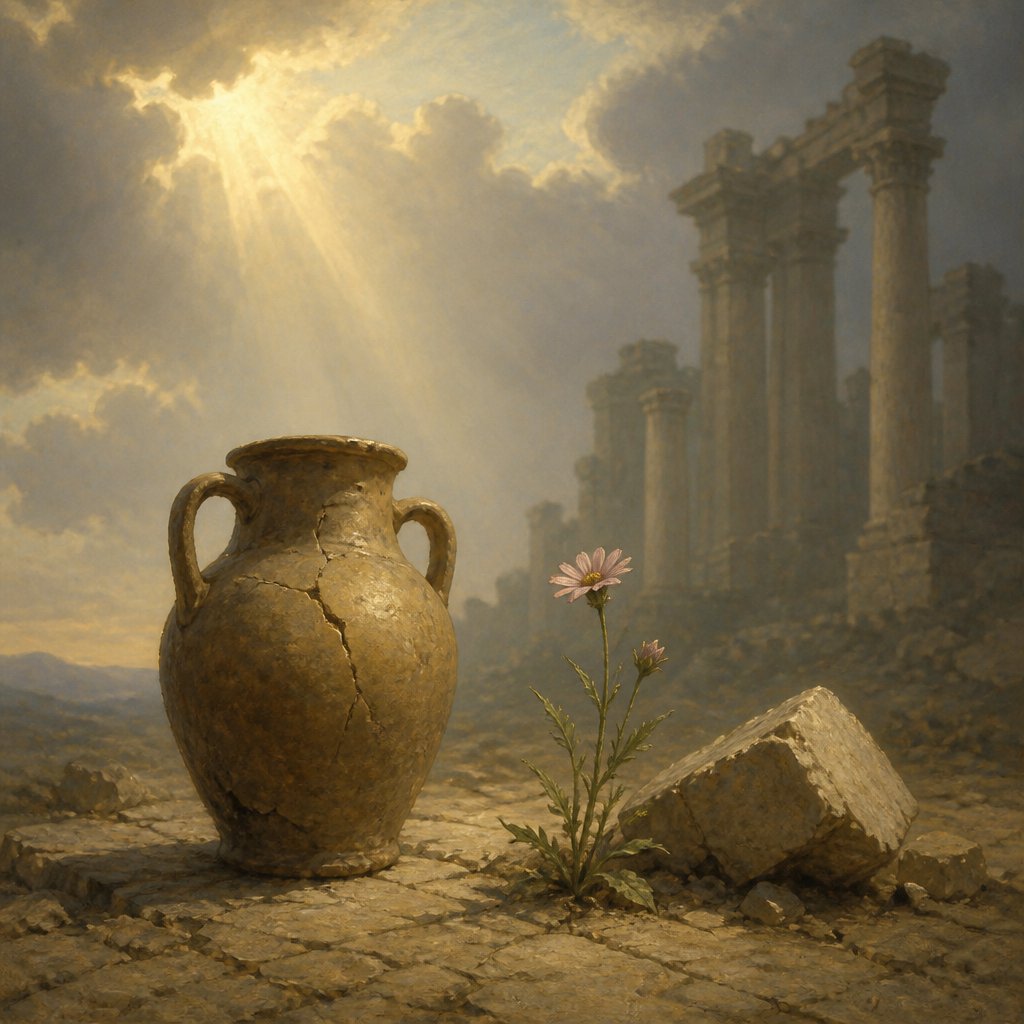
In the hustle and bustle of our daily lives, we often measure worth by the standards of this world—wealth, fame, intellect, and social status. However, 1 Corinthians 1:28 presents a radical paradigm shift that reveals God's sovereign choice in employing the 'base things of the world' and 'things which are despised' for His divine purposes. Deeply rooted in this scripture is the truth that God deliberately selects the overlooked and the marginalized to display His power and wisdom.
The Apostle Paul, writing to the church in Corinth, underscores the paradox that God's methods often contradict human expectations. The phrase 'base things of the world' speaks to those who lack prominence and prestige. In a world that idolizes success and accomplishment, God chooses to raise up the humble and the lowly. Throughout scripture, this theme is prevalent. Consider David, the shepherd boy overlooked by his family, who became Israel's greatest king. Or Moses, who presented himself as unworthy and inadequate, yet became the leader who delivered Israel from slavery.
Furthermore, the 'things which are despised' refers to individuals and ideas that society dismisses as worthless. In Jesus’ own ministry, He often associated with the outcasts—tax collectors, prostitutes, and lepers. He consistently challenged the societal norms that sought to elevate the privileged while marginalizing the weak. Jesus' embrace of the downtrodden highlights the astonishing truth of 1 Corinthians 1:28:
"And base things of the world, and things which are despised, hath God chosen, yea, and things which are not, to bring to nought things that are."
This verse not only asserts God’s sovereign choice but also speaks to the power of God to subvert expectations. The last phrase ’to bring to nought things that are’ poignantly reveals that God’s strategies are designed to dismantle the pride and arrogance of those who rely solely on their human achievements. The wisdom of the wise, the strength of the mighty, and the status of the worldly elite are nothing before God’s grand design. He brings down a whole system that boasts in its own greatness through the seemingly insignificant and inconsequential. Paul points this out for a reason; he wants us to re-evaluate what we hold as important, what we strive after, and where we locate our significance.
In our daily struggles, we often find ourselves relating more to the 'things which are not'—those aspirations, dreams, and identities that feel invisible or unrealized. God’s word assures us that even if we feel unworthy or insignificant, we are exactly the kind of vessel He can use for His kingdom. Our inadequacies can become platforms for His adequacy. When we feel weak, we become reliant on His strength, which can accomplish far more than we could ever imagine.
By understanding this truth, we can begin to see the majesty of God's grace. The very qualities that the world disregards—our scars, our failures, our humble circumstances—can become the tools through which God writes His story. That story is often a tale of redemption, reconciliation, and restoration; a testimony of how the unlikely can become the important in God’s kingdom.
In closing, let us let go of the world’s markers for success. Instead, embrace being chosen not because of our merits but because of God’s immense love and purpose. Each of us carries unique stories of ‘things which are not’—embrace them fully, for through these God might just be ready to do something remarkable. Trust in His choices, for His ways are far higher than ours.
Let us celebrate our place in God’s master plan, fulfilled in the revelation that the true strength lies not in what is seen but in trusting the unseen hand who orchestrates all things for His glory.
Get our apps


Artwork for 1 Corinthians 1:28

1 Corinthians 1:28 - "And base things of the world, and things which are despised, hath God chosen, yea, and things which are not, to bring to nought things that are:"

1 Corinthians 1:28-29 - "God chose what is low and despised in the world, even things that are not, to bring to nothing things that are, so that no human being might boast in the presence of God."
"And base things of the world, and things which are despised, hath God chosen, yea, and things which are not, to bring to nought things that are:" - 1 Corinthians 1:28
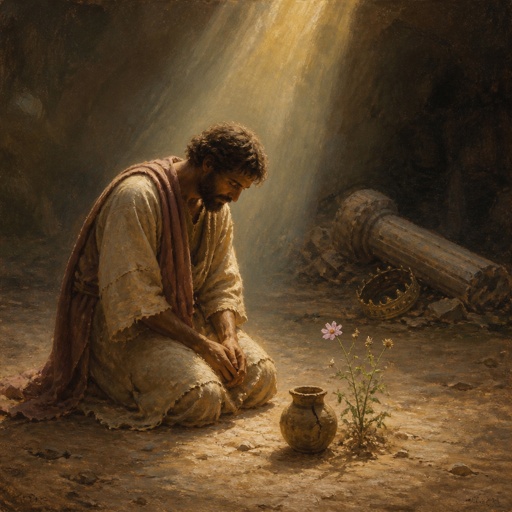
"God chose what is low and despised in the world, even things that are not, to bring to nothing things that are, so that no human being might boast in the presence of God." - 1 Corinthians 1:28-29

1 Corinthians 11:28 - "But let a man examine himself, and so let him eat of that bread, and drink of that cup."

1 Corinthians 14:28 - "But if there be no interpreter, let him keep silence in the church; and let him speak to himself, and to God."

1 Corinthians 7:28 - "But and if thou marry, thou hast not sinned; and if a virgin marry, she hath not sinned. Nevertheless such shall have trouble in the flesh: but I spare you."

1 Corinthians 10:28 - "But if any man say unto you, This is offered in sacrifice unto idols, eat not for his sake that shewed it, and for conscience sake: for the earth is the Lord's, and the fulness thereof:"
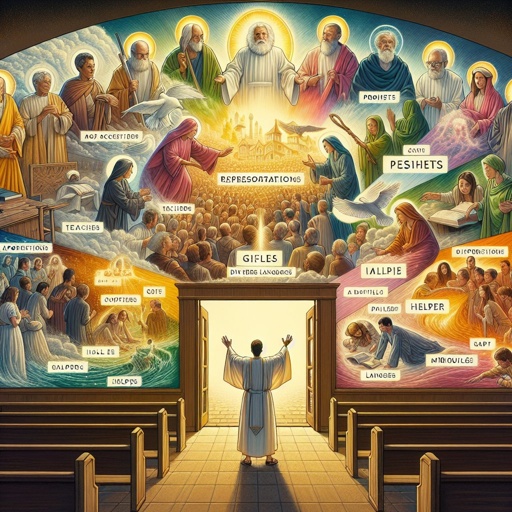
1 Corinthians 12:28 - "And God hath set some in the church, first apostles, secondarily prophets, thirdly teachers, after that miracles, then gifts of healings, helps, governments, diversities of tongues."

1 Corinthians 15:28 - "And when all things shall be subdued unto him, then shall the Son also himself be subject unto him that put all things under him, that God may be all in all."

1 Corinthians 1:19-20

1 Corinthians 1:19-20

1 Corinthians 1:19-20

1 Corinthians 1:19-20

1 Corinthians 1:19-20

1 Corinthians 1:19-20

1 Corinthians 1:19-20

1 Corinthians 1:19-20

1 Corinthians 1:19-20

1 Corinthians 1:19-20
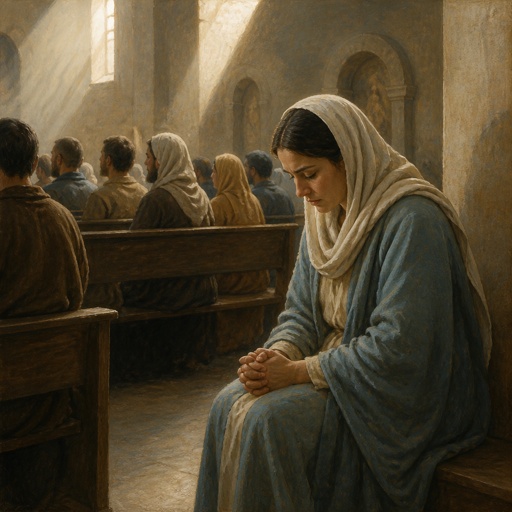
"But if there be no interpreter, let him keep silence in the church; and let him speak to himself, and to God." - 1 Corinthians 14:28

"But let a man examine himself, and so let him eat of that bread, and drink of that cup." - 1 Corinthians 11:28

1 Corinthians 1:19-20

1 Corinthians 1:19-20

1 Corinthians 1:19-20

1 Corinthians 1:19-20

1 Corinthians 1:19-20

1 Corinthians 1:19-20

1 Corinthians 1:19-20

1 Corinthians 1:19-20