Lessons from the Past: Embracing the Wisdom of Scripture
“Now all these things happened unto them for ensamples: and they are written for our admonition, upon whom the ends of the world are come.” — 1 Corinthians 10:11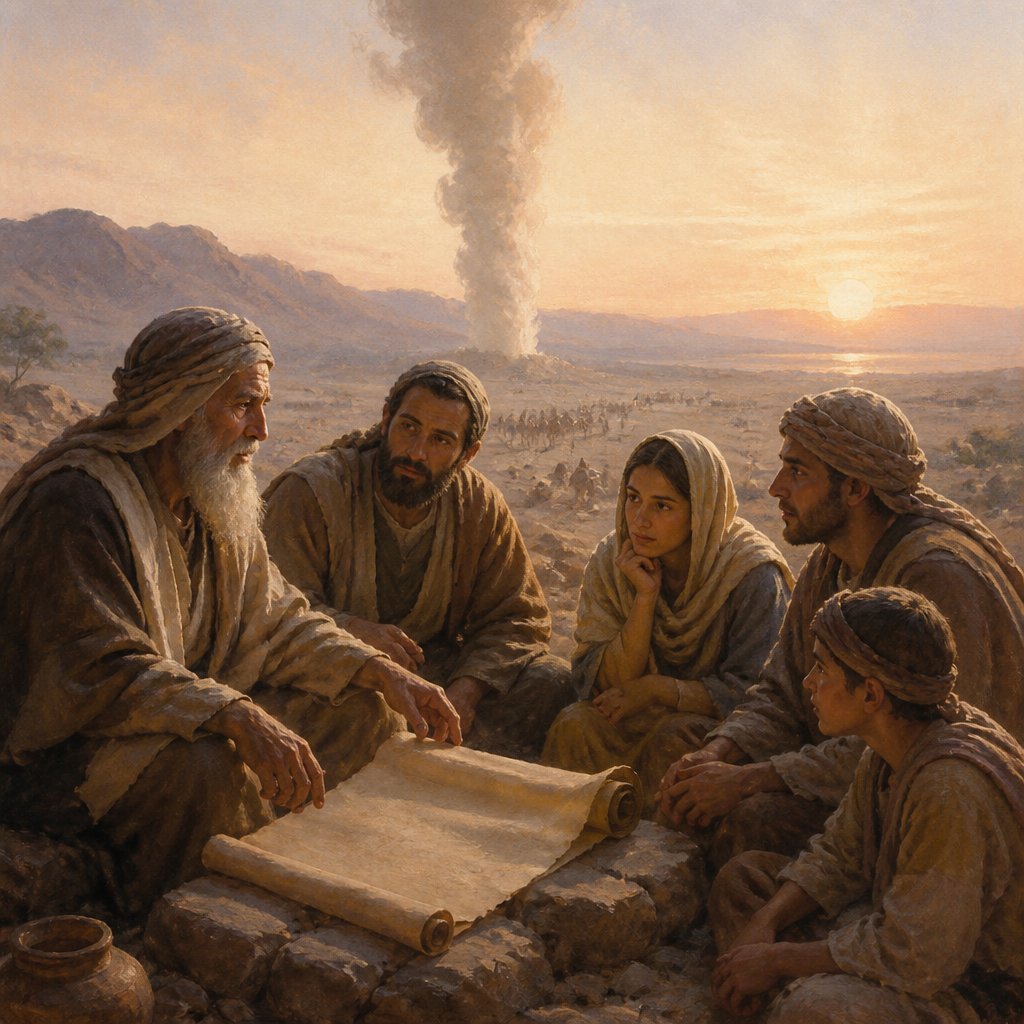
As we navigate the complexities of life, it can be tempting to view our challenges as isolated incidents, devoid of any broader significance. Yet, the Apostle Paul reminds us in 1 Corinthians 10:11, "Now all these things happened unto them for ensamples: and they are written for our admonition, upon whom the ends of the world are come." This verse serves as a profound invitation to delve into the ancient narratives preserved within Scripture, recognizing that they are not merely historical accounts but are replete with divine lessons meant to guide us in our current context.
To fully appreciate the richness of this passage, we must first understand the antecedent events that Paul refers to. In the preceding verses, he discusses the experiences of the Israelites during their journey through the wilderness—their deliverance from Egypt, the miraculous provision of manna, the giving of the law, and the struggles with idolatry and disbelief. Paul draws our attention to these pivotal moments in Israel’s history, indicating that they serve as "ensamples" for us. The term "ensample" implies a model or pattern from which we are to learn and glean insight. Essentially, Paul urges us not to overlook the significance of these events but to study them closely, discerning how they relate to our lives today.
As this epistle was addressed to a community in Corinth, a city characterized by moral laxity and cultural corruption, Paul’s admonition resonates deeply with our contemporary world. The phrase "upon whom the ends of the world are come" places us in a position of urgency. It reminds us that we are living in pivotal times, comparable to those faced by the ancient Israelites. Just as they encountered trials and temptations, so too are we confronted with challenges that test our faith and character. The lessons from their experiences are as relevant today as they were millennia ago.
In our modern context, it is essential to look at the pitfalls that led the Israelites astray—to idol worship, to rebellion against God’s authority, and to a lack of trust in His provision. Each of these missteps offers us a cautionary tale. For instance, when we reflect on their grievances while wandering in the desert (Exodus 16), we may see parallels in our own lives—a tendency to grumble about our circumstances rather than trust God's sovereign plan. We might come face to face with our discontent, question the path we are on, or adopt an attitude of entitlement, forgetting His endless provision.
Moreover, the notion of learning from the past underscores the importance of community and shared history. Just as the Israelites were part of a covenant community, we too are part of a faith community, called to support and admonish one another. Our collective stories, failures, and victories shape our identity as the Body of Christ. By sharing our testimonies, rooted in Scripture, we can encourage one another to remain steadfast, holding fast to the promises of God.
The call to admonition is not merely an archaic warning; it is an invitation into sober reflection and action. We are challenged to consider how we respond to our own trials. Do we emulate the faith and perseverance shown by figures such as Moses or Joshua, or do we find ourselves gravitating towards disbelief that leads to destruction?
Today, as we meditate on this verse, let us ponder the significance of those ancient stories in light of our present experiences. Let us draw strength from them and study carefully the lessons they convey. We must remain vigilant, ensuring that we do not repeat the mistakes of those who came before us but instead walk in faithfulness, learning from their examples.
In conclusion, let us embrace the invitation of 1 Corinthians 10:11 not merely as a reminder of the past but as a guiding light for our future. May we heed the warnings, celebrate the examples of faith, and strive to live lives that honor our Lord, especially as we await the culmination of His promise at the end of the age.
Get our apps


Artwork for 1 Corinthians 10:11

1 Corinthians 10:11 - "Now all these things happened unto them for ensamples: and they are written for our admonition, upon whom the ends of the world are come."
"Now all these things happened unto them for ensamples: and they are written for our admonition, upon whom the ends of the world are come." - 1 Corinthians 10:11

1 Corinthians 11:10 - "For this cause ought the woman to have power on her head because of the angels."
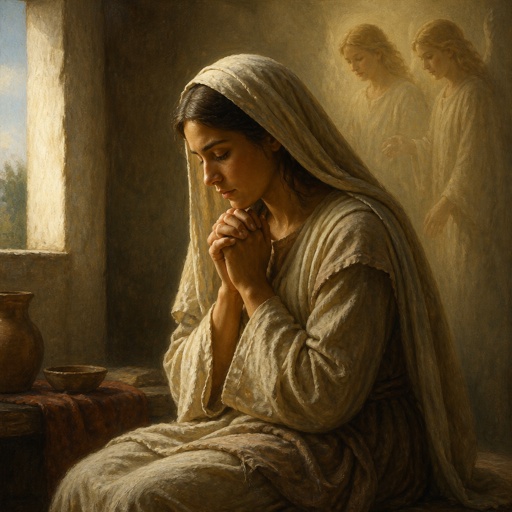
"For this cause ought the woman to have power on her head because of the angels." - 1 Corinthians 11:10

1 Corinthians 10:13

1 Corinthians 10:13

1 Corinthians 10:13

2 Corinthians 11:10 - "As the truth of Christ is in me, no man shall stop me of this boasting in the regions of Achaia."

1 Corinthians 11:8 - "For the man is not of the woman; but the woman of the man."

1 Corinthians 11:1 - "Be ye followers of me, even as I also am of Christ."

1 Corinthians 10:26 - "For the earth is the Lord's, and the fulness thereof."

1 Corinthians 10:10 - "Neither murmur ye, as some of them also murmured, and were destroyed of the destroyer."

1 Corinthians 11:11 - "Nevertheless neither is the man without the woman, neither the woman without the man, in the Lord."

1 Corinthians 7:10-11 - "To the married I give this command (not I, but the Lord): A wife must not separate from her husband. But if she does, she must remain unmarried or else be reconciled to her husband. And a husband must not divorce his wife."

1 Corinthians 15:8-11

1 Corinthians 11:26-29

1 Corinthians 11:26-29

2 Corinthians 10:11 - "Let such an one think this, that, such as we are in word by letters when we are absent, such will we be also in deed when we are present."

1 Corinthians 10:3 - "And did all eat the same spiritual meat;"

1 Corinthians 11:9 - "Neither was the man created for the woman; but the woman for the man."

1 Corinthians 11:31 - "For if we would judge ourselves, we should not be judged."

1 Corinthians 10:14 - "Wherefore, my dearly beloved, flee from idolatry."

1 Corinthians 11:30 - "For this cause many are weak and sickly among you, and many sleep."

1 Corinthians 10:2 - "And were all baptized unto Moses in the cloud and in the sea;"

1 Corinthians 10:25 - "Whatsoever is sold in the shambles, that eat, asking no question for conscience sake:"

1 Corinthians 11:13 - "Judge in yourselves: is it comely that a woman pray unto God uncovered?"

1 Corinthians 10:5 - "But with many of them God was not well pleased: for they were overthrown in the wilderness."

1 Corinthians 10:24 - "Let no man seek his own, but every man another's wealth."

1 Corinthians 10:15 - "I speak as to wise men; judge ye what I say."

1 Corinthians 11:20 - "When ye come together therefore into one place, this is not to eat the Lord's supper."