Discerning the Body: A Call to Reverence and Reflection
“For he that eateth and drinketh unworthily, eateth and drinketh damnation to himself, not discerning the Lord’s body.” — 1 Corinthians 11:29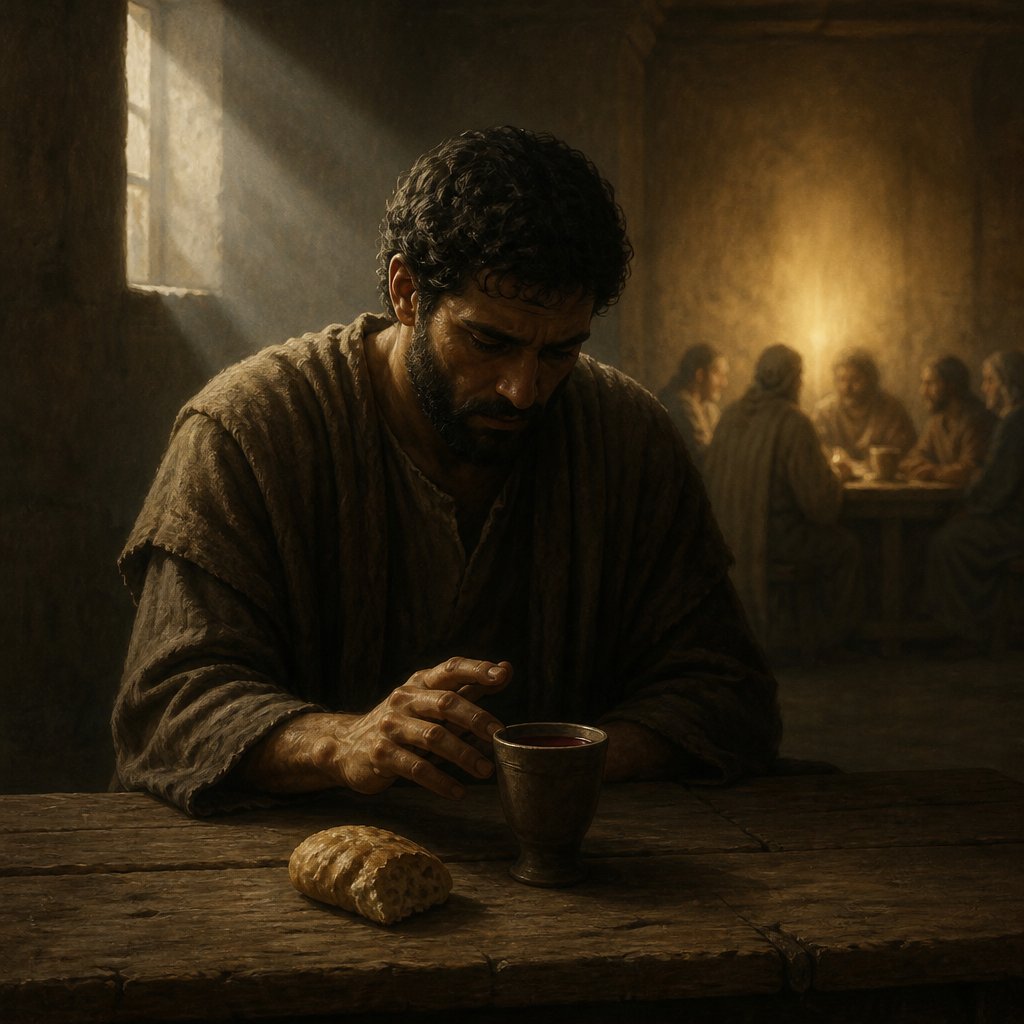
In the heart-stirring exhortation found in 1 Corinthians 11:29, the Apostle Paul delivers a sobering reminder about the sacredness of the communion experience: “For he that eateth and drinketh unworthily, eateth and drinketh damnation to himself, not discerning the Lord's body.” This verse warrants a deep dive into understanding its context, significance, and implications for our lives as followers of Christ.
The backdrop of Paul’s letter to the Corinthian church presents a community struggling with divisions, improper behaviors, and misunderstandings regarding the Lord’s Supper. The church was marked by a lack of discernment in their gatherings, leading to practices that were not only irreverent but also harmful to their spiritual wellbeing. Paul, speaking as an apostle with the authority of scripture, emphasizes the serious consequences of approaching the table of the Lord with a heart unprepared and undisciplined.
To eat and drink unworthily is more than merely being physically present; it is an attitude, a condition of the heart. To discern the Lord’s body means to recognize and appreciate the profound significance of what communion truly represents. In this holy act, we recall the sacrifice of Christ on the cross, where His body was broken and His blood was shed for the remission of our sins. This ordinance serves as a reminder not only of His immense love but also of our need for repentance and humility before a holy God.
When we refuse to properly discern the body of Christ, we risk trivializing this sacrament and the sacred covenant established between God and humanity. Such carelessness is not without consequence; Paul warns that these actions can lead to condemnation and judgment. This statement brings to light the truth that our spiritual lives carry weight and that our actions have repercussions beyond our understanding. This is a call to self-examination and earnest reflection. The stakes are high, yet the grace of God lovingly invites us to reconcile and to be mindful of our approach to Him.
As we partake in communion, we must first silence the distractions of our lives and enter into a posture of worship and meditation. This involves an honest appraisal of our hearts and thoughts. Are we holding onto bitterness, strife, or unrepentant sin? Are we coming to the communion table merely out of routine, or do we recognize the fullness of its meaning? As Paul urges in the preceding verses, we must examine ourselves so that we do not take part in the sacred elements of communion any less than fully aware of their importance.
One may wonder how to effectively discern the Lord’s body in their lives daily. It begins with prayerful introspection, asking the Holy Spirit to illuminate any areas where we might be approaching communion—or God Himself—unworthily. This inward work of examining our motives, our relationships with others, and our love for God must be at the forefront.
In the act of communion, we also need to remember that Christ’s death was not an isolated event but a unifying force for the body of Christ—believers joined as one in Him. This sense of community reminds us that as we partake, we’re called not only to reflect on our own hearts but also to consider the body of believers worldwide. Our actions here can shape not just our own spiritual welfare, but that of our brothers and sisters within the body of Christ.
In closing, let us approach the table with a heart that acknowledges the weight of our actions, fully aware of the grace that covers our shortcomings. As we do so, may we embody the true essence of communion—reflecting Christ's love, remembering His sacrifice, and living out the reality of being part of His body, awaiting the day of His glorious return. Let us strive to eat and drink with hearts that truly honor Him, discerning the body, both in remembrance of Christ and in love for one another.
Get our apps


Artwork for 1 Corinthians 11:29

1 Corinthians 11:29 - "For he that eateth and drinketh unworthily, eateth and drinketh damnation to himself, not discerning the Lord's body." The image should not depict explicit or offensive content but be symbolic.
"For he that eateth and drinketh unworthily, eateth and drinketh damnation to himself, not discerning the Lord's body." - 1 Corinthians 11:29

1 Corinthians 11:26-29

1 Corinthians 11:26-29

2 Corinthians 11:29 - "Who is weak, and I am not weak? who is offended, and I burn not?"

1 Corinthians 1:29 - "That no flesh should glory in his presence."

1 Corinthians 14:29 - "Let the prophets speak two or three, and let the other judge."

Jeremiah 29:11

1 Corinthians 12:29 - "Are all apostles? are all prophets? are all teachers? are all workers of miracles?"

"That no flesh should glory in his presence." - 1 Corinthians 1:29

1 Corinthians 11:8 - "For the man is not of the woman; but the woman of the man."
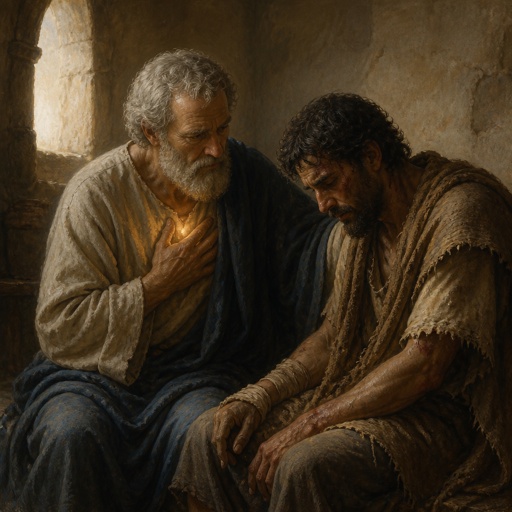
"Who is weak, and I am not weak? who is offended, and I burn not?" - 2 Corinthians 11:29

1 Corinthians 11:1 - "Be ye followers of me, even as I also am of Christ."

1 Corinthians 7:29 - "But this I say, brethren, the time is short: it remaineth, that both they that have wives be as though they had none;"

1 Chronicles 11:29 - "Sibbecai the Hushathite, Ilai the Ahohite,"

1 Corinthians 11:11 - "Nevertheless neither is the man without the woman, neither the woman without the man, in the Lord."

1 Corinthians 15:29 - "Else what shall they do which are baptized for the dead, if the dead rise not at all? why are they then baptized for the dead?"

1 Kings 11:29-32

1 Corinthians 15:8-11

1 Corinthians 10:29 - "Conscience, I say, not thine own, but of the other: for why is my liberty judged of another man's conscience?"

1 Corinthians 1:28-29 - "God chose what is low and despised in the world, even things that are not, to bring to nothing things that are, so that no human being might boast in the presence of God."

1 Corinthians 11:9 - "Neither was the man created for the woman; but the woman for the man."

1 Corinthians 11:31 - "For if we would judge ourselves, we should not be judged."

1 Corinthians 11:30 - "For this cause many are weak and sickly among you, and many sleep."

1 Corinthians 11:13 - "Judge in yourselves: is it comely that a woman pray unto God uncovered?"

1 Corinthians 11:10 - "For this cause ought the woman to have power on her head because of the angels."

1 Corinthians 11:20 - "When ye come together therefore into one place, this is not to eat the Lord's supper."

1 Corinthians 1:11 - "For it hath been declared unto me of you, my brethren, by them which are of the house of Chloe, that there are contentions among you."

1 Corinthians 11:32 - "But when we are judged, we are chastened of the Lord, that we should not be condemned with the world."

1 Corinthians 11:16 - "But if any man seem to be contentious, we have no such custom, neither the churches of God."