What does 1 Corinthians 11:29 mean?
“For he that eateth and drinketh unworthily, eateth and drinketh damnation to himself, not discerning the Lord’s body.” — 1 Corinthians 11:29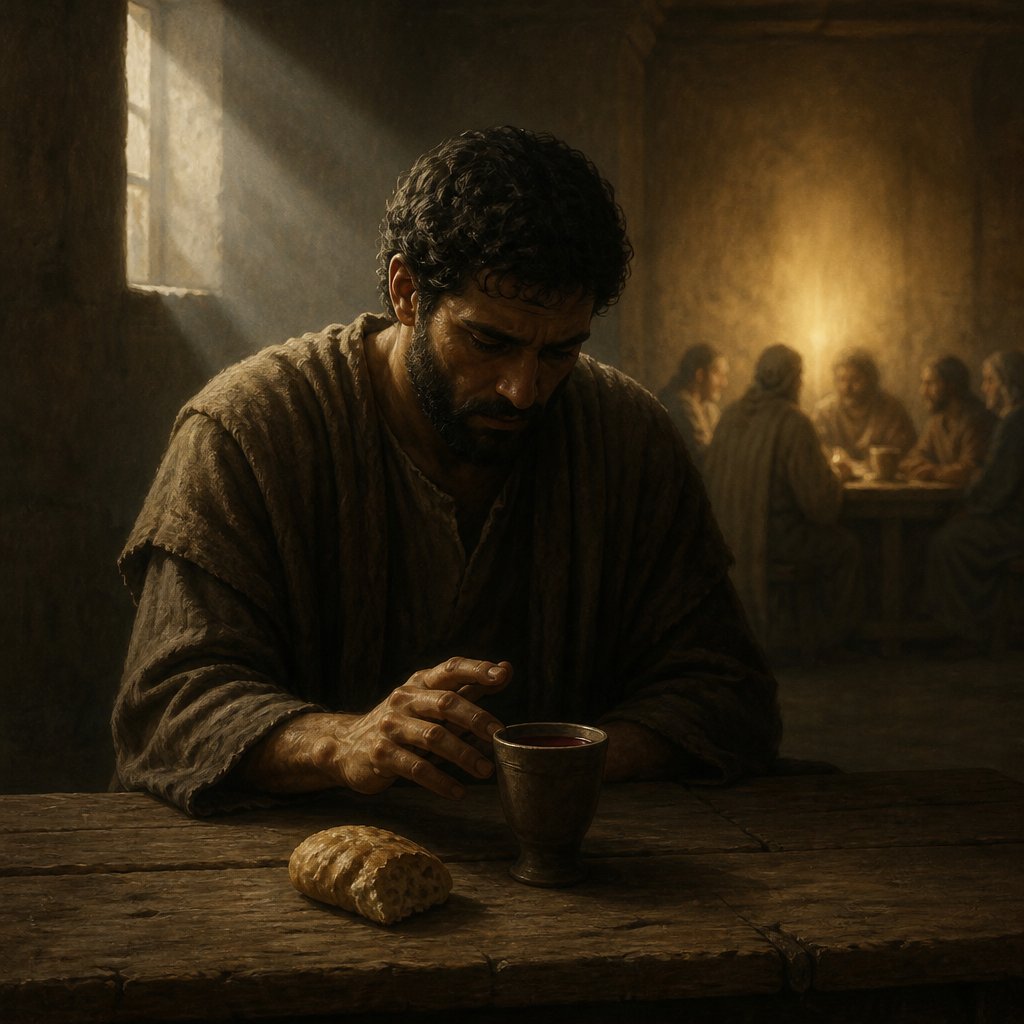
1 Corinthians 11:29 (KJV) states: “For he that eateth and drinketh unworthily, eateth and drinketh damnation to himself, not discerning the Lord's body.”
This verse is a part of the larger passage in 1 Corinthians 11 that focuses on the practice of the Lord’s Supper, or communion. The Apostle Paul wrote this letter to the Corinthian church to address various issues and concerns within the church, and this particular passage deals with the proper way to observe the Lord’s Supper.
The context of this verse is important in understanding its significance. In the verses leading up to 1 Corinthians 11:29, Paul chastises the Corinthian church for their misuse of the Lord’s Supper. He explains that when they come together to eat, they do not wait for one another and show no concern for others who are hungry or thirsty. Instead, they are focused on their own needs and desires, neglecting the significance of the communal aspect of the Lord’s Supper. Paul reminds them of the origins of the Lord’s Supper, which was instituted by Jesus during the Last Supper, and emphasizes the need for reverence and unity among the believers during this observance.
In verse 29, Paul warns about the serious consequences of approaching the Lord’s Supper in an unworthy manner. He states that those who eat and drink unworthily bring damnation upon themselves because they fail to discern the Lord’s body. This means that they do not recognize the profound significance of the body and blood of Christ, which are symbolically represented in the bread and wine of the communion. By partaking in the Lord’s Supper without proper reverence and understanding, they are guilty of disrespecting the sacrifice of Christ and are thus liable for judgment.
The themes present in this verse are numerous and significant. One of the key themes is the importance of reverence and respect for the body and blood of Christ, which are symbolized in the elements of the Lord’s Supper. This theme emphasizes the sacred and solemn nature of communion and the need for believers to approach it with humility and awe.
Another theme is the communal aspect of the Lord’s Supper. Paul emphasizes the need for believers to be mindful of one another and to wait for one another when partaking in the Lord’s Supper. This highlights the unity and fellowship that should be present among believers during this observance, as they remember and celebrate the sacrifice of Christ together.
The concept of judgment and damnation is also a significant theme in this verse. Paul’s warning about eating and drinking unworthily carries with it the idea of accountability and responsibility. Believers are reminded that their actions have consequences, and they are called to examine themselves and approach the Lord’s Supper with reverence and understanding.
Symbolism is also present in this verse, particularly in the imagery of the bread and wine representing the body and blood of Christ. This symbolism is a central aspect of the Lord’s Supper, reminding believers of the sacrificial death of Christ for the forgiveness of sins. The act of partaking in the bread and wine is a tangible and symbolic way for believers to remember and proclaim the gospel message.
In conclusion, 1 Corinthians 11:29 in the King James Version serves as a poignant reminder of the significance and solemnity of the Lord’s Supper. It underscores the need for believers to approach communion with reverence, humility, and a spirit of unity. It also serves as a sobering warning about the consequences of disregarding the sacred nature of this observance. This verse ultimately calls believers to examine their hearts and minds, discern the Lord’s body in the elements of communion, and partake in a manner that honors and glorifies Christ’s sacrifice.
Get our apps


Artwork for 1 Corinthians 11:29

1 Corinthians 11:29 - "For he that eateth and drinketh unworthily, eateth and drinketh damnation to himself, not discerning the Lord's body." The image should not depict explicit or offensive content but be symbolic.
"For he that eateth and drinketh unworthily, eateth and drinketh damnation to himself, not discerning the Lord's body." - 1 Corinthians 11:29

1 Corinthians 11:26-29

1 Corinthians 11:26-29

2 Corinthians 11:29 - "Who is weak, and I am not weak? who is offended, and I burn not?"

1 Corinthians 1:29 - "That no flesh should glory in his presence."

1 Corinthians 14:29 - "Let the prophets speak two or three, and let the other judge."

Jeremiah 29:11

1 Corinthians 12:29 - "Are all apostles? are all prophets? are all teachers? are all workers of miracles?"

"That no flesh should glory in his presence." - 1 Corinthians 1:29

1 Corinthians 11:8 - "For the man is not of the woman; but the woman of the man."
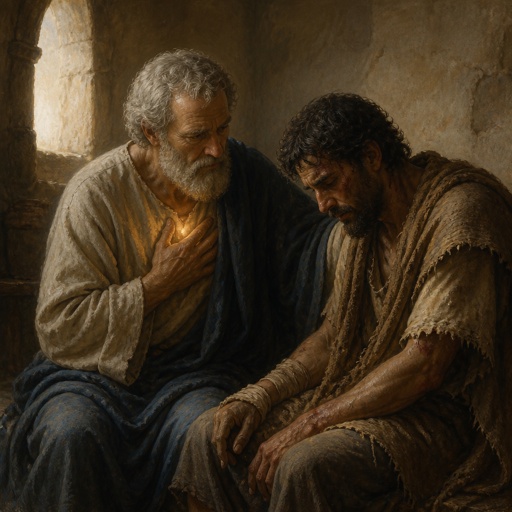
"Who is weak, and I am not weak? who is offended, and I burn not?" - 2 Corinthians 11:29

1 Corinthians 11:1 - "Be ye followers of me, even as I also am of Christ."

1 Corinthians 7:29 - "But this I say, brethren, the time is short: it remaineth, that both they that have wives be as though they had none;"

1 Chronicles 11:29 - "Sibbecai the Hushathite, Ilai the Ahohite,"

1 Corinthians 11:11 - "Nevertheless neither is the man without the woman, neither the woman without the man, in the Lord."

1 Corinthians 15:29 - "Else what shall they do which are baptized for the dead, if the dead rise not at all? why are they then baptized for the dead?"

1 Kings 11:29-32

1 Corinthians 15:8-11

1 Corinthians 10:29 - "Conscience, I say, not thine own, but of the other: for why is my liberty judged of another man's conscience?"

1 Corinthians 1:28-29 - "God chose what is low and despised in the world, even things that are not, to bring to nothing things that are, so that no human being might boast in the presence of God."

1 Corinthians 11:9 - "Neither was the man created for the woman; but the woman for the man."

1 Corinthians 11:31 - "For if we would judge ourselves, we should not be judged."

1 Corinthians 11:30 - "For this cause many are weak and sickly among you, and many sleep."

1 Corinthians 11:13 - "Judge in yourselves: is it comely that a woman pray unto God uncovered?"

1 Corinthians 11:10 - "For this cause ought the woman to have power on her head because of the angels."

1 Corinthians 11:20 - "When ye come together therefore into one place, this is not to eat the Lord's supper."

1 Corinthians 1:11 - "For it hath been declared unto me of you, my brethren, by them which are of the house of Chloe, that there are contentions among you."

1 Corinthians 11:32 - "But when we are judged, we are chastened of the Lord, that we should not be condemned with the world."

1 Corinthians 11:16 - "But if any man seem to be contentious, we have no such custom, neither the churches of God."