The Language of the Spirit: Understanding Divine Wisdom
“Which things also we speak, not in the words which man’s wisdom teacheth, but which the Holy Ghost teacheth; comparing spiritual things with spiritual.” — 1 Corinthians 2:13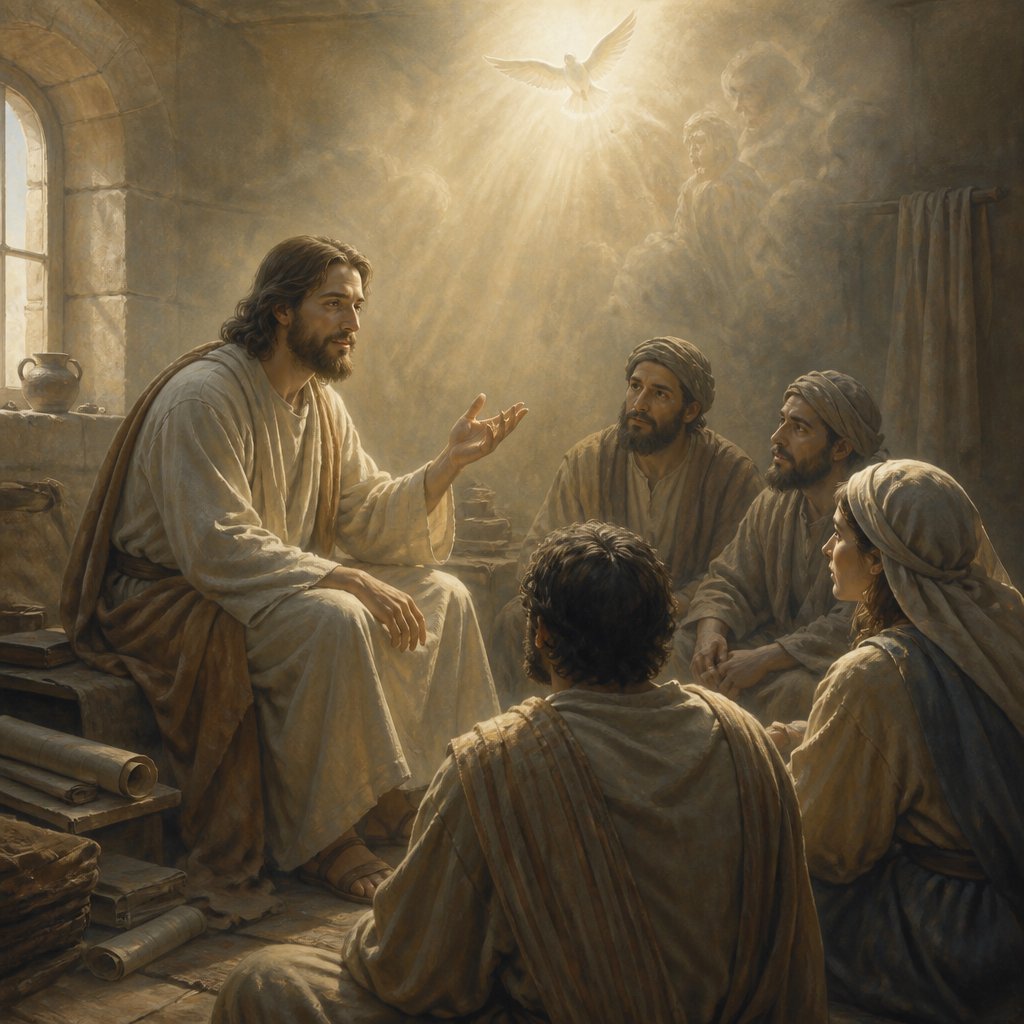
In a world filled with information, opinions, and endless sources of knowledge, the pursuit of truth can often feel overwhelming. We find ourselves grappling with the question of how to discern what is wise and what is merely noise. The Apostle Paul, in his first letter to the Corinthians, addresses this very concern in 1 Corinthians 2:13 (KJV): "Which things also we speak, not in the words which man's wisdom teacheth, but which the Holy Ghost teacheth; comparing spiritual things with spiritual."
This verse invites us to explore the profound difference between worldly wisdom and the wisdom that comes from the Holy Spirit. Paul emphasizes that the teachings of the Holy Ghost transcend the limitations of human intellect. This distinction is crucial for believers who seek to navigate the complexities of life while remaining grounded in divine truth.
**God's Wisdom vs. Human Wisdom**
The wisdom of man is often shaped by experiences, culture, and societal norms. It can fall prey to biases, limitations, and contradictions. In contrast, the wisdom imparted by the Holy Spirit is pure, unchanging, and rooted in God's ultimate plan for humanity. It enables us to see beyond the immediate circumstances and understand the deeper truths of our existence. As James 1:5 reminds us, "If any of you lack wisdom, let him ask of God, that giveth to all men liberally, and upbraideth not; and it shall be given him." Herein lies the invitation to seek divine wisdom, which is freely given to those who earnestly ask.
**The Role of the Holy Spirit**
The Holy Spirit plays a vital role in illuminating our understanding of spiritual matters. When we are led by the Spirit, we begin to discern the meaning of God's word and the ways He works in our lives. This transcendental understanding allows us to compare spiritual things with spiritual, as Paul states. It reveals to us how different spiritual truths interconnect and how they apply to our lives.
For example, consider the complexity of love. The world often depicts love in terms of romance, pleasure, or convenience, but the Holy Spirit teaches us that love is sacrificial, unconditional, and rooted in the character of God (1 Corinthians 13). This revelation transforms our approach to relationships, enabling us to love as Christ loved, rather than according to worldly definitions.
**Practical Implications**
As we engage with Scripture, it is crucial to approach it with a heart open to the Holy Spirit's teaching. We may gather all the theological knowledge possible, but without the Holy Spirit's guidance, our understanding remains incomplete. This is not to diminish the importance of studying the word of God; rather, it emphasizes the necessity of prayer and reliance on the Holy Spirit for comprehension.
Furthermore, when sharing our faith with others, we ought to remember that it is not the eloquence of our words that will convict hearts but the power of the Holy Spirit working through us. Our testimony is effective when it is rooted in the divine wisdom of the Spirit. As we engage in conversations, may we seek not to convey our wisdom but to speak the truth of God’s word as the Holy Spirit teaches us to do.
**Conclusion**
In summary, living according to the wisdom of the Holy Spirit sets us apart from the world. It enables us to make decisions that honor God and reflect our faith. 1 Corinthians 2:13 challenges us to be vessels of this wisdom—living, speaking, and acting not in our understanding but through the powerful teaching of the Holy Ghost. Let us daily invite the Holy Spirit into our lives, asking for the grace to comprehend and convey the mysteries of God, and may our lives be a testament to the wisdom that comes from above.
Get our apps


Artwork for 1 Corinthians 2:13

1 Corinthians 2:13 - "Which things also we speak, not in the words which man's wisdom teacheth, but which the Holy Ghost teacheth; comparing spiritual things with spiritual."
"Which things also we speak, not in the words which man's wisdom teacheth, but which the Holy Ghost teacheth; comparing spiritual things with spiritual." - 1 Corinthians 2:13
![1 Corinthians 13:13
1 Corinthians 13:13
[13] So now faith, hope, and love abide, these three; but the greatest of these is love. (ESV)](https://media.bible.art/3da57222-9f49-4158-a2a3-7a49b5dc4437-thumbnail.jpg)
1 Corinthians 13:13 1 Corinthians 13:13 [13] So now faith, hope, and love abide, these three; but the greatest of these is love. (ESV)

2 Corinthians 13:13 - "All the saints salute you."

1 Corinthians 13:13

1 Corinthians 13 :13

1 corinthians 2:12

1 corinthians 2:12

2 Corinthians 13:1 - "This is the third time I am coming to you. In the mouth of two or three witnesses shall every word be established."

2 Corinthians 13

1 corinthians 2:12

1 corinthians 2:12

1 Corinthians 13:4-6

1 Corinthians 13:4-6

1 Corinthians 13:4-6

1 Corinthians 13:4-6

1 Corinthians 13:4-6

1 Corinthians 13:4-6

1 Corinthians 13:4-6

1 Corinthians 13:4-6

1 Corinthians 13

1 Corinthians 10:13

1 Corinthians 13:13 - "And now abideth faith, hope, charity, these three; but the greatest of these is charity."

1 Corinthians 10:13

1 Corinthians 10:13

2 Corinthians 1:13 - "For we write none other things unto you, than what ye read or acknowledge; and I trust ye shall acknowledge even to the end;"

2 Corinthians 13:12 - "Greet one another with an holy kiss."

"All the saints salute you." - 2 Corinthians 13:13
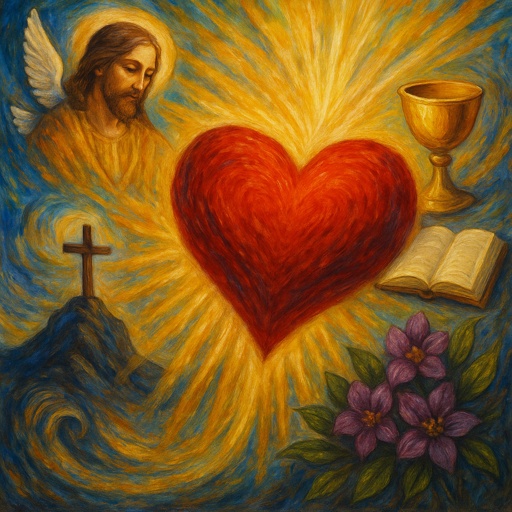
"And though I have the gift of prophecy, and understand all mysteries, and all knowledge; and though I have all faith, so that I could remove mountains, and have not charity, I am nothing." - 1 Corinthians 13:2

1 Corinthians 15:13 - "But if there be no resurrection of the dead, then is Christ not risen:"