The Blessings of Labor: Embracing Suffering with Grace
“And labour, working with our own hands: being reviled, we bless; being persecuted, we suffer it:” — 1 Corinthians 4:12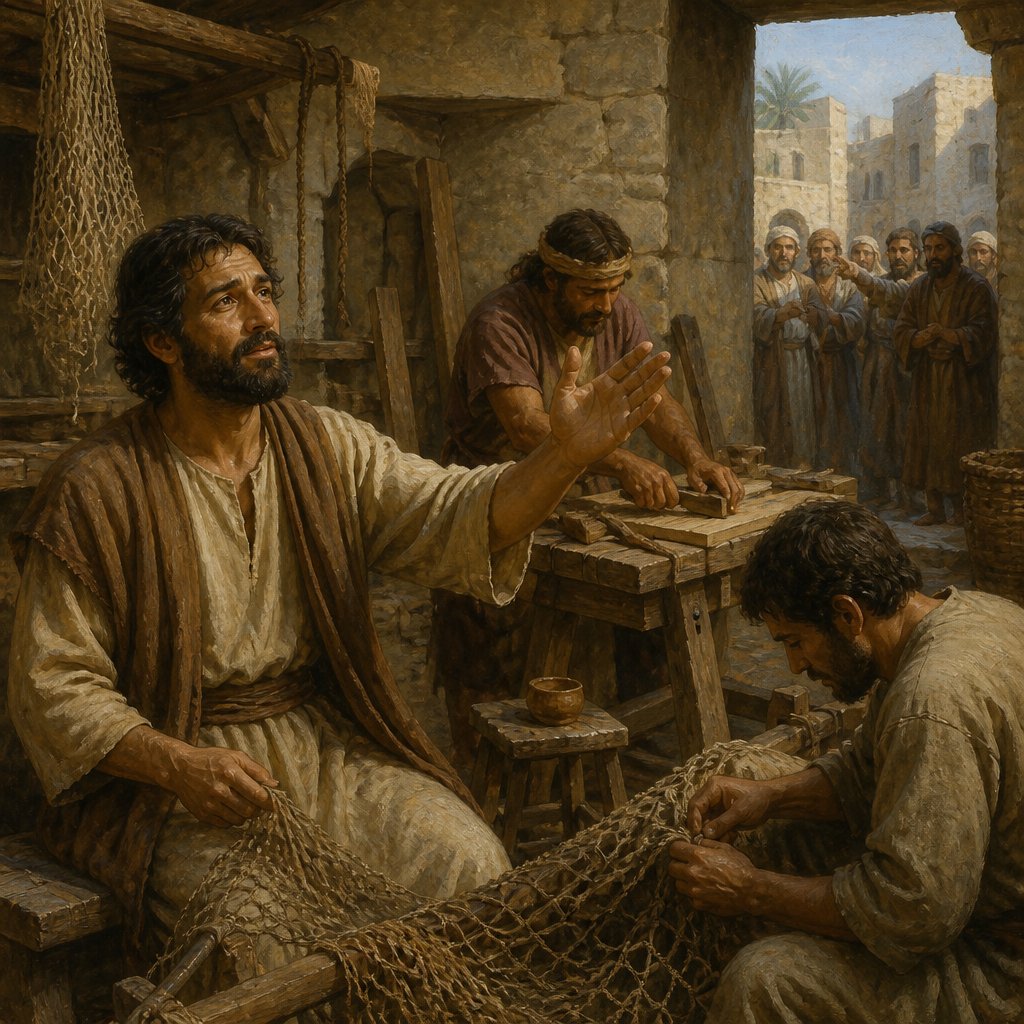
1 Corinthians 4:12 (KJV) states, "And labour, working with our own hands: being reviled, we bless; being persecuted, we suffer it." This verse offers profound insight into the Christian experience, encouraging us to understand the nature of our labor and hardships as followers of Christ.
As we delve into the context of this passage, it’s essential to know that the Apostle Paul was addressing the Corinthians, a church grappling with issues of division, pride, and immorality. Paul emphasizes the life of a true apostle—not only highlighting their spiritual authority but also the real struggle and humility that accompanies it. His own life serves as a template for what it means to suffer for the sake of the Gospel.
The first part of this verse, “and labour, working with our own hands,” draws attention to the value of hard work. Paul illustrates that labor is not just a physical endeavor but is also spiritually symbolic—a demonstration of commitment to the calling God has placed upon us. Today, many view work as a burden, a mundane necessity to earn a living, but for Paul, work signifies purpose and dedication. Engaging in labor with our own hands reflects a sense of stewardship over the gifts God has entrusted to us, an invitation to take an active role in His creation.
The second clause, “being reviled, we bless,” captures the essence of the Christian response to hostility. To be reviled means to be insulted or belittled, a direct experience Paul faced repeatedly. In moments of disrespect and rejection, the natural human instinct is often to retaliate or harbor resentment. Yet, Paul instructs us to turn the narrative: instead of responding to reviling with anger, we are called to respond with blessings. This concept challenges our human nature profoundly. It echoes the words of Jesus in Matthew 5:44, where He instructs us to love our enemies and pray for those who persecute us.
The act of blessing those who revile us not only reflects Christ’s character but also acknowledges that God’s love is powerful enough to transcend our pain and bitterness. This supernatural response is a testament to our faith—it declares that we trust God’s sovereignty over our lives and that our joy is rooted in Him rather than our circumstances.
“Being persecuted, we suffer it” underscores the reality that suffering is an expected part of the Christian life. Paul’s experience points to a truth often unspoken in the modern church: following Christ can attract persecution. Whether through social ostracism, ridicule, or more severe consequences, standing firm in one’s faith can lead to suffering. However, this suffering is not without purpose.
Romans 5:3-4 reminds us that suffering produces perseverance; perseverance, character; and character, hope. Embracing our trials, as Paul encourages, becomes a means through which we can cultivate deeper faith, greater dependence on God, and a more robust character that reflects Christ’s likeness.
In a world where quick fixes and immediate gratifications dominate the culture, Paul’s encouragement to work hard, respond gently to hostility, and endure suffering stands as a radical call to countercultural living. As we cultivate this attitude in our daily lives, we progress towards becoming resilient, steadfast believers, grounded in hope.
Thus, as we meditate on 1 Corinthians 4:12, we are challenged to see labor not just as a task but as a partnership with God. In our reviling, we find the grace to bless. In our persecution, we find the strength to endure. This is the beauty of the Christian walk—a journey marked by labor, love, and ultimately, transformation. Let us pray for the wisdom and strength to embody these truths in our everyday lives.
Get our apps


Artwork for 1 Corinthians 4:12

1 Corinthians 4:12 - "And labour, working with our own hands: being reviled, we bless; being persecuted, we suffer it:"
"And labour, working with our own hands: being reviled, we bless; being persecuted, we suffer it:" - 1 Corinthians 4:12

1 Corinthians 4:1-2

1 Corinthians 12:4 - "Now there are diversities of gifts, but the same Spirit."

1 Corinthians 12:4 There are diversities of gifts, but the same Spirit.

1 Corinthians 12:4 There are diversities of gifts, but the same Spirit.
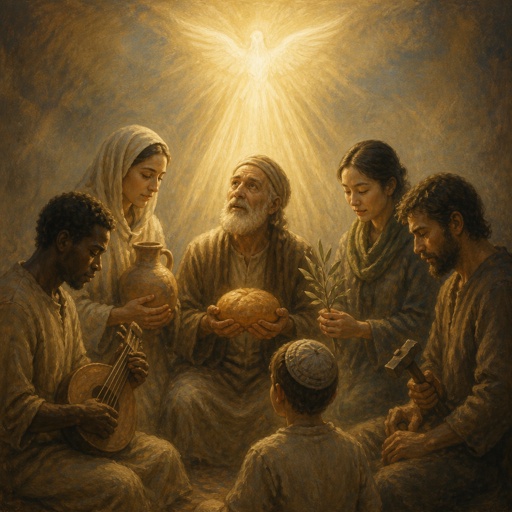
"Now there are diversities of gifts, but the same Spirit." - 1 Corinthians 12:4

1 Corinthians 12:12

2 Corinthians 12:2-4 – Paul’s vision of the third heaven.

2 Corinthians 4:12 - "So then death worketh in us, but life in you."

1 corinthians 2:12

1 corinthians 2:12

1 Corinthians 12:4-6 - "Now there are varieties of gifts, but the same Spirit; and there are varieties of service, but the same Lord; and there are varieties of activities, but it is the same God who empowers them all in everyone."

1 corinthians 2:12

1 corinthians 2:12

1 Corinthians 12:12-13

1 Corinthians 12:12-22

1 Corinthians 4:20

1 Corinthians 4:20

1 Corinthians 4:20

1 Corinthians 4:20

1 Corinthians 13:4-6

1 Corinthians 13:4-6

1 Corinthians 13:4-6

1 Corinthians 13:4-6

1 Corinthians 13:4-6

1 Corinthians 13:4-6

1 Corinthians 13:4-6

1 Corinthians 13:4-6

1 Corinthians 12:27