God's Design for Marriage: The Call to Commitment
“And unto the married I command, yet not I, but the Lord, Let not the wife depart from her husband: But and if she depart, let her remain unmarried, or be reconciled to her husband: and let not the husband put away his wife.” — 1 Corinthians 7:10-11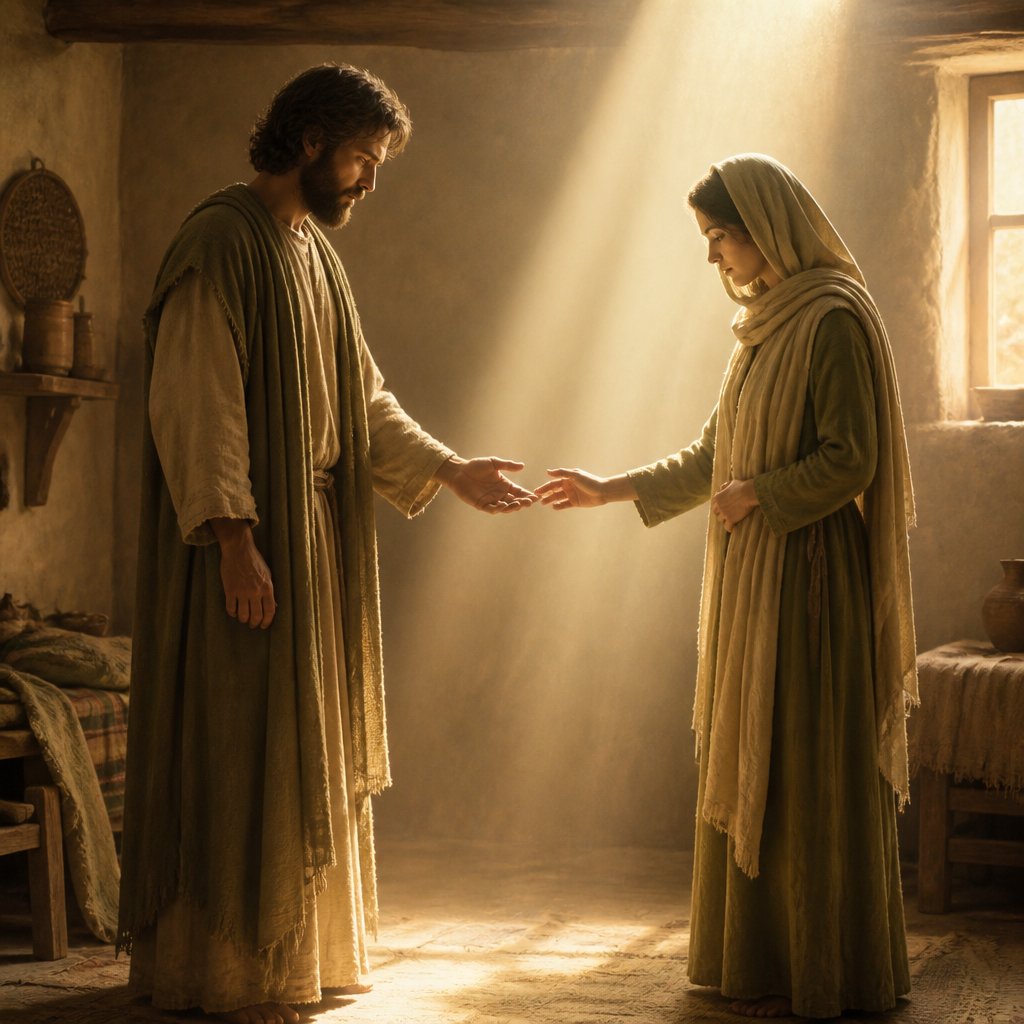
In the often turbulent waters of human relationships, the institution of marriage stands as a steadfast anchor, a divine ordinance instituted by God. In 1 Corinthians 7:10-11, Paul addresses the sanctity and commitment inherent in marriage, stating, "To the married I give this command (not I, but the Lord): A wife must not separate from her husband. But if she does, she must remain unmarried or else be reconciled to her husband. And a husband must not divorce his wife." This passage invites us to reflect deeply on God's intentions for marital fidelity, the nature of commitment, and the profound implications of separation and reconciliation.
Firstly, it is critical to acknowledge that God designed marriage as a covenant, not merely a contract. In the Old Testament, we see this covenantal relationship consistently illustrated, as seen in Genesis 2:24: "Therefore shall a man leave his father and mother, and shall cleave unto his wife: and they shall be one flesh." This principle affirms that the unity of husband and wife mirrors the intimate relationship between Christ and His Church. The gravity of this commitment is underscored by Paul urging, "A wife must not separate from her husband." This command establishes a clear directive against the casual approach to marriage that our culture often promotes.
The phrase "not I, but the Lord" carries significant weight — it indicates that what Paul is delivering is not merely his own opinion but the very commandment of Christ, underscoring the authority of these instructions. In a world where divorce rates soar and commitment often falters, we must root ourselves in these divine mandates. God yearns for couples to experience the fullness of their union, to live out the love, patience, and forgiveness required to maintain this sacred bond.
Next, we must contemplate the situation where separation does occur. Paul acknowledges the painful reality that, despite the divine intention and command, marriage may face trials that lead to separation. Yet, his exhortation is not to disregard the sanctity of the marriage covenant. If a wife were to separate, she is called to remain unmarried or seek reconciliation. This directive serves multiple purposes: it protects the sanctity of marriage, it reassures individuals of their value within that covenant, and it challenges the culture that dismisses the seriousness of marital bonds. It is a call to seek healing and restoration rather than to move on hastily to another relationship.
Paul's appeal to remaining unmarried or to being reconciled calls us to consider the power and possibility of reconciliation. In Matthew 19:6, Jesus assures us, "What therefore God hath joined together, let not man put asunder." This hinges on the understanding that God can bring restoration even when divisions seem insurmountable. As believers, we are encouraged to foster communication, to practice forgiveness, and to seek counseling and support as tools to mend broken relationships. Every marriage can experience moments of conflict and misunderstanding; however, the call is to confront these challenges with the grace that Christ extends to us.
Lastly, the instruction to husbands is equally resolute: "And a husband must not divorce his wife." This reinforces the collective responsibility that both partners bear in nurturing and upholding their marriage. Men are called to be leaders in love, demonstrating sacrificial love as modeled by Christ, willing to lay down personal desires for the sake of their spouses and the wellbeing of the marriage.
As we meditate on this passage, let us recognize the divine blueprint for our relationships. Marriage is more than a personal contract; it is a reflection of God’s love for humanity and His desire for unity. In our commitments, let us strive to honor God by cultivating enduring marriages, seeking reconciliation in times of strife, and encouraging others in their Christian walk towards marital fidelity. Embrace these truths — not merely as obligations but as the joyous paths that lead to a flourishing relationship designed by the Creator. Let us hold fast to our commitments, trusting that He can bring about transformation in our hearts and our homes.
Get our apps


Artwork for 1 Corinthians 7:10-11

1 Corinthians 7:10-11 - "To the married I give this command (not I, but the Lord): A wife must not separate from her husband. But if she does, she must remain unmarried or else be reconciled to her husband. And a husband must not divorce his wife."
"To the married I give this command (not I, but the Lord): A wife must not separate from her husband. But if she does, she must remain unmarried or else be reconciled to her husband. And a husband must not divorce his wife." - 1 Corinthians 7:10-11

1 Corinthians 7:10 - "And unto the married I command, yet not I, but the Lord, Let not the wife depart from her husband:"

2 Corinthians 7:10

1 Corinthians 11:10 - "For this cause ought the woman to have power on her head because of the angels."

1 Corinthians 11:7 - "For a man indeed ought not to cover his head, forasmuch as he is the image and glory of God: but the woman is the glory of the man."

1 Corinthians 7:11 - "But and if she depart, let her remain unmarried, or be reconciled to her husband: and let not the husband put away his wife."

1 Corinthians 10:11 - "Now all these things happened unto them for ensamples: and they are written for our admonition, upon whom the ends of the world are come."

1 Corinthians 10:7 - "Neither be ye idolaters, as were some of them; as it is written, The people sat down to eat and drink, and rose up to play."

"And unto the married I command, yet not I, but the Lord, Let not the wife depart from her husband:" - 1 Corinthians 7:10
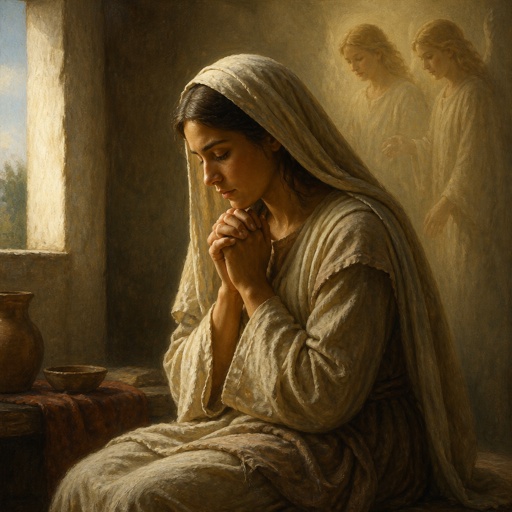
"For this cause ought the woman to have power on her head because of the angels." - 1 Corinthians 11:10

2 Corinthians 11:10 - "As the truth of Christ is in me, no man shall stop me of this boasting in the regions of Achaia."

2 Corinthians 7:10 - "For godly sorrow worketh repentance to salvation not to be repented of: but the sorrow of the world worketh death."

1 Corinthians 10:13

1 Corinthians 10:13

1 Corinthians 10:13

1 Corinthians 11:8 - "For the man is not of the woman; but the woman of the man."

1 Corinthians 11:1 - "Be ye followers of me, even as I also am of Christ."

1 Corinthians 10:26 - "For the earth is the Lord's, and the fulness thereof."

1 Corinthians 10:10 - "Neither murmur ye, as some of them also murmured, and were destroyed of the destroyer."

1 Corinthians 11:11 - "Nevertheless neither is the man without the woman, neither the woman without the man, in the Lord."

1 Corinthians 15:8-11

1 Corinthians 11:26-29

1 Corinthians 11:26-29

1 Corinthians 7:6 - "But I speak this by permission, and not of commandment."

2 Corinthians 10:11 - "Let such an one think this, that, such as we are in word by letters when we are absent, such will we be also in deed when we are present."

1 Corinthians 13:4-7

1 Corinthians 13:4-7

1 Corinthians 13:4-7

1 Corinthians 13:4-7