Living Off the Altar: A Call to Understand Our Spiritual Sustenance
“Do ye not know that they which minister about holy things live of the things of the temple? and they which wait at the altar are partakers with the altar?” — 1 Corinthians 9:13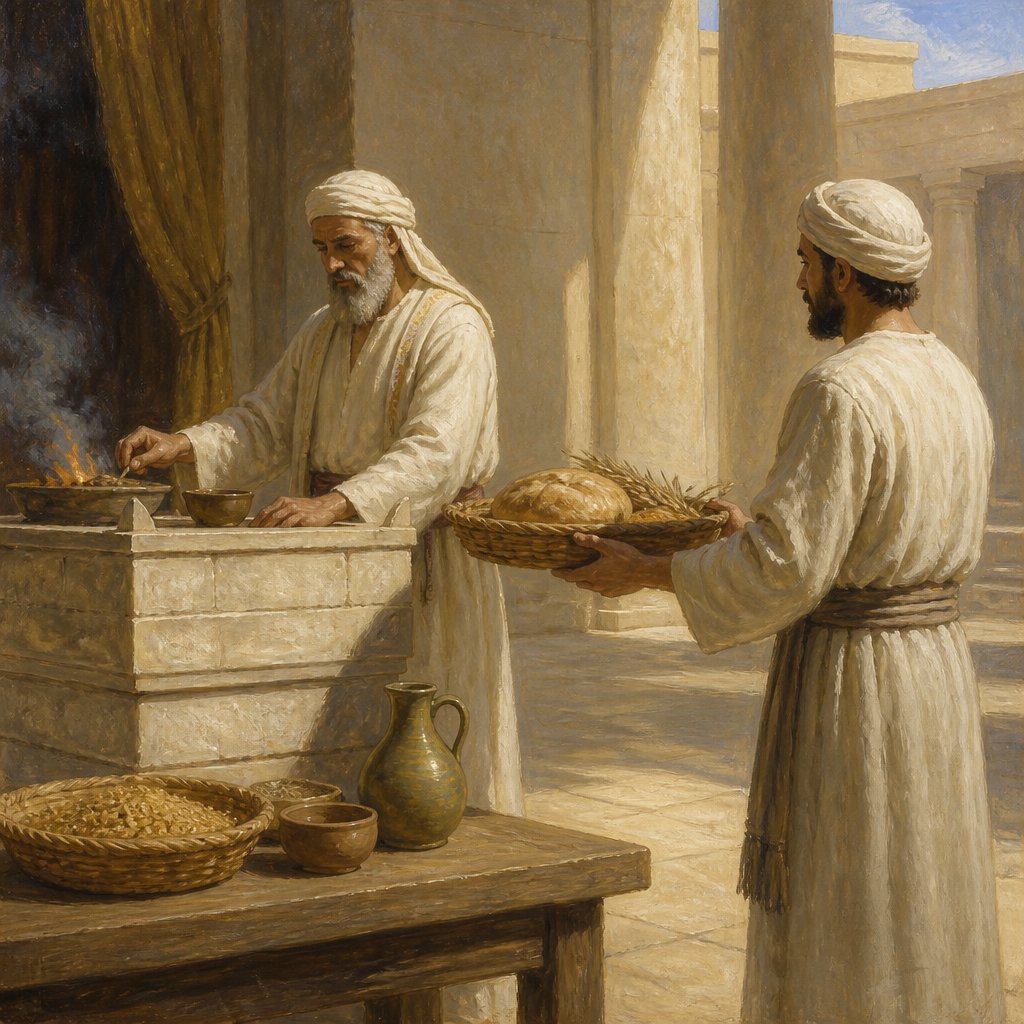
As we delve into 1 Corinthians 9:13, the Apostle Paul makes a profound statement: "Do ye not know that they which minister about holy things live of the things of the temple? and they which wait at the altar are partakers with the altar?" (KJV). At first glance, this passage speaks of the physical sustenance afforded to those engaged in spiritual service. However, upon deeper reflection, it unveils a rich theology that underlines our relationship with God, His work, and how we are to partake in the blessings that flow from sacred service.
In the context of first-century Corinth, Paul addressed a community rife with the tensions of cultural identity, moral dilemmas, and social hierarchy. By appealing to the analogy of the temple and the altar, Paul invokes a truth both ancient and timeless. The temple, as the dwelling place of God, symbolizes divine presence and provision. Those who serve in the temple—priests, Levites, and other ministers—derive their livelihood from the offerings made to God. Similarly, their role at the altar signifies a deeper commitment to a sacred calling that is reciprocal; their service benefits them as much as it benefits the community.
In our modern context, though we might not have a physical temple as they did, the principle remains unchanged. Ministers of the Gospel today—whether they are pastors, missionaries, or lay leaders—continue to draw sustenance from their service to God and His people. The implications of "living of the things of the temple" extend beyond mere material provisions to the spiritual nourishment we receive when we engage in the Lord’s work.
This scripture invites reflection on how we, too, are called to minister in diverse ways. While we may not serve in formal ecclesiastical roles, every believer holds the privilege of being a partaker of the altar. This aspect of ministry can manifest through acts of service, encouragement, and love towards one another within the body of Christ. Each act performed with genuine love becomes a fragrant offering to God, just as the sacrifices laid on the altar once were.
Moreover, this verse challenges our understanding of reciprocity in the Kingdom of God. Being a partaker is not a mere one-sided endeavor. When we engage deeply with the things of the temple—prayer, worship, reading the Word, and serving others—we find a symbiotic relationship; we give and receive simultaneously. In Matthew 10:42, Jesus tells us, "And whosoever shall give to drink unto one of these little ones a cup of cold water only in the name of a disciple, verily I say unto you, he shall in no wise lose his reward." This assures us that even the smallest acts of service are noticed and rewarded in His economy.
Furthermore, understanding that we "live of the things of the temple" speaks to a lifestyle of worship. Our lives, when aligned with God’s purposes, become an offering unto Him. Romans 12:1 encourages us to present our bodies as a living sacrifice, holy, acceptable unto God. Such a life engenders spiritual vitality—in our worship, in our communities, and in our personal lives. We find joy, peace, and purpose when we recognize that every aspect of our being is intricately tied to the altar—a foundation upon which our faith stands.
As we reflect on this scripture, let us ask ourselves: How do we engage with the things of the temple in our daily lives? How can we be better partakers at the altar? Let us strive to live lives marked by service, compassion, and devotion, recognizing that in giving ourselves to God’s mission, we are also being filled and sustained by His grace. Remember, our participation in the things of God has eternal significance, shaping not just our lives, but the lives of those around us.
Get our apps


Artwork for 1 Corinthians 9:13

1 Corinthians 9:13 - "Do ye not know that they which minister about holy things live of the things of the temple? and they which wait at the altar are partakers with the altar?"
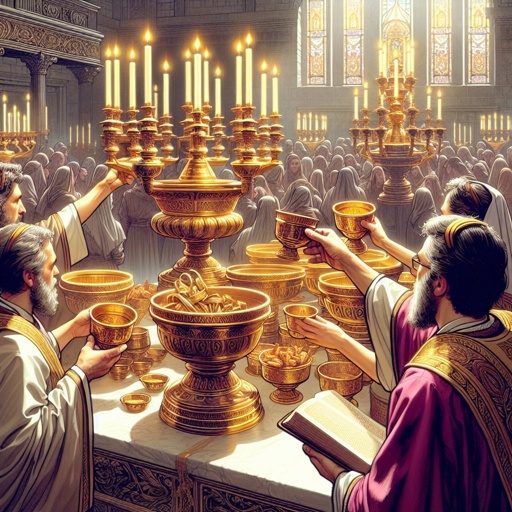
1 Corinthians 9:13-14 - "Do you not know that those who minister the holy things eat of the things of the temple, and those who serve at the altar partake of the offerings of the altar? Even so the Lord has commanded that those who preach the gospel should live from the gospel."
"Do ye not know that they which minister about holy things live of the things of the temple? and they which wait at the altar are partakers with the altar?" - 1 Corinthians 9:13
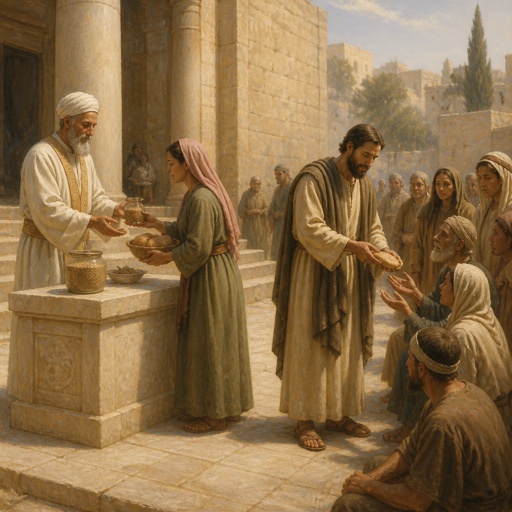
"Do you not know that those who minister the holy things eat of the things of the temple, and those who serve at the altar partake of the offerings of the altar? Even so the Lord has commanded that those who preach the gospel should live from the gospel." - 1 Corinthians 9:13-14

1 Corinthians 13:9 - "For we know in part, and we prophesy in part."

"For we know in part, and we prophesy in part." - 1 Corinthians 13:9
![1 Corinthians 13:13
1 Corinthians 13:13
[13] So now faith, hope, and love abide, these three; but the greatest of these is love. (ESV)](https://media.bible.art/3da57222-9f49-4158-a2a3-7a49b5dc4437-thumbnail.jpg)
1 Corinthians 13:13 1 Corinthians 13:13 [13] So now faith, hope, and love abide, these three; but the greatest of these is love. (ESV)

1 Corinthians 13:13

1 Corinthians 13 :13

1 Corinthians 13:4-6

1 Corinthians 13:4-6

1 Corinthians 13:4-6

1 Corinthians 13:4-6

1 Corinthians 13:4-6

1 Corinthians 13:4-6

1 Corinthians 13:4-6

1 Corinthians 13:4-6

1 Corinthians 9:25-27

1 Corinthians 9:25-27

1 Corinthians 13

1 Corinthians 9:25-27

1 Corinthians 9:25-27

1 Corinthians 10:13

1 Corinthians 13:13 - "And now abideth faith, hope, charity, these three; but the greatest of these is charity."

1 Corinthians 10:13

1 Corinthians 10:13

1 Corinthians 15:13 - "But if there be no resurrection of the dead, then is Christ not risen:"

2 Corinthians 13:9 - "For we are glad, when we are weak, and ye are strong: and this also we wish, even your perfection."

1 Corinthians 13:6 - "Rejoiceth not in iniquity, but rejoiceth in the truth;"

1 Corinthians 12:12-13