Identifying the Family: Children of God vs. Children of the Devil
“In this the children of God are manifest, and the children of the devil: whosoever doeth not righteousness is not of God, neither he that loveth not his brother.” — 1 John 3:10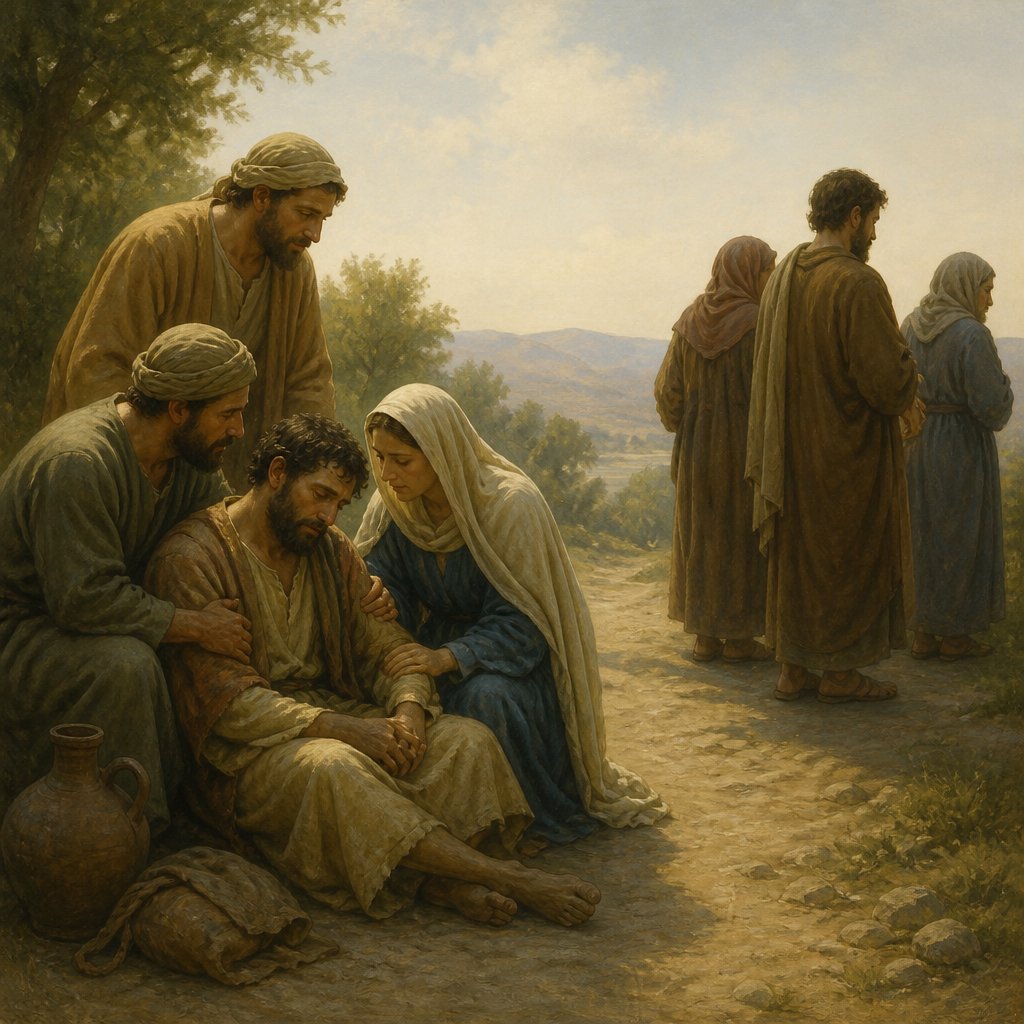
In the intricate weave of relationships and behaviors, the distinguishing marks of the children of God and the children of the devil serve as profound revelations of our spiritual lineage. 1 John 3:10 presents a stark contrast between these opposing families: "In this the children of God are manifest, and the children of the devil: whosoever doeth not righteousness is not of God, neither he that loveth not his brother."
At the heart of this verse lies the essence of righteousness and love, both of which are essential traits that delineate one’s identity as either a child of God or a child of the devil. The apostle John is not merely stating that righteousness is beneficial; he is establishing it as a prerequisite for belonging to the family of God. To be a child of God carries the weighty responsibility of emulating the character and actions of our Heavenly Father. John points out the obvious: one cannot live in unrighteousness and claim to be a follower of God. This distinction can be challenging in the contemporary world where moral relativism often blurs the lines. Yet, scripture calls us back to the simple truth of God’s nature - He is completely righteous.
The world is filled with voices that encourage us to define our identity based on culture, success, social media approval, or even controversial ideologies. However, John brings us back to the biblical definition of identity based on our actions. When we align ourselves with righteousness, our lives reflect God’s attributes. We can easily become misled into thinking that our relationship with God hinges only upon our belief. While faith in Christ is indeed foundational, the demonstration of that faith should naturally manifest in righteous living. Jesus Himself emphasized this in Matthew 7:20, stating, "Wherefore by their fruits ye shall know them."
What ultimately sets the children of God apart is their love for each other. John continues to assert that not only is ungodliness incompatible with God’s children, but also an absence of love for our brothers and sisters is equally telling. Love is the hallmark of the Christian experience; it is the tangible expression of faith that binds the community of believers together. In 1 John 4:20, the same author claims, "If a man say, I love God, and hateth his brother, he is a liar: for he that loveth not his brother whom he hath seen, how can he love God whom he hath not seen?" This honesty rings clear: our love for God is inseparable from our love for others.
As we reflect on this verse, it becomes imperative that we engage in self-examination; we must ask ourselves if our lives are characterized by righteousness and love. Are we quick to judge or slow to love? Do we harbor unforgiveness and resentment, or do we strive to reconcile our differences in grace? The call to righteousness requires us to walk away from our sinful choices, embrace holiness, and reflect Christ in our attitudes and actions.
Additionally, John’s wording of "whosoever doeth not righteousness is not of God" places the onus on each believer to take personal responsibility for their spiritual condition. It requires commitment and selfless service, aligning our actions with our declarations of faith. There is an active engagement in righteousness we must embrace – this could mean reaching out to someone in need, mending broken relationships, or standing firm against social injustices.
Finally, the exhortation is not a call to despair or fear. Instead, it invites us into a deeper relationship with God. When we recognize our shortcomings, it becomes a privilege to turn back to Him, seeking His help to work in us both to will and to do of His good pleasure (Philippians 2:13). The ultimate goal is transformation into His likeness.
As we journey through life, let us embody the virtues that identify us as God’s children—righteousness and love. May our lives be a testimony of the transformative power of Christ, so others may see our good works and glorify our Father in heaven.
Get our apps


Artwork for 1 John 3:10

1 John 3:10 - "In this the children of God are manifest, and the children of the devil: whosoever doeth not righteousness is not of God, neither he that loveth not his brother."
"In this the children of God are manifest, and the children of the devil: whosoever doeth not righteousness is not of God, neither he that loveth not his brother." - 1 John 3:10

1 John 3:1-3

John 3:3

John 3:3-8

John 10:30

John 10:9

John 3:10 - "Jesus answered and said unto him, Art thou a master of Israel, and knowest not these things?"

1 John 3:4 - "Whosoever committeth sin transgresseth also the law: for sin is the transgression of the law."

1 John 3:13 - "Marvel not, my brethren, if the world hate you."

John 3:14

John 3:16

John 1:3

John 1:3

John 3:16

John 3:16

John 3:16

John 3-16

John 3:16

John 3:16
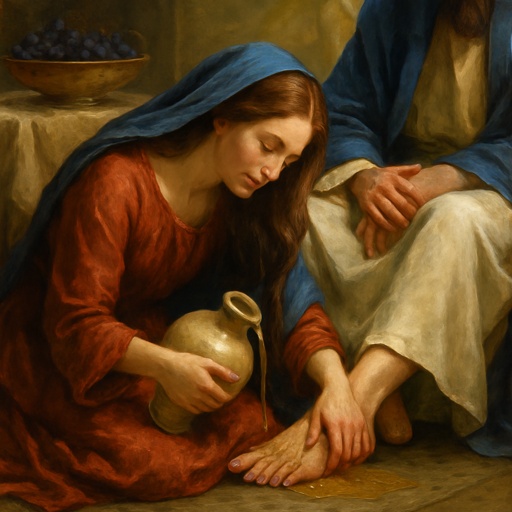
John 12:3

1 John 3:3 - "And every man that hath this hope in him purifieth himself, even as he is pure."

1 John 3:6 - "Whosoever abideth in him sinneth not: whosoever sinneth hath not seen him, neither known him."

"Marvel not, my brethren, if the world hate you." - 1 John 3:13

1 John 3:20 - "For if our heart condemn us, God is greater than our heart, and knoweth all things."

John 9:1-3

John 19:1-3

1 John 3:11 - "For this is the message that ye heard from the beginning, that we should love one another."

1 John 3:19 - "And hereby we know that we are of the truth, and shall assure our hearts before him."

Born again. John 3