Behold the Love That Names You: Living as the Children of God
“Behold, what manner of love the Father hath bestowed upon us, that we should be called the sons of God: therefore the world knoweth us not, because it knew him not.” — 1 John 3:1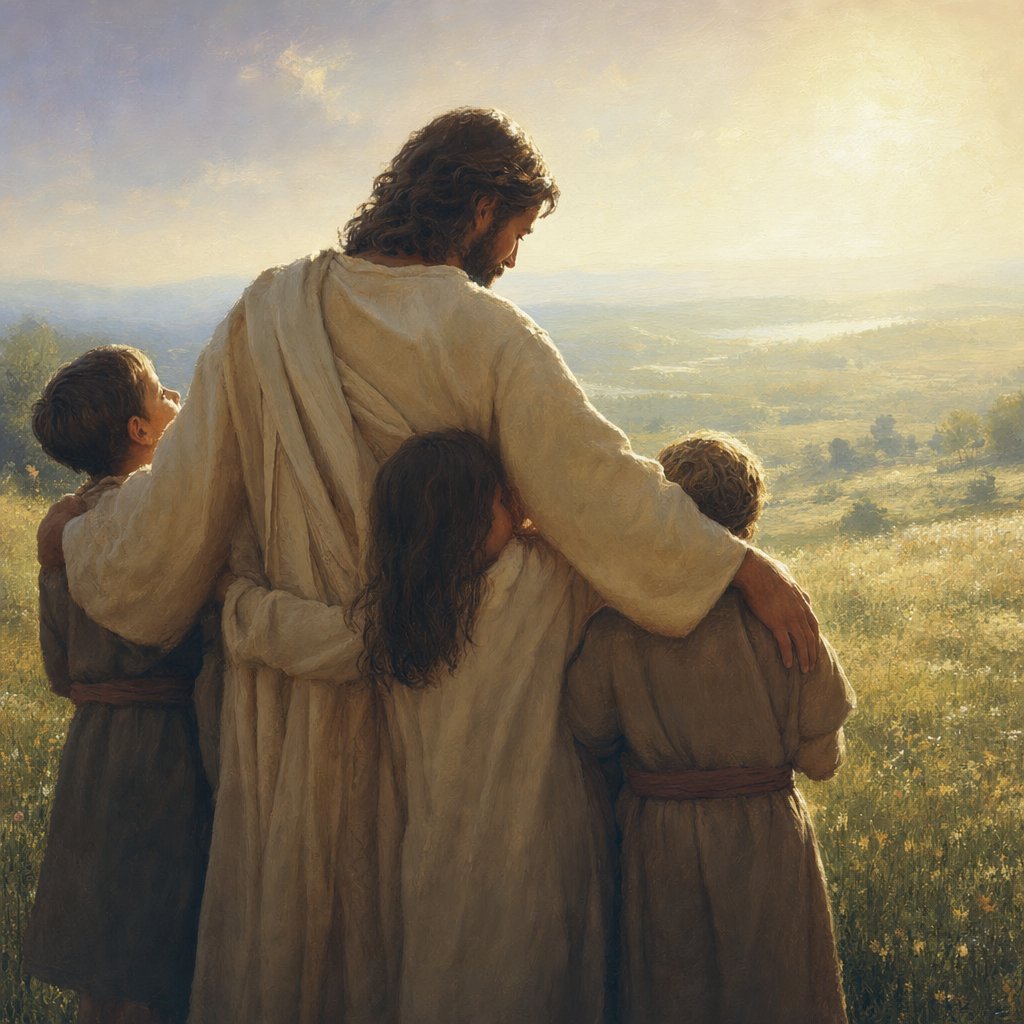
“Behold, what manner of love the Father hath bestowed upon us, that we should be called the sons of God: therefore the world knoweth us not, because it knew him not.” (1 John 3:1, KJV)
The apostle John begins with a word that asks for more than a passing glance: “Behold.” It is an invitation to stop, to consider, and to let the truth press all the way into the heart. Many truths in Scripture can be heard without being held. But John insists we pause and look steadily at the love of God until we are changed by what we see. “Behold, what manner of love the Father hath bestowed upon us.” This love is not ordinary. It is not measured by human affection or earned by performance. It is a love that comes from the Father’s own heart and is “bestowed”—given freely, poured out, granted as a gift.
Then John tells us the astonishing purpose of this bestowed love: “that we should be called the sons of God.” The Father’s love does not only forgive; it adopts. It does not merely remove guilt; it gives a new name. To be “called” the sons of God is not a sentimental title meant to make us feel better. In the language of Scripture, God’s naming carries authority and reality. When God calls, He is not pretending. He is declaring what is true because of His grace. The believer’s identity is not chiefly “former sinner,” “struggling person,” or “spiritual failure.” The believer is a child—brought into God’s family by God’s initiative.
This changes the way we approach God. Many people approach Him as though prayer is an appointment with a reluctant judge. But John’s words place us before a Father who has already chosen to love and to adopt. The fear that we must earn a hearing begins to crumble when we remember that the Father Himself “hath bestowed” love upon us. When we come confessing sin, we are not coming as outsiders bargaining for acceptance; we are coming as sons and daughters returning to the One who loves us.
Yet John immediately adds a sober result of this identity: “therefore the world knoweth us not, because it knew him not.” The love that makes us God’s children also marks us as different. To belong to the Father is to be misunderstood by a world that does not recognize the Father’s Son. John does not say the world dislikes our personality or our preferences; he roots the world’s blindness in its blindness toward Christ: “because it knew him not.” If Jesus was misjudged, dismissed, and rejected, it should not surprise us when His people are also misread.
This is both a comfort and a call. It is a comfort because it keeps us from interpreting rejection as proof of God’s absence. If the world “knew him not,” then misunderstanding is not always a sign that we have failed; it may be a sign that we resemble our Lord. But it is also a call, because being unknown by the world should not make us bitter, harsh, or proud. The children of God are not called to fight for recognition; they are called to live from the Father’s love.
To “behold” this love is to let it steady you when you feel unseen, when obedience is costly, and when holiness makes you stand out. God’s love is not a temporary mood; it is a bestowed reality. The Father does not merely tolerate His children—He claims them. And when the world does not “know” you, you can remember that your truest life is not defined by the world’s approval but by the Father’s name.
So today, linger over John’s first word: “Behold.” Look again at “what manner of love” has been given to you in Christ. Let gratitude replace striving. Let security replace fear. Let compassion replace defensiveness. You have been called the sons of God. And though the world may not recognize you, the Father has already spoken over you, and His voice is the one that lasts.
Prayer: Father, help me to behold the love Thou hast bestowed upon me. Teach me to live as one who is called Thy child, not seeking the world’s approval but resting in Thy name. When I am misunderstood, remind me that the world knew Him not. Make my life reflect Thy love with humility and faithfulness. Amen.
Get our apps


Artwork for 1 John 3:1

1 John 3:1-3

1 John 3:1 - "Behold, what manner of love the Father hath bestowed upon us, that we should be called the sons of God: therefore the world knoweth us not, because it knew him not."
"Behold, what manner of love the Father hath bestowed upon us, that we should be called the sons of God: therefore the world knoweth us not, because it knew him not." - 1 John 3:1
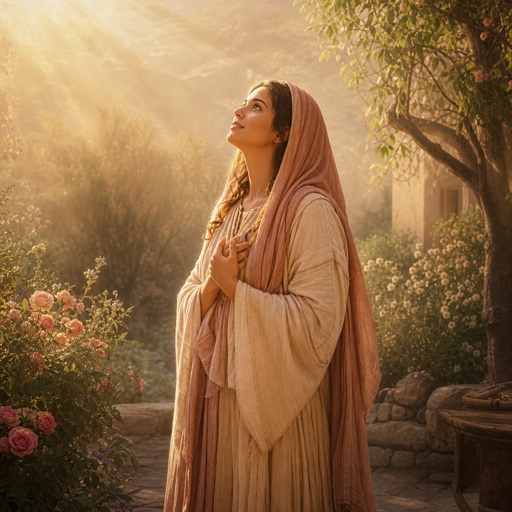
"Behold, what manner of love the Father hath bestowed upon us, that we should be called the sons of God: therefore the world knoweth us not, because it knew him not." - 1 John 3:1
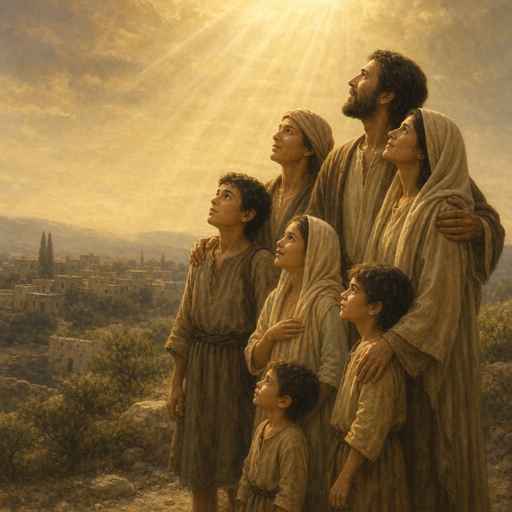
"Behold, what manner of love the Father hath bestowed upon us, that we should be called the sons of God: therefore the world knoweth us not, because it knew him not." - 1 John 3:1

John 3:3

John 3:3-8

John 3:14

John 3:16

John 3:16

John 1:3

John 1:3

John 3:16

John 3:16

John 3-16

John 3:16

John 3:16
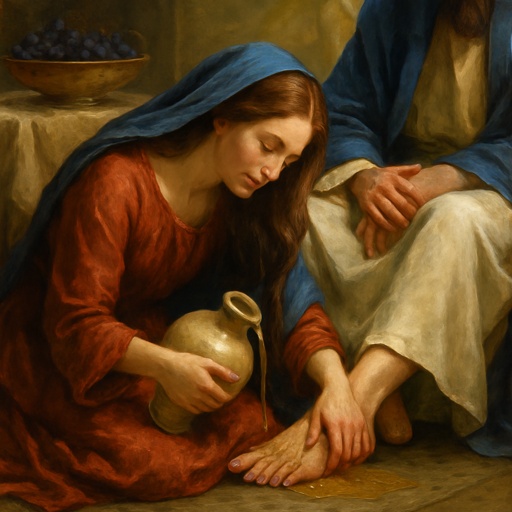
John 12:3

BORN AGAIN JOHN 3:1-13

3 John 1:1 - "The elder unto the wellbeloved Gaius, whom I love in the truth."

John 9:1-3

John 19:1-3

Born again. John 3

1 John 3:3 - "And every man that hath this hope in him purifieth himself, even as he is pure."

John 3:1 - "There was a man of the Pharisees, named Nicodemus, a ruler of the Jews:"

1 John 3:13 - "Marvel not, my brethren, if the world hate you."

Matthew 3:1 - "In those days came John the Baptist, preaching in the wilderness of Judaea,"

3 John 1:3 - "For I rejoiced greatly, when the brethren came and testified of the truth that is in thee, even as thou walkest in the truth."

3 John 1:8 - "We therefore ought to receive such, that we might be fellowhelpers to the truth."

3 John 1:5 - "Beloved, thou doest faithfully whatsoever thou doest to the brethren, and to strangers;"