The Depth of Divine Love: Understanding 1 John 4:10
“Herein is love, not that we loved God, but that he loved us, and sent his Son to be the propitiation for our sins.” — 1 John 4:10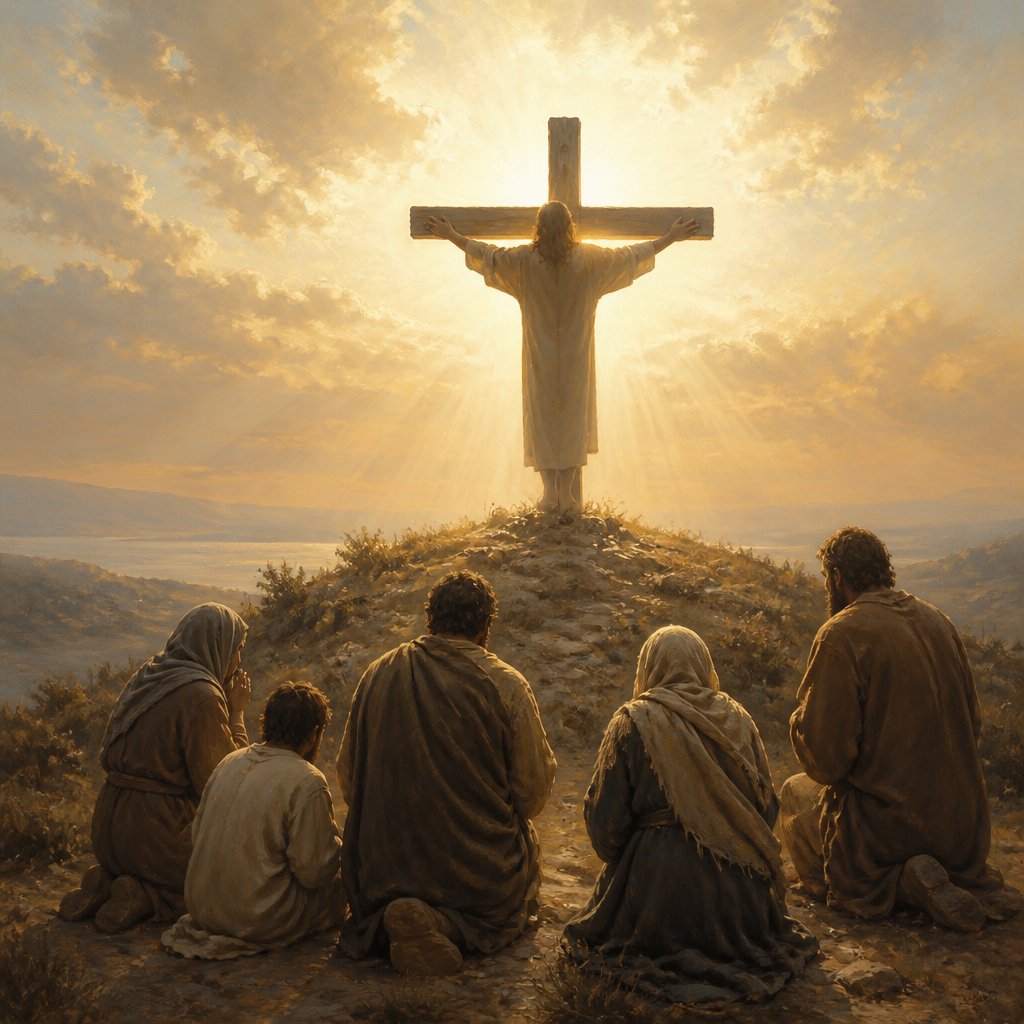
The Bible verse 1 John 4:10 (KJV) states: "Herein is love, not that we loved God, but that he loved us, and sent his Son to be the propitiation for our sins." This profound statement encapsulates the essence of God’s love and what it means to live in a relationship with Him. It invites us to ponder the nature of love from a divine perspective, which starkly contrasts with our often self-serving understanding of love.
**The Nature of Love**
When we think of love, frequently our minds drift to the feelings and emotions associated with human relationships; we tend to base love on conditions and expectations. However, John presents a radically different notion of love: love originates from God Himself. It’s not merely a warm sentiment or an emotional response; it is an action grounded in sacrificial giving.
In Greek, the word for love used here is "agape," which signifies a selfless, unconditional love that seeks the well-being of others—not even requiring a return of affection in order to be valid. It is crucial to realize that "not that we loved God" indicates that human love, when it appears, is a response to His prior love. Our love for God is a byproduct of recognizing and accepting the love He extended to us first. Understanding this allows us to anchor our identity not in our capacity to love but in His unceasing, everlasting love.
**The Definition of Love**
John the Apostle emphasizes God’s initiative in love by declaring that God demonstrated His love by sending His Son, Jesus, as the "propitiation for our sins." This theological term "propitiation" unveils the depth of God's love—it signifies that Jesus endured the punishment for our transgressions, appeasing God’s wrath. Through Christ's atoning sacrifice, He reconciles us back to the Father, acting as our advocate before God. This work on the cross is the pinnacle of divine love—an act so selfless that it challenges the very core of our human understanding of love.
**Reviving Our Hearts**
In contemplating this verse, we must ask ourselves how we respond to this love. The love of God is a powerful force intended not only for our salvation but also to transform our hearts. Knowing that we are deeply loved sets a firm foundation for our self-worth, reducing our need for validation from the world. When we fail to grasp this solid truth, we may find ourselves searching for love in misplaced areas, leading to disappointments and heartaches.
Instead, let that remarkable love fill your heart and overflow into your interactions with others. If God loved us so deeply while we were still sinners (Romans 5:8), how much more should we love others unconditionally? Christ's love is not limited; it invites us into a lifestyle defined by loving our neighbors, serving the downtrodden, and sharing the message of hope with those in despair.
**A Call to Action**
In light of the truth brought forth in 1 John 4:10, we are called to be vessels of that love—a reflection of God's character in a world starved for authenticity. Today, allow the truth of God’s love to penetrate you. Let it transform your thoughts, attitudes, and ultimately your actions. Love is a choice; choose to love your family, your friends, and even those you find hard to love, mirroring the love and grace bestowed upon you.
As we deepen our understanding of God’s love, we can glorify Him by embodying the very love that He has poured into us. Be reassured: we do not need to strive to earn God’s love; instead, we should dwell in the reality that we are already recipients of the greatest gift of love that exists, given freely through Jesus Christ.
Get our apps


Artwork for 1 John 4:10

1 John 4:10 - "Herein is love, not that we loved God, but that he loved us, and sent his Son to be the propitiation for our sins."
"Herein is love, not that we loved God, but that he loved us, and sent his Son to be the propitiation for our sins." - 1 John 4:10

1 John 4:13

1 John 4:18

1 John 4:18

1 John 4:19 - "We love him, because he first loved us."

John 10:30

John 10:9

1 John 4:8 - "He that loveth not knoweth not God; for God is love."

"We love him, because he first loved us." - 1 John 4:19

"We love him, because he first loved us." - 1 John 4:19

1 John 4:5 - "They are of the world: therefore speak they of the world, and the world heareth them."

Create a word card with the verse from 1 John 4:4

1 John 4:21 - "And this commandment have we from him, That he who loveth God love his brother also."

1 John 4:11 - "Beloved, if God so loved us, we ought also to love one another."

John 1:4 - "In him was life; and the life was the light of men."

1 John 1:4 - "And these things write we unto you, that your joy may be full."

"He that loveth not knoweth not God; for God is love." - 1 John 4:8

1 John 4:14 - "And we have seen and do testify that the Father sent the Son to be the Saviour of the world."

John 4:1 - "When therefore the Lord knew how the Pharisees had heard that Jesus made and baptized more disciples than John,"

John 1:10 - "He was in the world, and the world was made by him, and the world knew him not."

1 John 4:13 - "Hereby know we that we dwell in him, and he in us, because he hath given us of his Spirit."

1 John 1:10 - "If we say that we have not sinned, we make him a liar, and his word is not in us."

1 John 4:15 - "Whosoever shall confess that Jesus is the Son of God, God dwelleth in him, and he in God."

The Source of Our Love New Testament 1 John 4:7: "Dear friends, let us love one another, for love comes from God. Everyone who loves has been born of God and knows God." 1 John 4:19: "We love because he first loved us."

1 John 4:9-10 - "In this was manifested the love of God toward us, because that God sent his only begotten Son into the world, that we might live through him. Herein is love, not that we loved God, but that he loved us, and sent his Son to be the propitiation for our sins."
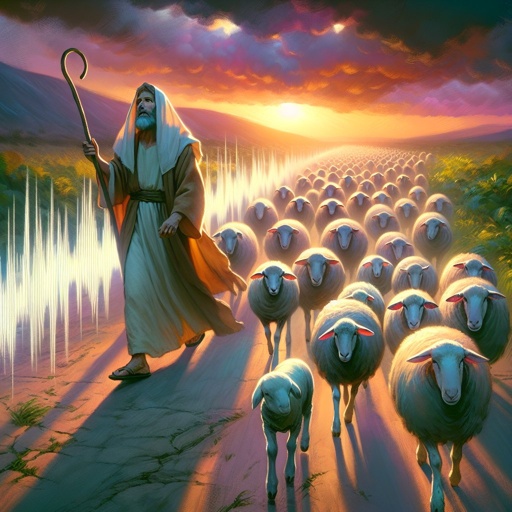
John 10:4 - "And when he putteth forth his own sheep, he goeth before them, and the sheep follow him: for they know his voice."

1 John 4:4 - "Ye are of God, little children, and have overcome them: because greater is he that is in you, than he that is in the world."
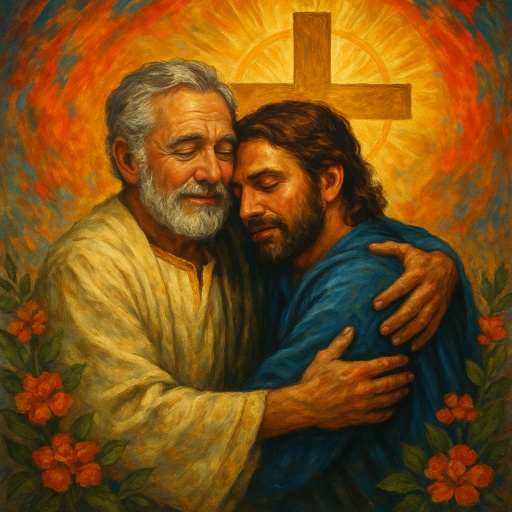
"Beloved, if God so loved us, we ought also to love one another." - 1 John 4:11

1 John 4;19