Legacy of Grace: God's Faithfulness Amidst Our Failures
“Notwithstanding in thy days I will not do it for David thy father’s sake: but I will rend it out of the hand of thy son.” — 1 Kings 11:12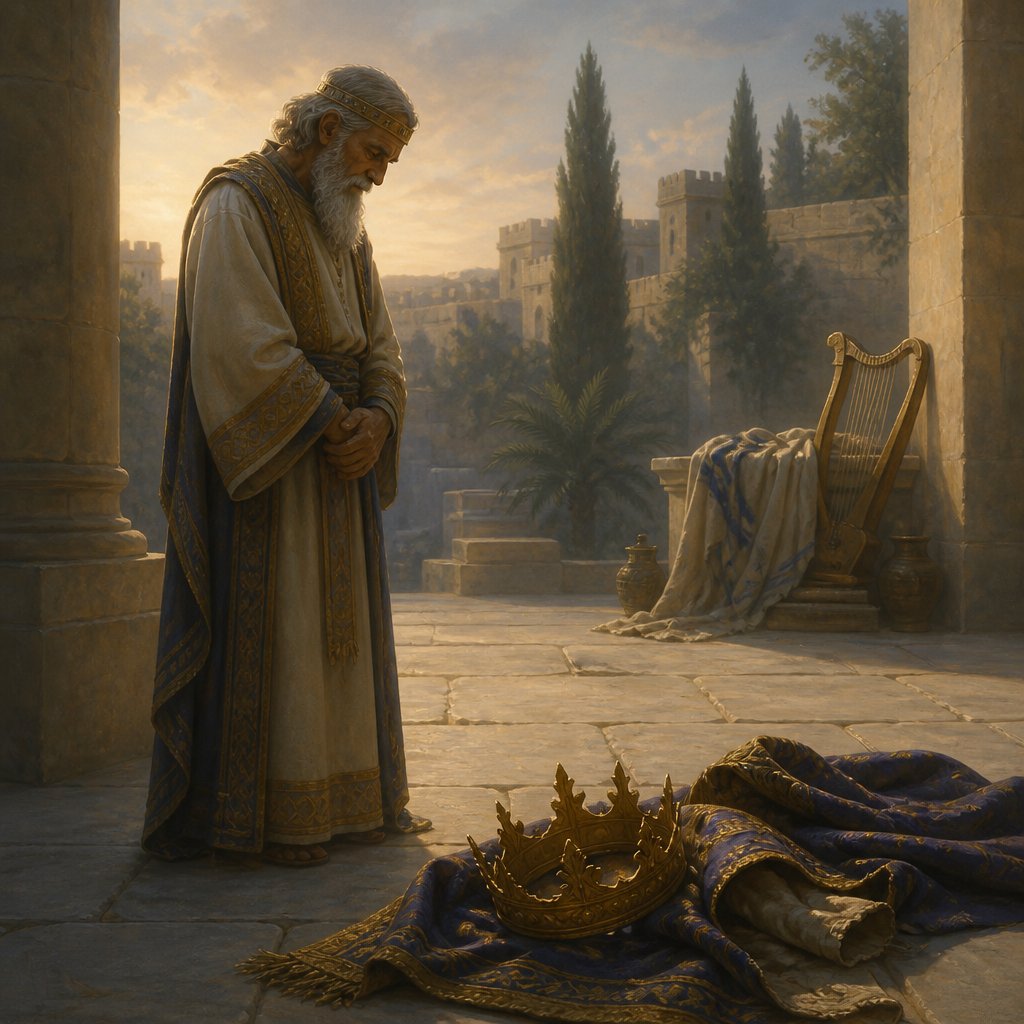
1 Kings 11:12 (KJV) says, "Notwithstanding in thy days I will not do it for David thy father's sake: but I will rend it out of the hand of thy son." This verse is part of a larger narrative concerning the reign of Solomon, who, despite his wisdom and divine favor, turned away from God in his later years by embracing idolatry influenced by his foreign wives. God, though grieved by Solomon's unfaithfulness, chooses to maintain a measure of grace towards him for the sake of David, Solomon's father.
As we reflect on this powerful verse, we discover profound lessons about legacy, accountability, and the ever-faithful nature of God’s promises. The phrase "notwithstanding in thy days" indicates God's restraint in executing judgment. This indicates that the consequences of our actions can oftentimes extend beyond our immediate situations and affect the next generation.
#### 1. The Weight of Legacy
David's legacy is a multifaceted one—marked by moments of deep faithfulness and grievous failures. As we think about his life, we consider how God favored David, calling him "a man after mine own heart" (1 Samuel 13:14). David’s relationship with God, characterized by sincere repentance and humble worship, ensured that God looked upon him favorably, even as his family experienced turbulence due to his shortcomings. David’s tumultuous legacy would resonate through generations, highlighting the complexities of human fallibility.
Solomon, raised in this environment of faith, started his reign with a heart dedicated to God, exemplified in his earnest prayer for wisdom when God appeared to him in a dream (1 Kings 3:5-9). However, as Solomon aged, he allowed compromise to seep into his rulership. The ease with which Solomon capitulates to idolatry teaches us that even a heart once wholly devoted to God can drift away through complacency, misguided affections, and peer influence. This should spark a sobering realization within us: our legacies, both good and bad, can influence the spiritual trajectory of those who come after us.
#### 2. Accountability to God
Notice that God’s message to Solomon also addresses accountability: “but I will rend it out of the hand of thy son.” While Solomon experienced a temporary reprieve for the sake of David, the impending judgment upon his lineage serves as a stark warning. Our actions indeed carry consequences not only for ourselves but also for those we lead and influence. Leadership in any form comes with an ethical responsibility to align our decisions with God’s ways, as misalignment may lead to dire repercussions for future generations.
Much like the kings of Israel, we too are leaders in various contexts—be it within our families, workplaces, or communities. Every decision we make can cultivate a culture that either honors God or steers others away from Him. We must, therefore, remain vigilant, ensuring that our legacies mirror the truth of God’s Word and reflect His character.
#### 3. God’s Faithfulness Despite Failures
Amidst the warning and judgment, one of the most comforting truths encapsulated in this verse is the steadfastness of God’s grace. God, unwavering in His faithfulness, made commitments to David that went beyond David’s capacity for failure. Even in Solomon's idolatry, God's mercy holds firm; it displays not only His justice but also His compassionate nature. God’s willingness to postpone judgment for the sake of David’s legacy highlights His desire to redeem and restore, which is the essence of the Gospel.
In a world of unpredictability and disappointment, this truth reassures us of God’s unchanging character. It compels us to draw closer to Him no matter where we find ourselves, regardless of disappointment or failure. Just as David and Solomon had their stories woven into God’s great redemptive narrative, so are our lives intricately connected to His grace.
In conclusion, 1 Kings 11:12 is a call to both introspection and hope. It invites us to reflect on our legacies, to seek to honor God with our decisions, and to understand the depth of His grace—even when we falter. As we strive to leave a good heritage, let us do so with the awareness that our lives are stories that can turn hearts back to God, just as He turned Solomon back to the legacy of his forefather, David.
Get our apps


Artwork for 1 Kings 11:12

1 Kings 11:12 - "Notwithstanding in thy days I will not do it for David thy father's sake: but I will rend it out of the hand of thy son."
"Notwithstanding in thy days I will not do it for David thy father's sake: but I will rend it out of the hand of thy son." - 1 Kings 11:12

1 Kings 12:11

1 Kings 12:11

1 Kings 12:11

1 Kings 12:11

1 Kings 12:11

1 Kings 19:11-12 – "The Lord said, 'Go out and stand on the mountain in the presence of the Lord, for the Lord is about to pass by.'"

1 Kings 19:11-12 – "The Lord said, 'Go out and stand on the mountain in the presence of the Lord, for the Lord is about to pass by.'"

1 Kings 11:11

1 Kings 11:11

1 Kings 11:11

1 Kings 11:11

1 Kings 11:13

1 Kings 11:5

1 Kings 11:13

1 Kings 11:11

1 kings 11:11-13

1 Kings 11:11-13

1 Kings 12:11 - "And now whereas my father did lade you with a heavy yoke, I will add to your yoke: my father hath chastised you with whips, but I will chastise you with scorpions."

1 Kings 11:29-32

1 Kings 11:11-13

1 Kings 11:1-5

1 Kings 11:30-31

1 Kings 11:30-31

1 Kings 11:30-31

1 Kings 12:10

1 Kings 12:10

1 Kings 12:10

1 kings 3:12