The High Places of Our Hearts: A Call to Faithfulness
“Then did Solomon build an high place for Chemosh, the abomination of Moab, in the hill that is before Jerusalem, and for Molech, the abomination of the children of Ammon.” — 1 Kings 11:7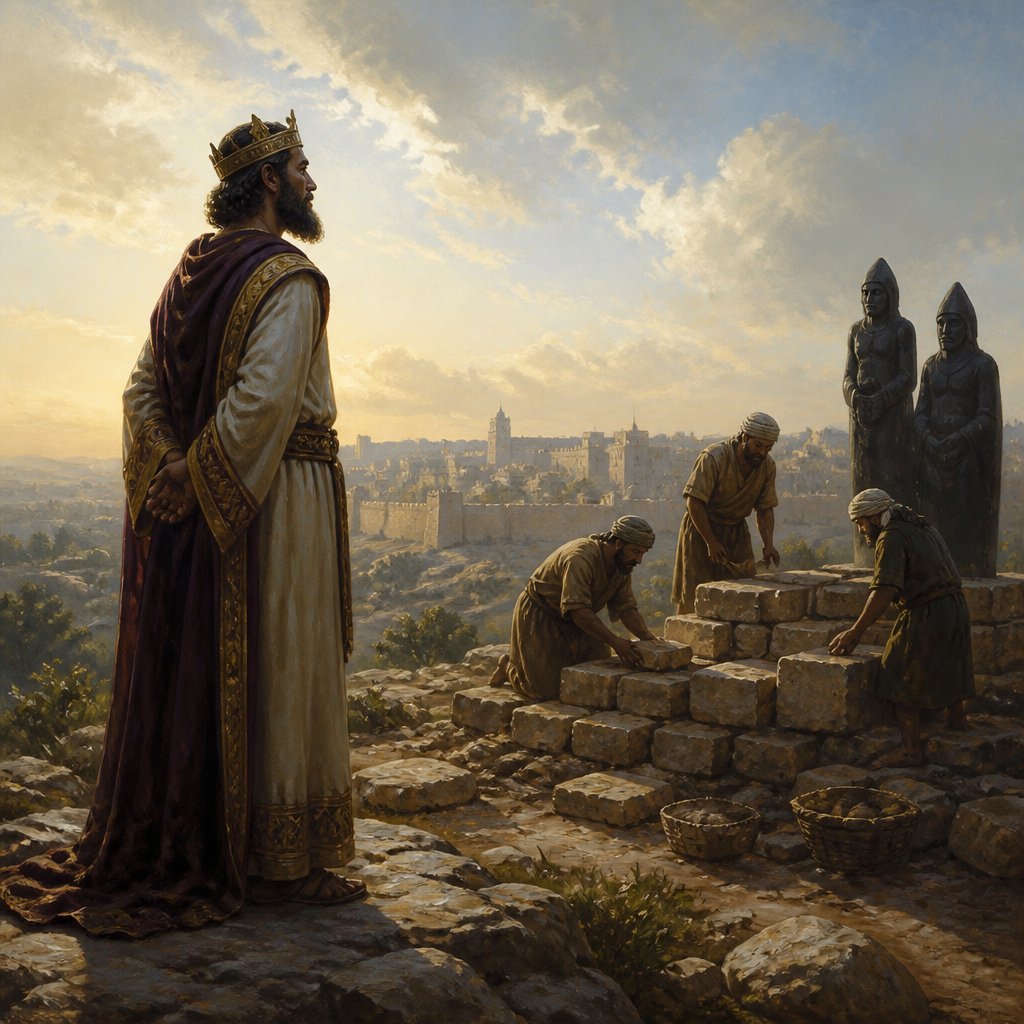
In 1 Kings 11:7 (KJV), we read, "Then did Solomon build an high place for Chemosh, the abomination of Moab, in the hill that is before Jerusalem, and for Molech, the abomination of the children of Ammon." This pivotal verse stands as a stark reminder of the dangers of compromise in our spiritual lives.
King Solomon, celebrated for his wisdom and wealth, is portrayed in this chapter as a figure who strayed from the path of righteousness. Here, the building of high places—places of worship for foreign gods—marked the beginning of a gradual decline not only in Solomon's personal faith but also in the integrity of Israel's covenant with God. What led such a wise ruler to erect altars to Chemosh and Molech, deities known for their gruesome rituals, including child sacrifice? It all began subtly, with little compromises and an openness to influences from the surrounding cultures.
Chemosh, the god of the Moabites, and Molech, associated with the Ammonites, were not just rivals in theology but stark representations of idolatry and moral decay. Solomon's actions illustrate how even a heart that was once dedicated to God could become ensnared by temptation and worldly allure. It raises a critical question for us: what high places have we allowed in our hearts that could lead us away from God’s truth?
In a contemporary context, it is easy to relate to Solomon. The high places of our lives may not look like religious altars, but they can be anything that diverts our attention and devotion away from our Creator—our careers, relationships, social media, or even certain ideologies. These high places, like those built by Solomon, may not demand our children in sacrifice, but they can certainly drain our spiritual vitality and commitment. Each distraction pulls us further from the foundational truths of God’s Word, leading to subtle yet profound changes in our interconnected lives.
The story of Solomon is also a cautionary tale against the gradual erosion of faithfulness. Initially, Solomon's heart was wholly devoted to the Lord; he asked for wisdom to serve the people rather than riches for himself. Yet, as we look deeper into his life, we see how the influences of his many foreign wives led him astray. This narrative teaches us that we must remain vigilant about the influences we allow into our lives—not only from people but from our broader cultural surroundings that may hold values that contradict our beliefs.
As we meditate on this verse, let us consider where we stand in our faithfulness to God. Are there high places in our lives where we sacrifice our devotion to Him in service of lesser things? Are we creating spaces for distractions that pull us away from our walk with Christ? Reflect on the words of James 4:4 (KJV), which admonishes, "Ye adulterers and adulteresses, know ye not that the friendship of the world is enmity with God?" This scripture challenges us to assess our allegiances and commitment to God over worldly attractions.
In prayer, we should ask God to reveal any high places we may have built in our hearts—those areas where we have compromised or created a sanctuary for distractions. We can beseech Him for the strength to dismantle these idols, asking for the wisdom to reinstate God as the center of our lives. Let us pursue God with renewed fervor, remembering that our faith must not only be present but also active and vital.
In conclusion, the admonition in 1 Kings 11:7 serves as not just a historical lesson but a profound spiritual insight. It urges us to confront our high places, to evaluate what we value, and to ensure our worship and allegiance are dedicated to the one true God—so that our lives reflect His glory and purpose. As we seek Him wholeheartedly, we can achieve the richness of a life fully dedicated to Him, avoiding the pitfalls that so easily beset us.
Get our apps


Artwork for 1 Kings 11:7

1 Kings 11:7 - "Then did Solomon build an high place for Chemosh, the abomination of Moab, in the hill that is before Jerusalem, and for Molech, the abomination of the children of Ammon."
"Then did Solomon build an high place for Chemosh, the abomination of Moab, in the hill that is before Jerusalem, and for Molech, the abomination of the children of Ammon." - 1 Kings 11:7

1 Kings 7:11 - "And above were costly stones, after the measures of hewed stones, and cedars."

1 Kings 11:11

1 Kings 11:11

1 Kings 11:11

1 Kings 11:11

1 Kings 11:13

1 Kings 11:5

1 Kings 11:13

2 Kings 7:11 - "And he called the porters; and they told it to the king's house within."

1 Kings 11:11

"And above were costly stones, after the measures of hewed stones, and cedars." - 1 Kings 7:11

1 kings 11:11-13

1 Kings 11:11-13

1 Kings 11:29-32

1 Kings 11:11-13

1 Kings 11:1-5

1 Kings 11:30-31

1 Kings 11:30-31

1 Kings 11:30-31

1 Kings 12:11

1 Kings 12:11

1 Kings 12:11

1 Kings 12:11

1 Kings 12:11

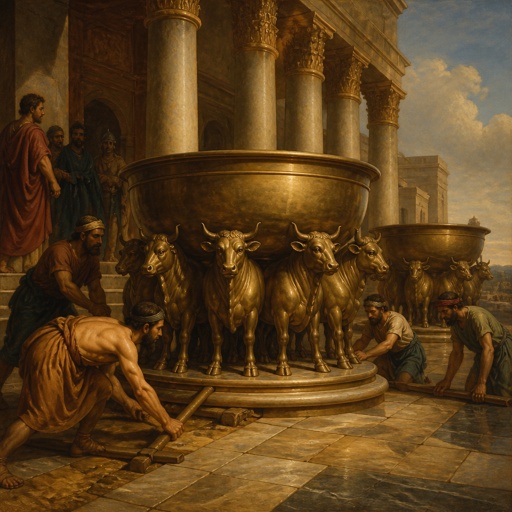
1 Kings 7:27-38

1 kings 8:7
1 kings 7:8

1 kings 8:7