The Shift of Loyalty: Understanding God's Sovereignty in Division
“And it came to pass, when all Israel heard that Jeroboam was come again, that they sent and called him unto the congregation, and made him king over all Israel: there was none that followed the house of David, but the tribe of Judah only.” — 1 Kings 12:20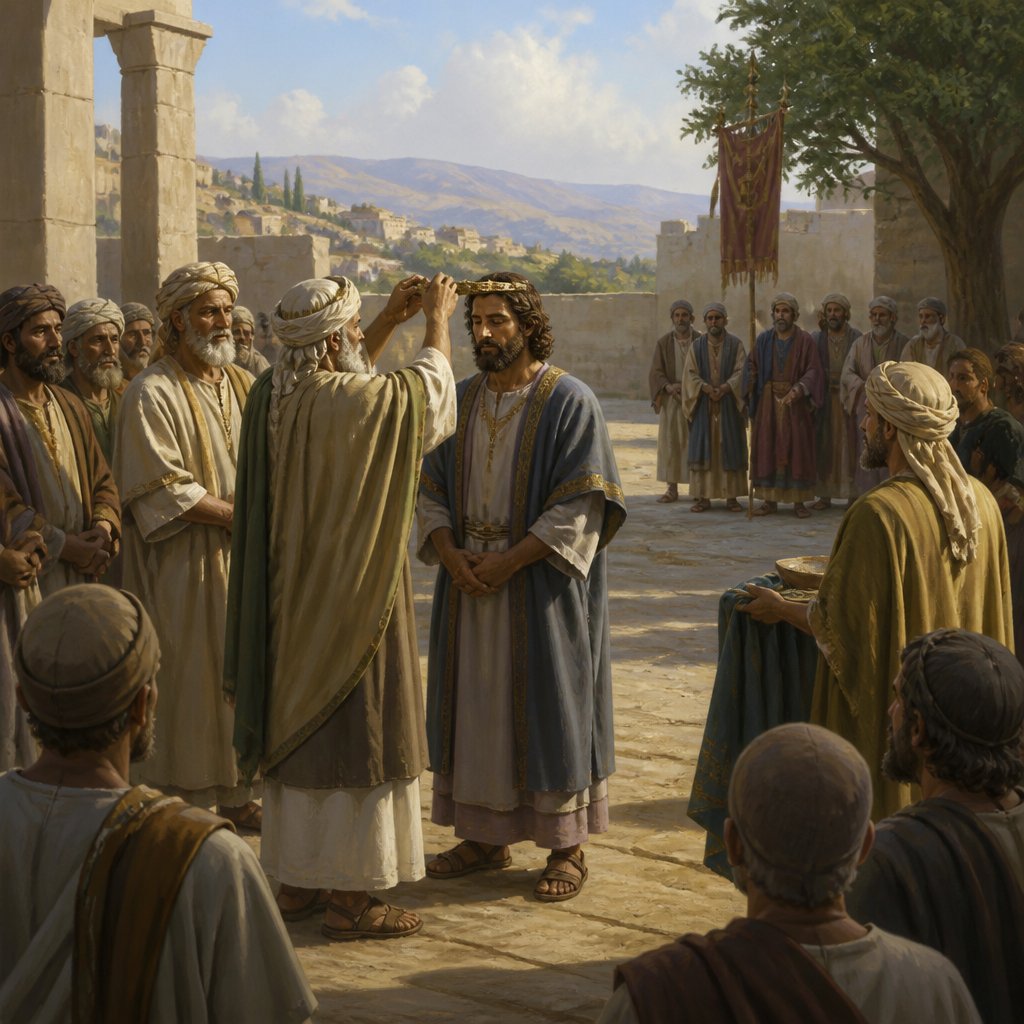
The story presented in 1 Kings 12:20 offers us a profound insight into the dynamics of leadership, community, and divine providence. "And it came to pass, when all Israel heard that Jeroboam was come again, that they sent and called him unto the congregation, and made him king over all Israel: there was none that followed the house of David, but the tribe of Judah only" (1 Kings 12:20, KJV). This verse marks a pivotal moment in Israel’s history, a time when the nation fractured and renegotiated its allegiance under the leadership of Jeroboam, initiating a new era in which the once united kingdom of Israel was divided.
To appreciate the weight of this event, we must consider the historical context. After King Solomon’s reign, there was considerable tension within Israel. Solomon’s heavy taxation and forced labor for his grand building projects led many to resent his rule. Jeroboam, who had previously been entrusted with significant responsibilities during Solomon's reign, became a figure of hope for those who sought relief from burdens imposed by the crown. When Solomon passed away, the people seized upon Jeroboam’s return as an opportunity to change their governance.
The gathering of the people to anoint Jeroboam as their king demonstrates a profound shift in loyalty. They transitioned from the house of David—the monarchy established by God—to leadership of their own choosing. This raises a question for us: how often do we seek leaders or solutions based on immediate human satisfaction rather than divine direction?
In our lives today, we find ourselves at crossroads akin to that of the Israelites. We might not face the decision of a king, but we grapple with choices on whom to follow, what ideologies to embrace, and which leaders to support. The believers in our congregations and communities reflect a similar fracture that mirrors Israel’s; we see divisions in loyalties, denominations, and teachings. Are we, at times, more influenced by populism or the desires of our surroundings than by God’s call?
The specific mention of only the tribe of Judah remaining loyal to David implies a remnant—a theme echoed throughout the scripture where God preserves a faithful few. This is a reminder that God’s plan continues despite human rebellion or division. He does not leave Himself without a witness. Even in the midst of chaos, He remains sovereign. Jerusalem and the temple, the heart of spiritual life, remained under the Davidic line, highlighting that despite split allegiances, God’s intention and purpose would prevail through His chosen vessels.
Jeroboam’s rise was marked by political maneuvering, but he also took steps that tragically led Israel away from worshiping at the temple in Jerusalem. He created new places of worship and new idols, choosing convenience over covenant fidelity. It serves as a stark warning to us: in our desire for leadership that feels right or convenient, we must be cautious to ensure it aligns with God’s truths and commandments. Are we creating new altars in our lives that distract us from intimate worship and devotion to God? Are we willing to forsake the edicts of His Word in favor of our preferences?
In this devotion, let us reflect on the loyalty of our own hearts. God might be asking us to evaluate our leaders—whether they be in politics, places of worship, or even within our personal lives. Are they leading us closer to Him? Are we worshiping Him in spirit and truth, or have we become inclined to worship the idols created by our own hands—security, comfort, or societal approval?
Ultimately, let us learn from the Israelites’ mistake and strive to remain true to God’s calling. Remember that God’s sovereignty outweighs momentary human decisions. As we align ourselves with His purpose, we become part of His redemptive story—a story that transcends mere human leadership and finds its fulcrum in the everlasting King, Jesus Christ.
Get our apps


Artwork for 1 Kings 12:20

1 Kings 12:20 - "And it came to pass, when all Israel heard that Jeroboam was come again, that they sent and called him unto the congregation, and made him king over all Israel: there was none that followed the house of David, but the tribe of Judah only."
"And it came to pass, when all Israel heard that Jeroboam was come again, that they sent and called him unto the congregation, and made him king over all Israel: there was none that followed the house of David, but the tribe of Judah only." - 1 Kings 12:20

1 Kings 20:12 - "And it came to pass, when Ben-hadad heard this message, as he was drinking, he and the kings in the pavilions, that he said unto his servants, Set yourselves in array. And they set themselves in array against the city."

1 Kings 12:11

1 Kings 12:11

1 Kings 12:10

1 Kings 12:10

1 Kings 12:10

1 Kings 12:11

1 Kings 12:10
1 Kings 12:11

1 Kings 12:14

1 Kings 12:14

1 Kings 12:11

1 Kings 14:1-20

2 Kings 12:20 - "And his servants arose, and made a conspiracy, and slew Joash in the house of Millo, which goeth down to Silla."

1 Kings 20:16 - "And they went out at noon. But Ben-hadad was drinking himself drunk in the pavilions, he and the kings, the thirty and two kings that helped him."

1 kings 3:12

1 Kings 20:24 - "And do this thing, Take the kings away, every man out of his place, and put captains in their rooms:"

1 Kings 16:20 - "Now the rest of the acts of Zimri, and his treason that he wrought, are they not written in the book of the chronicles of the kings of Israel?"

1 Kings 20:20 - "And they slew every one his man: and the Syrians fled; and Israel pursued them: and Ben-hadad the king of Syria escaped on an horse with the horsemen."

1 Kings 20:1 - "And Ben-hadad the king of Syria gathered all his host together: and there were thirty and two kings with him, and horses, and chariots: and he went up and besieged Samaria, and warred against it."

2 Kings 20:12 - "¶ At that time Berodach-baladan, the son of Baladan, king of Babylon, sent letters and a present unto Hezekiah: for he had heard that Hezekiah had been sick."

1 Kings 20:43 - "And the king of Israel went to his house heavy and displeased, and came to Samaria."

1 Corinthians 12:20 - "But now are they many members, yet but one body."

1 Kings 12:1 - "And Rehoboam went to Shechem: for all Israel were come to Shechem to make him king."

1 Kings 20:21 - "And the king of Israel went out, and smote the horses and chariots, and slew the Syrians with a great slaughter."

1 Kings 12:19 - "So Israel rebelled against the house of David unto this day."

1 Kings 20:38 - "So the prophet departed, and waited for the king by the way, and disguised himself with ashes upon his face."

1 Kings 21:12 - "They proclaimed a fast, and set Naboth on high among the people."