The Waiting Room of Wisdom
“And he said unto them, Depart yet for three days, then come again to me. And the people departed.” — 1 Kings 12:5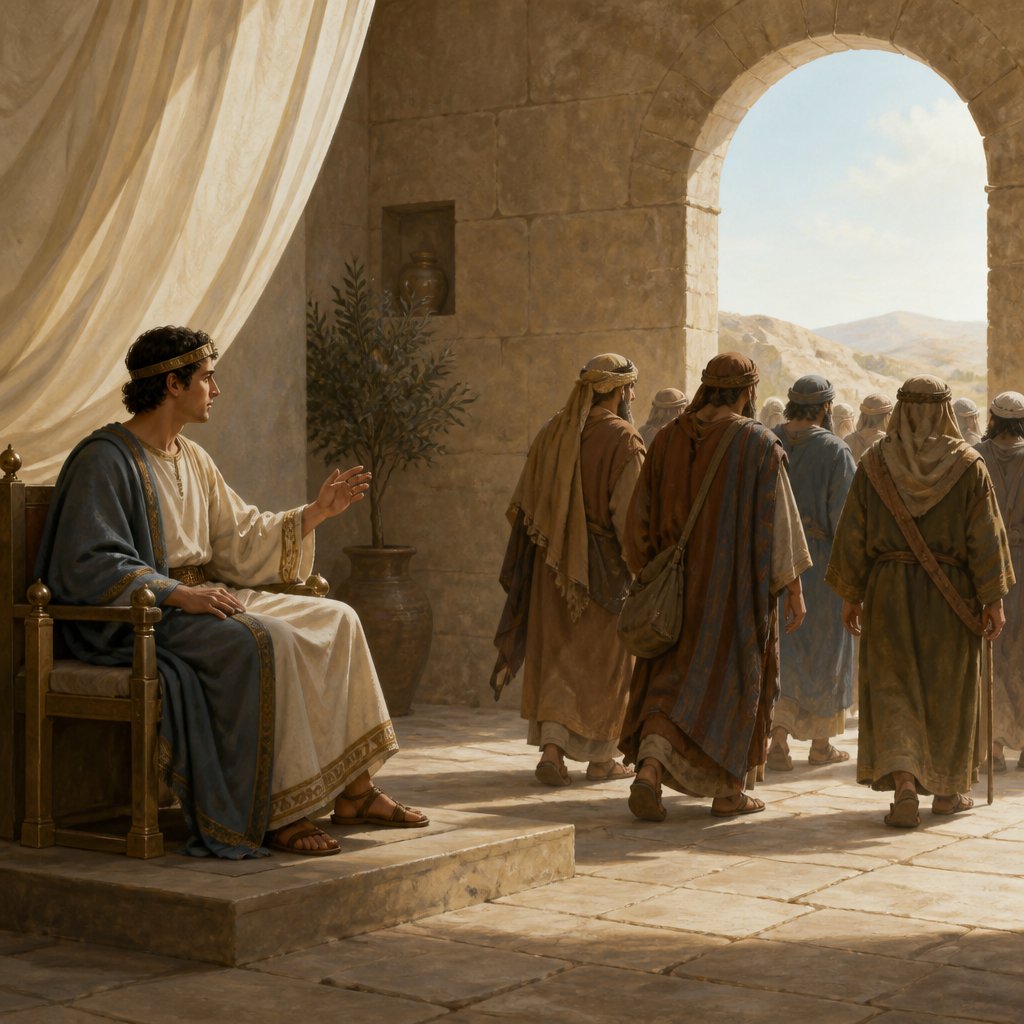
In 1 Kings 12:5, we find Rehoboam, the newly anointed king of Israel, in the midst of a crucial decision-making process. The verse reads, "And he said unto them, Depart yet for three days, then come again to me. And the people departed." This simple command encapsulates a profound principle in the life of every believer: the necessity of pausing and seeking wisdom before acting.
Rehoboam faced an immediate request from the people of Israel, who were seeking relief from the heavy taxation and burdens placed upon them by his father, Solomon. The tension was palpable, and the stakes were high. One misstep could lead to a fracture in the kingdom. Thus, the outcome of his response hinged not just on the demands of his constituents, but also on his ability to discern the heart of the matter and the will of God.
The command to wait for three days is poignant. In our fast-paced world, waiting is often viewed as an inconvenience, something to fill with distractions. Yet, in Rehoboam's case, that wait was a critical moment of reflection, a divine appointment to pause and consider the options laid before him. This principle is echoed in the Scriptures, reminding us of the value God places on patience and discernment. Isaiah 40:31 tells us, "But they that wait upon the Lord shall renew their strength; they shall mount up with wings as eagles; they shall run, and not be weary; and they shall walk, and not faint." Here, waiting is portrayed not as inactivity but as a preparation process—a divine strengthening for the journey ahead.
For Rehoboam, this three-day waiting period was not just a formality; it was an invitation to seek God’s wisdom. Although the text does not explicitly mention prayer or reflection during this time, we can infer its significance. Anyone who seeks God’s guidance must first quiet their hearts and minds, allowing the Holy Spirit to reveal truth and clarity. In Proverbs 3:5-6, we are reminded to “Trust in the Lord with all thine heart; and lean not unto thine own understanding. In all thy ways acknowledge him, and he shall direct thy paths.” In this wise counsel lies the essence of waiting—the practice of deliberately surrendering our own understanding and inclining our ears and hearts to God’s voice.
As we reflect on Rehoboam's decision to delay his reply, we consider our own lives. How often do we rush into decisions without taking the necessary time to pause and seek God? Perhaps we are facing decisions about jobs, relationships, or even spiritual commitments. We must cultivate a habit of waiting on God, much like the biblical characters who exemplified patience. David, for example, often withdrew to the wilderness, seeking God’s heart and direction, as seen in Psalm 27:14: “Wait on the Lord: be of good courage, and he shall strengthen thine heart: wait, I say, on the Lord.”
In our waiting, we must remember that it is not just about stalling; it’s about preparation. God desires for us to be ready for what comes next, and that readiness often involves a heart aligned with His will. This alignment is essential because our decisions ultimately shape our lives. When we rush without His guidance, we may miss the blessings He has prepared for us.
As we ponder this narrative of Rehoboam, let us ask ourselves: Are we willing to enter the ‘waiting room of wisdom’? Are we willing to step back, reflect, and seek God’s counsel before responding to life’s demands? Let’s purposefully embrace waiting as an opportunity for growth, for it is in those moments of quiet surrender when we hear the gentle whisper of God leading us forward.
In conclusion, the call to wait as demonstrated by Rehoboam invites us to cultivate a spirit of discernment. Let us commit to spending time in prayer and reflection, trusting in God’s perfect timing and wisdom as we navigate our futures.
Get our apps


Artwork for 1 Kings 12:5

1 Kings 12:5 - "And he said unto them, Depart yet for three days, then come again to me. And the people departed."
"And he said unto them, Depart yet for three days, then come again to me. And the people departed." - 1 Kings 12:5

1 Kings 5:12 - "And the LORD gave Solomon wisdom, as he promised him: and there was peace between Hiram and Solomon; and they two made a league together."

1 Kings 12:11

1 Kings 12:11

1 Kings 12:10

1 Kings 12:10

1 Kings 12:10

1 Kings 12:11

1 Kings 12:10
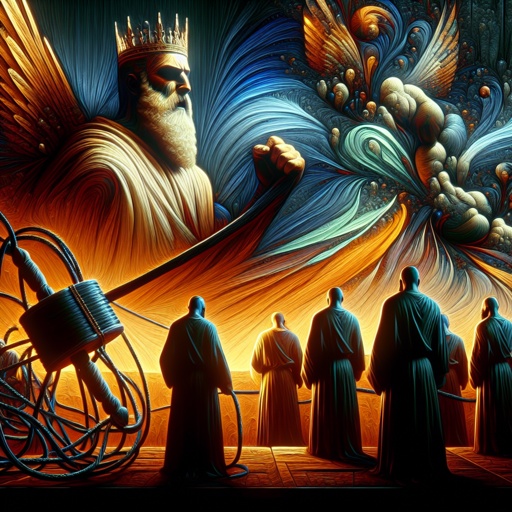
1 Kings 12:11

1 Kings 12:14

1 Kings 12:14

1 Kings 12:11

1 Kings 11:1-5

1 kings 3:12

1 Kings 11:5

1 Kings 5:2 - "And Solomon sent to Hiram, saying,"

1 Kings 12:1 - "And Rehoboam went to Shechem: for all Israel were come to Shechem to make him king."

Matthew 5:1 a 12

Matthew 5:1 a 12

1 Kings 16:5 - "Now the rest of the acts of Baasha, and what he did, and his might, are they not written in the book of the chronicles of the kings of Israel?"

1 Kings 12:19 - "So Israel rebelled against the house of David unto this day."

1 Kings 21:12 - "They proclaimed a fast, and set Naboth on high among the people."

1 Kings 12:12 - "¶ So Jeroboam and all the people came to Rehoboam the third day, as the king had appointed, saying, Come to me again the third day."

1 Corinthians 12:5 - "And there are differences of administrations, but the same Lord."
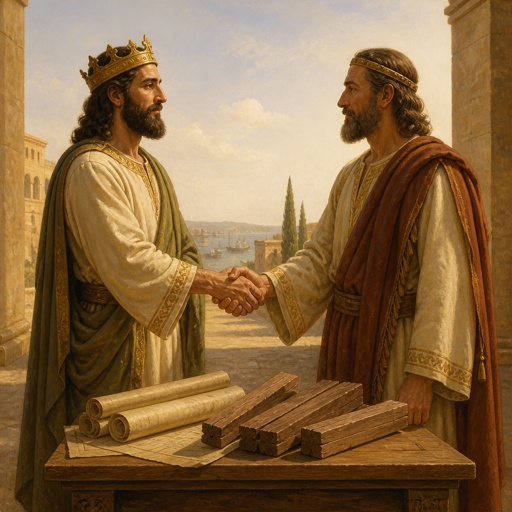
"And the LORD gave Solomon wisdom, as he promised him: and there was peace between Hiram and Solomon; and they two made a league together." - 1 Kings 5:12

1 Kings 12:22 - "But the word of God came unto Shemaiah the man of God, saying,"

1 Kings 12:13 - "And the king answered the people roughly, and forsook the old men's counsel that they gave him;"

2 Kings 12:5 - "Let the priests take it to them, every man of his acquaintance: and let them repair the breaches of the house, wheresoever any breach shall be found."