The Weight of Leadership: A Lesson from Rehoboam's Rejection
“Then king Rehoboam sent Adoram, who was over the tribute; and all Israel stoned him with stones, that he died. Therefore king Rehoboam made speed to get him up to his chariot, to flee to Jerusalem.” — 1 Kings 12:18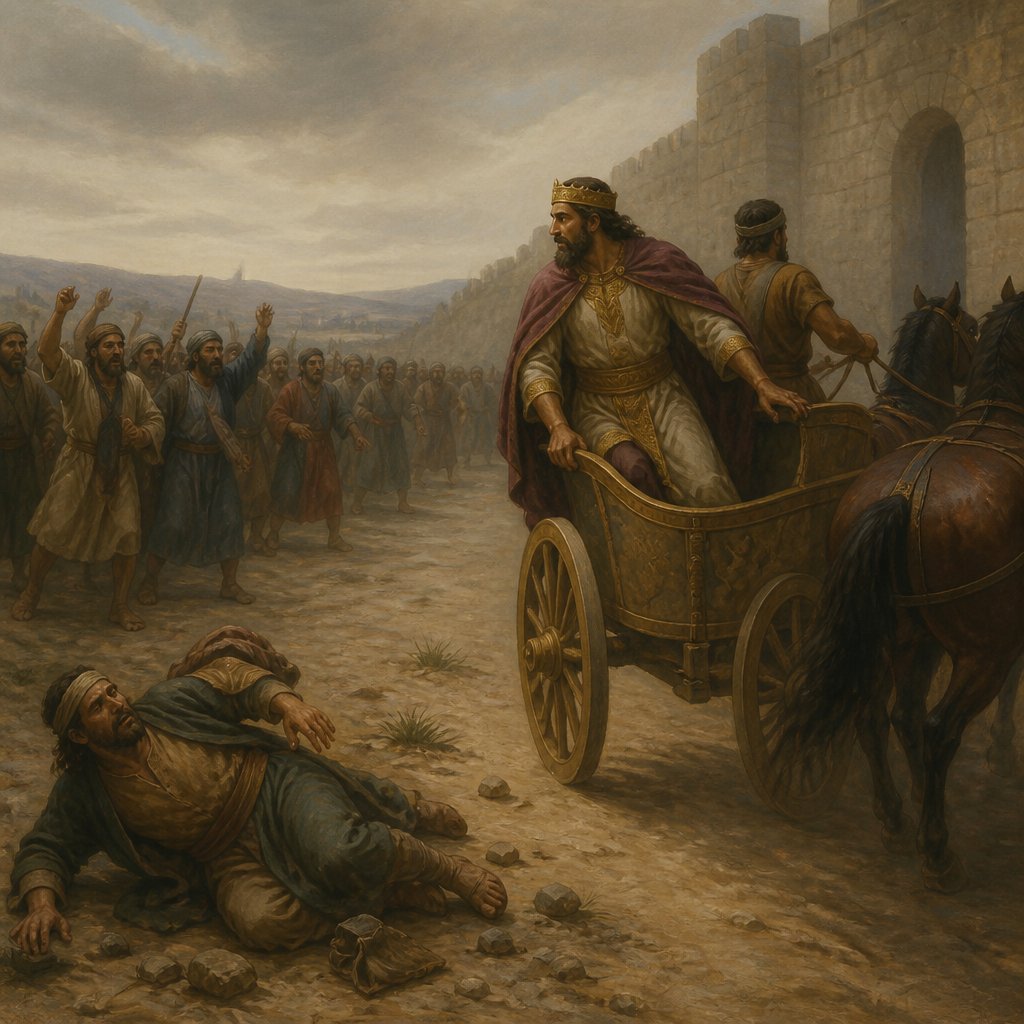
In the heart of the Old Testament narrative, the reign of King Rehoboam presents a profound lesson in the weightiness of leadership. The verse from 1 Kings 12:18 brings to light a crucial turning point in Israel’s history: "Then king Rehoboam sent Adoram, who was over the tribute; and all Israel stoned him with stones, that he died. Therefore king Rehoboam made speed to get him up to his chariot, to flee to Jerusalem." In this passage, we witness not merely the rejection of a king but the exclamation of a nation’s heart.
Rehoboam had just ascended to the throne following Solomon’s death, and he faced a significant decision; he was confronted by the people of Israel who were weary from the heavy taxation and forced labor imposed during Solomon's prosperous reign. They came to Rehoboam seeking relief and a promise of better governance. In this moment, the young king sought counsel from both the elders who had served his father and the youth who grew up with him. The elders advised him to lighten the burden, promising that the people would serve him loyally in return. However, the young men advised him to make his reign even more burdensome to solidify his power, proclaiming that he should tell the people: "My little finger shall be thicker than my father's loins" (1 Kings 12:10).
Rehoboam chose the counsel of the youth, disregarding the wisdom of the elders. This choice was a tragic reflection of his inexperience and the arrogance that can accompany power. As the new king alienated the northern tribes, the rejection culminated with the brutal incident involving Adoram. It was not merely the death of a servant but the manifestation of a nation’s rebellion against a leader who failed to recognize their needs. The stoning of Adoram symbolizes the people’s complete rejection of Rehoboam's authority, leading him to flee back to Jerusalem in fear. Ultimately, Rehoboam’s actions towards his people set a precedent that would haunt his reign—divided loyalties and strife that would culminate in the split of the kingdom.
As we meditate on this account, we might ponder on the nature of authority and leadership. Jesus Christ, the ultimate leader, stands in stark contrast to Rehoboam. Unlike the young king who was quick to enforce harshness, Christ offered love, mercy, and grace. He bore the weight of leadership by serving those around Him, washing His disciples’ feet, and ultimately offering Himself as a sacrifice on the cross (John 13:1-17; Philippians 2:6-8).
Rehoboam's experience teaches us how critical it is for leaders—be they in the church, at work, or within our families—to listen to wise counsel, recognizing the needs and concerns of those they lead. It serves as a reminder that authority is not merely about power or control, but about responsibility and stewardship. In our own lives, we must consider how we might lead with transparency, humility, and service. Are we attentive to the cries of those around us? Do we seek the wisdom of the seasoned before making hasty decisions?
Moreover, let us also be aware that our actions have consequences. Leaders and followers alike must remember that our responses to conflict can either sow seeds of division or foster unity. Rehoboam’s failure led to a fracture in his kingdom; may our responses lead to healing, connection, and better understanding.
As you reflect on this passage, meditate on your own role as a leader—regardless of the sphere of influence you hold. Ask God for the wisdom to listen to the voices around you, to weigh their words with grace and understanding, and to lead with the heart of Christ, ensuring that your decisions reflect love and compassion.
In this way, may we turn from the example of Rehoboam and instead cultivate a spirit of humility, striving to imitate Christ, the ultimate servant leader.
Get our apps


Artwork for 1 Kings 12:18

1 Kings 12:18 - "Then king Rehoboam sent Adoram, who was over the tribute; and all Israel stoned him with stones, that he died. Therefore king Rehoboam made speed to get him up to his chariot, to flee to Jerusalem."
"Then king Rehoboam sent Adoram, who was over the tribute; and all Israel stoned him with stones, that he died. Therefore king Rehoboam made speed to get him up to his chariot, to flee to Jerusalem." - 1 Kings 12:18

Job 12:18 - "He looseth the bond of kings, and girdeth their loins with a girdle."

1 Kings 12:11

1 Kings 12:11

1 Kings 12:10

1 Kings 12:10

1 Kings 12:10

1 Kings 12:11

1 Kings 12:10

1 Kings 12:11

1 Kings 12:14

1 Kings 12:14

1 Kings 12:11

1 Kings 19:1-18

Acts 18:12

1 Kings 4:18 - "Shimei the son of Elah, in Benjamin:"

1 Kings 9:18 - "And Baalath, and Tadmor in the wilderness, in the land,"

2 Kings 1:18 - "Now the rest of the acts of Ahaziah which he did, are they not written in the book of the chronicles of the kings of Israel?"

Psalm 10:12-18

1 Kings 1:18 - "And now, behold, Adonijah reigneth; and now, my lord the king, thou knowest it not:"

1 kings 3:12
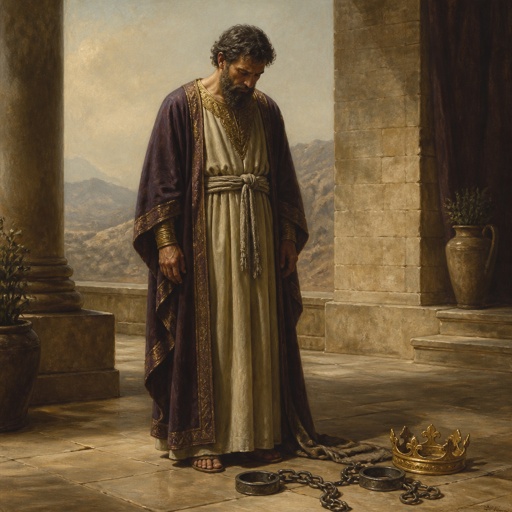
"He looseth the bond of kings, and girdeth their loins with a girdle." - Job 12:18

1 Kings 10:18 - "¶ Moreover the king made a great throne of ivory, and overlaid it with the best gold."

1 Kings 2:18 - "And Bath-sheba said, Well; I will speak for thee unto the king."

1 Kings 12:1 - "And Rehoboam went to Shechem: for all Israel were come to Shechem to make him king."

2 Kings 18:12 - "Because they obeyed not the voice of the LORD their God, but transgressed his covenant, and all that Moses the servant of the LORD commanded, and would not hear them, nor do them."

1 Kings 18:2 - "And Elijah went to shew himself unto Ahab. And there was a sore famine in Samaria."

Elijah in the scene 1 Kings 18:36–38

1 Kings 12:19 - "So Israel rebelled against the house of David unto this day."