The Unseen Goodness: A Legacy of Faithfulness
“And all Israel shall mourn for him, and bury him: for he only of Jeroboam shall come to the grave, because in him there is found some good thing toward the LORD God of Israel in the house of Jeroboam.” — 1 Kings 14:13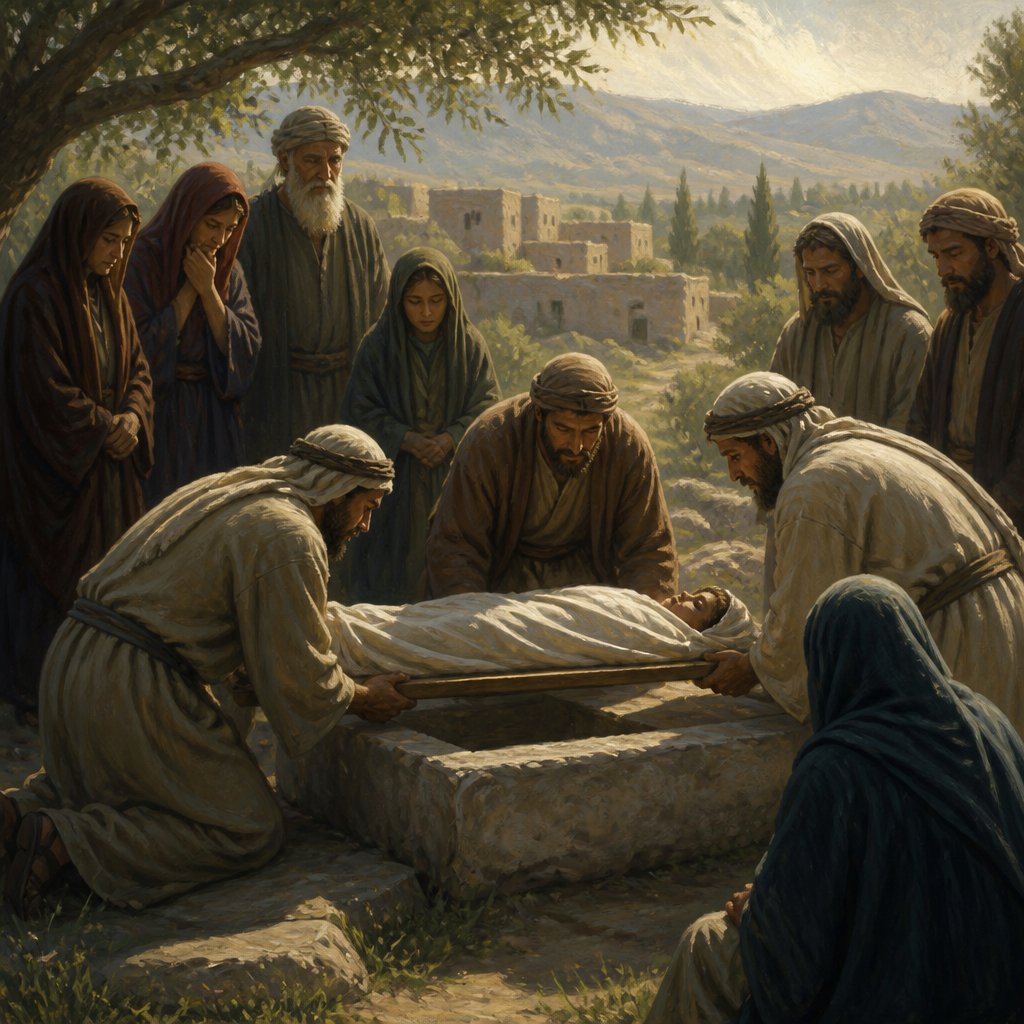
In the narrative of 1 Kings 14:13, we find a poignant moment amid the tumultuous reign of Jeroboam, the first king of Israel after the kingdom was divided. The scripture reads: "And all Israel shall mourn for him, and bury him: for he only of Jeroboam shall come to the grave, because in him there is found some good thing toward the LORD God of Israel in the house of Jeroboam."
This verse encapsulates a profound truth about legacy, the nature of goodness, and the grace of God amidst human failure. Jeroboam's reign was marked by idolatry and rebellion against God. He led the Israelites into sin by establishing places of worship that diverted their hearts from the true God of Israel. Yet, amidst this dark landscape, we find a solitary figure—Abijah, Jeroboam’s son. This young boy, who succumbed to illness, is recognized for having found favor in God’s eyes, a remarkable contrast to his father’s legacy.
At first glance, Abijah’s life might seem insignificant, a fleeting moment in the grand narrative of Israel’s history. However, God’s recognition of him speaks volumes about His grace and the potential for righteousness in every individual. It serves as a reminder that God can find and raise goodness even in the most adverse circumstances. Abijah’s influence—or rather, his faithful heart—serves as a beacon of hope, illustrating that no matter one’s lineage, position, or surroundings, there is always a pathway to God through faithfulness.
The mourning of Israel for Abijah highlights the impact one life can have even in the midst of corruption and failure. Those who opposed God’s commands were still able to see the goodness in Abijah. His presence was a reminder of what could have been for the house of Jeroboam had they chosen a different path. This reflects an essential aspect of human connection and understanding: often, we instinctively recognize goodness and are drawn to it, even if it exists amid a backdrop of decay and rebellion.
Reflecting on Abijah’s goodness offers us a larger picture of God’s mercy. His commendation didn’t depend on a perfect life—it wasn’t about the absence of sin or failure but rather the presence of a heart that sought after God. This raises essential questions for our own lives: What does it mean to pursue goodness? How do we ensure that our legacy honors God, especially in a world that often celebrates the opposite?
We are reminded that the legacy we leave is crafted not solely by our actions, but by our hearts. Abijah’s heart was inclined toward God, and throughout scripture, we see that God looks not at the external, but at the heart (1 Samuel 16:7). This passage challenges us to evaluate our pursuits and align our hearts with the will of God. In our families, workplaces, and communities, are we leaving behind a fragrance of faithfulness? Are our aspirations based on the fleeting pleasures of this life or grounded in the eternal values of the Kingdom of God?
As we meditate on this passage, let us also respond to the graceful invitation of God—to turn our hearts back to Him if we have strayed. Like Abijah, we may lie within a complex legacy, but God is inviting us into a new creation through His grace. No matter where we come from, it is never too late to seek His face with sincerity and depth.
Ultimately, the story of Abijah serves as a powerful reminder that God can place within us a goodness that can impact generations. In a world increasingly filled with turmoil and confusion, let us strive to be people of goodness—a legacy that reverberates through time, reflecting the heart of the Father. May our lives echo a committed pursuit of God, so that like Abijah, we may be remembered for the good nestled within our hearts.
Get our apps


Artwork for 1 Kings 14:13
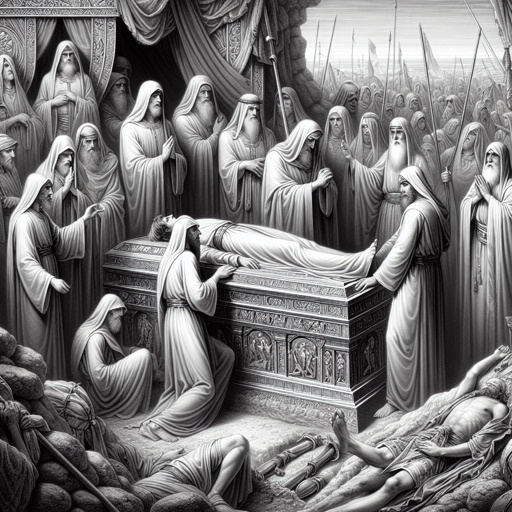
1 Kings 14:13 - "And all Israel shall mourn for him, and bury him: for he only of Jeroboam shall come to the grave, because in him there is found some good thing toward the LORD God of Israel in the house of Jeroboam."
"And all Israel shall mourn for him, and bury him: for he only of Jeroboam shall come to the grave, because in him there is found some good thing toward the LORD God of Israel in the house of Jeroboam." - 1 Kings 14:13

1 Kings 14:1-20

1 Kings 14:26
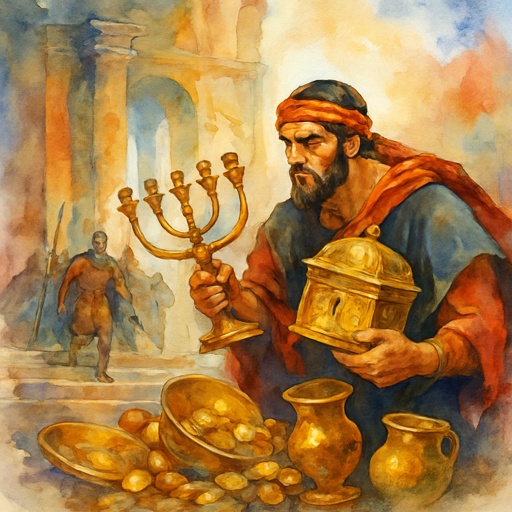
1 Kings 14:26

1 Kings 13:14 - "And went after the man of God, and found him sitting under an oak: and he said unto him, Art thou the man of God that camest from Judah? And he said, I am."

1 Kings 11:13

1 Kings 11:13

1 Kings 12:14

1 Kings 12:14

1 Kings 14:1 - "At that time Abijah the son of Jeroboam fell sick."

Daniel 4:13-14

Psalm 27:13-14

1 Kings 6:11-13

1 kings 11:11-13

1 Kings 11:11-13

1 Kings 9:14 - "And Hiram sent to the king sixscore talents of gold."

1 Kings 14:29 - "¶ Now the rest of the acts of Rehoboam, and all that he did, are they not written in the book of the chronicles of the kings of Judah?"

1 Kings 16:14 - "Now the rest of the acts of Elah, and all that he did, are they not written in the book of the chronicles of the kings of Israel?"

1 Kings 6:11-13

1 Kings 6:11-13

1 Kings 6:11-13

1 Kings 6:11-13

1 Kings 11:11-13

1 Kings 6:14 - "So Solomon built the house, and finished it."

1 Kings 4:14 - "Ahinadab the son of Iddo had Mahanaim:"

1 Kings 7:13 - "¶ And king Solomon sent and fetched Hiram out of Tyre."

1 Kings 21:14 - "Then they sent to Jezebel, saying, Naboth is stoned, and is dead."

1 Kings 14:30 - "And there was war between Rehoboam and Jeroboam all their days."

1 Kings 14:19 - "And the rest of the acts of Jeroboam, how he warred, and how he reigned, behold, they are written in the book of the chronicles of the kings of Israel."