Provoked to Anger: The Legacy of Sin
“For all the sins of Baasha, and the sins of Elah his son, by which they sinned, and by which they made Israel to sin, in provoking the LORD God of Israel to anger with their vanities.” — 1 Kings 16:13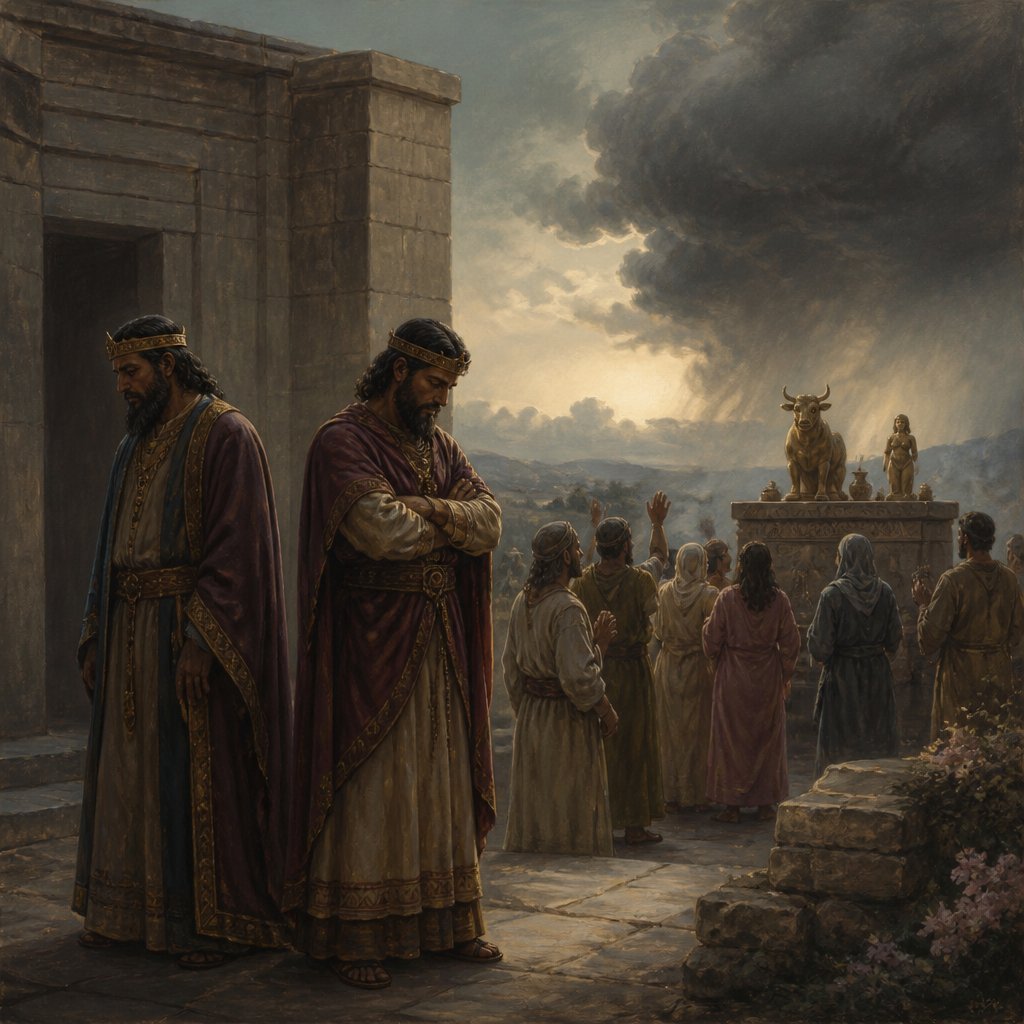
1 Kings 16:13 (KJV) reminds us of a poignant biblical truth: "For all the sins of Baasha, and the sins of Elah his son, by which they sinned, and by which they made Israel to sin, in provoking the LORD God of Israel to anger with their vanities." This verse encapsulates the consequences of sin—not just for the individuals directly engaged in sinning but also for the community that follows their example.
The narrative surrounding Baasha and his son Elah provides us with invaluable insight into the nature of sin and its ripple effect within society. Baasha, a king of Israel, was not only marked by his own wickedness but also the perpetuation of sin through his lineage. His actions led not only to personal transgression but also to a broader impact; he caused Israel to sin. The interpretation here is clear: leaders carry significant responsibility. Their actions or lack thereof can influence the moral compass of the people they lead.
In our contemporary society, we wrestle with similar principles. Many leaders—whether in politics, business, churches, or households—have the power to shape norms and behaviors. When they stray from righteousness, it does not just affect them; it creates a spiritual and moral crisis among those who look up to them. The phrase "provoking the LORD God of Israel to anger" is significant, urging us to contemplate the gravity of provoking God through our collective vanities. In the context of our relationship with God, the term "vanities" speaks to the things that we might pursue, believing they hold value, but which ultimately are empty or devoid of divine significance.
It's essential to discuss what these vanities might entail. They can present themselves as the pursuit of material wealth, status, or power—anything that takes precedence over our relationship with God. In our lives, what are the things we chase that could be seen as vanity? Is it social media validation? Accumulation of wealth? Careers at the expense of family and devotion? When these gain priority, they provoke God’s anger, as they indicate a departure from true worship and reverence towards Him. God desires our hearts, our undivided devotion, and when we give ourselves to empty pursuits, we risk drawing away from true life.
Additionally, the exhortation here compels us to consider how our individual choices create a climate for collective sinfulness; what we tolerate at the individual level can seep into the church, community, and ultimately, the nation. Each decision to stray from God contributes to a culture that may foster further disobedience. Thus, we are not just called to protect our relationship with God for ourselves but to actively embody a life that draws others closer, leading them in the truth rather than away from it.
We cannot dismiss the sobering reflection on the wrath of God. It is easy in a grace-focused message to forget the seriousness of sin and the reality of divine anger towards unrepentant hearts. The sins of Baasha and Elah remind us of a vital truth: God's justice sees these actions for what they are. There is a higher standard to which we are called, particularly as we lead and influence others.
Let us take heed from this narrative not just as an indictment but also as a directive. May we examine our hearts for any hidden vanities and not shy away from confession and repentance. Reflecting on our lives, let us commit to purging those things that provoke God’s anger—those elements leading ourselves and others into sin. The call to holiness is a serious one; let us act so that the legacy we leave is one that draws others into authentic relationship with Christ instead of into the quagmire of sin that leads to destruction.
As we submit our lives to God and seek to encourage those around us, let’s strive for a community characterized by faithfulness and righteousness, recognizing the weight of our influence. In doing so, we not only please God, but we protect not just ourselves, but our families, communities, and legacy from the shadow of sin that leads to anger and despair.
Get our apps


Artwork for 1 Kings 16:13
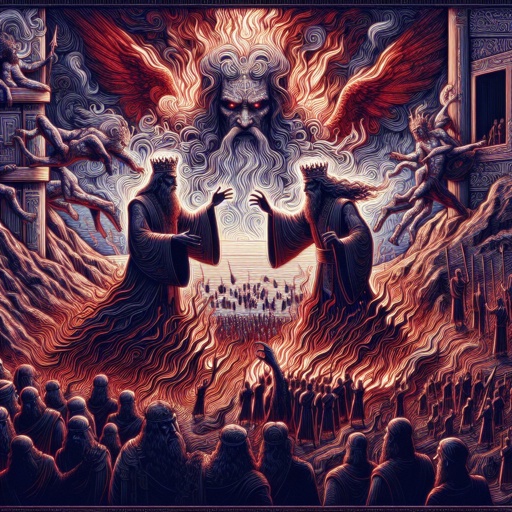
1 Kings 16:13 - "For all the sins of Baasha, and the sins of Elah his son, by which they sinned, and by which they made Israel to sin, in provoking the LORD God of Israel to anger with their vanities."
"For all the sins of Baasha, and the sins of Elah his son, by which they sinned, and by which they made Israel to sin, in provoking the LORD God of Israel to anger with their vanities." - 1 Kings 16:13

1 Kings 13:16 - "And he said, I may not return with thee, nor go in with thee: neither will I eat bread nor drink water with thee in this place:"

Proverbs 16:13 - "Righteous lips are the delight of kings; and they love him that speaketh right."

1 Samuel 16:1–13

revelation 1:13-16

1 Kings 11:13

1 Kings 11:13

Luke 16:1-13

Revelations 1:13-16

Luke 16:1-13

Luke 16:1-13

1 Kings 20:16 - "And they went out at noon. But Ben-hadad was drinking himself drunk in the pavilions, he and the kings, the thirty and two kings that helped him."

Mark 10:13–16

1 Kings 16:14 - "Now the rest of the acts of Elah, and all that he did, are they not written in the book of the chronicles of the kings of Israel?"

1 Kings 6:11-13

1 kings 11:11-13

1 Kings 11:11-13

1 Kings 1:16 - "And Bath-sheba bowed, and did obeisance unto the king. And the king said, What wouldest thou?"

1 Kings 4:16 - "Baanah the son of Hushai was in Asher and in Aloth:"

1 Kings 16:1 - "Then the word of the LORD came to Jehu the son of Hanani against Baasha, saying,"

2 Kings 16:13 - "And he burnt his burnt offering and his meat offering, and poured his drink offering, and sprinkled the blood of his peace offerings, upon the altar."

1 Kings 6:11-13

1 Kings 6:11-13

1 Kings 6:11-13

1 Kings 6:11-13

1 Kings 11:11-13

1 Kings 16:20 - "Now the rest of the acts of Zimri, and his treason that he wrought, are they not written in the book of the chronicles of the kings of Israel?"

1 Kings 16:5 - "Now the rest of the acts of Baasha, and what he did, and his might, are they not written in the book of the chronicles of the kings of Israel?"

1 Timothy 6:15-16 – "God, the blessed and only Ruler, the King of kings and Lord of lords."