The Courage to Stand: A Devotional on 1 Kings 18:8
“And he answered him, I am: go, tell thy lord, Behold, Elijah is here.” — 1 Kings 18:8
In the book of 1 Kings, we encounter the prophet Elijah, a man whose life and ministry were marked by intense trials and tremendous faith. In 1 Kings 18:8, we find a pivotal moment in Elijah's ministry: "And he answered him, I am: go, tell thy lord, Behold, Elijah is here." This simple yet profound statement embodies courage, identity, and divine purpose.
To understand the gravity of Elijah's declaration, we must first appreciate the backdrop of his situation. Elijah lived during a time when Israel was engulfed in spiritual darkness under King Ahab’s reign, primarily due to the influence of Queen Jezebel and the worship of Baal. The people's hearts turned away from the One True God, and a severe drought plagued the land as a consequence of their idolatry. Elijah, chosen by God, stood alone against a tide of opposition, facing not only a lost nation but also powerful political figures intent on snuffing out the light of truth.
When Elijah says, "I am," he boldly identifies himself, underscoring his role as a prophet of the Lord. It is not merely a casual introduction; rather, it signifies his unwavering stance as an ambassador of God, a bearer of divine messages amidst chaos. In a world where identities are often confused and compromised, Elijah's affirmation of his identity in the Lord challenges us to reflect on who we are in Christ. As believers, we are called to recognize our identity anchored in God—a foundation that provides the strength to endure difficulties and the courage to confront injustices.
Elijah’s directive to tell Ahab, "Behold, Elijah is here," highlights the urgency of his mission and the importance of fulfilling God’s will. In a society that often promotes silence in the face of wrongdoing, Elijah exemplifies the call to speak boldly, representing God’s truth. Each of us faces moments in life when we must stand firm, especially when confronted by ideologies or practices contrary to our faith. Herein lies the challenge: will we speak out? Will we carry the message that God has placed upon our hearts, regardless of the consequences? Elijah’s example encourages us to embrace our calling, regardless of personal risk.
Additionally, it's worth noting that Elijah's proclamation came at a time when his life was at stake. He had been in hiding, enduring hardship and opposition, yet there he was, ready to declare himself to the king, knowing well the repercussions that could ensue. This profound bravery reminds us to rely on God’s strength. In Philippians 4:13, we read, "I can do all things through Christ which strengtheneth me." Elijah embodied this verse—his actions portrayed unwavering trust in God’s sufficiency. When we face our own challenges, may we draw from this wellspring of strength, turning our eyes away from our weakness and toward God’s power.
In essence, Elijah was not merely confronting a king; he was engaging in a spiritual warfare, aiming to reclaim the hearts of the people for God. So, too, are we called to engage in this daily battle—to be voices of truth in a world that often prefers silence. As we reflect on 1 Kings 18:8, let us take courage in our own lives, putting aside fears of ridicule or rejection, and step boldly into our roles as ambassadors for Christ.
In conclusion, Elijah’s declaration, "I am: go, tell thy lord, Behold, Elijah is here," resonates as a challenge for each of us to embrace our identity in Christ and fulfill our divine calling with courage and conviction. May we not shy away from our responsibilities as heralds of truth, but rather, empowered by the Holy Spirit, go forth to declare, "I am, and behold, I am here to serve the Lord." Amen.
Get our apps


Artwork for 1 Kings 18:8

1 Kings 18:8 - "And he answered him, I am: go, tell thy lord, Behold, Elijah is here."

"And he answered him, I am: go, tell thy lord, Behold, Elijah is here." - 1 Kings 18:8

1 Kings 8:18 - "And the LORD said unto David my father, Whereas it was in thine heart to build an house unto my name, thou didst well that it was in thine heart."

2 Kings 8:18 - "And he walked in the way of the kings of Israel, as did the house of Ahab: for the daughter of Ahab was his wife: and he did evil in the sight of the LORD."

1 Kings 19:1-18

1 Kings 8:6-8

1 Kings 4:18 - "Shimei the son of Elah, in Benjamin:"

1 Kings 9:18 - "And Baalath, and Tadmor in the wilderness, in the land,"

2 Kings 18:8 - "He smote the Philistines, even unto Gaza, and the borders thereof, from the tower of the watchmen to the fenced city."

2 Kings 1:18 - "Now the rest of the acts of Ahaziah which he did, are they not written in the book of the chronicles of the kings of Israel?"

1 Kings 1:18 - "And now, behold, Adonijah reigneth; and now, my lord the king, thou knowest it not:"

1 Kings 8:10

1 kings 8:7

1 Kings 8:22

1 Kings 8:21

1 Kings 8:10

Luke 8:4-18
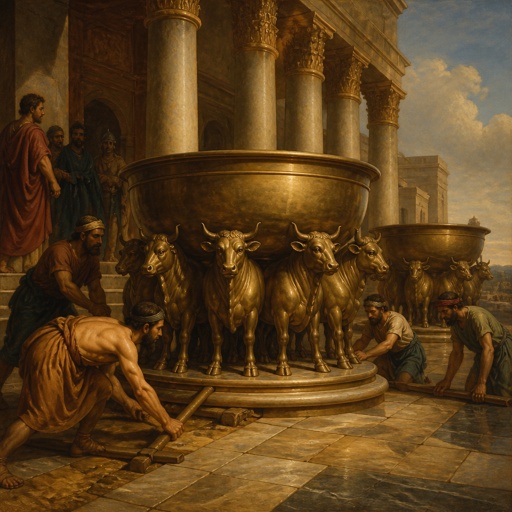
1 kings 7:8

1 Kings 8:10

1 Kings 8:21

1 Kings 8:10

1 Kings 8:10

1 Kings 8:21

1 kings 8:7

1 Kings 8:7

1 Kings 8:10

1 Kings 8:21

1 Kings 8:10

1 Kings 10:18 - "¶ Moreover the king made a great throne of ivory, and overlaid it with the best gold."

1 Kings 2:18 - "And Bath-sheba said, Well; I will speak for thee unto the king."