The Cost of Disobedience: Lessons from 1 Kings 20:37
“Then he found another man, and said, Smite me, I pray thee. And the man smote him, so that in smiting he wounded him.” — 1 Kings 20:37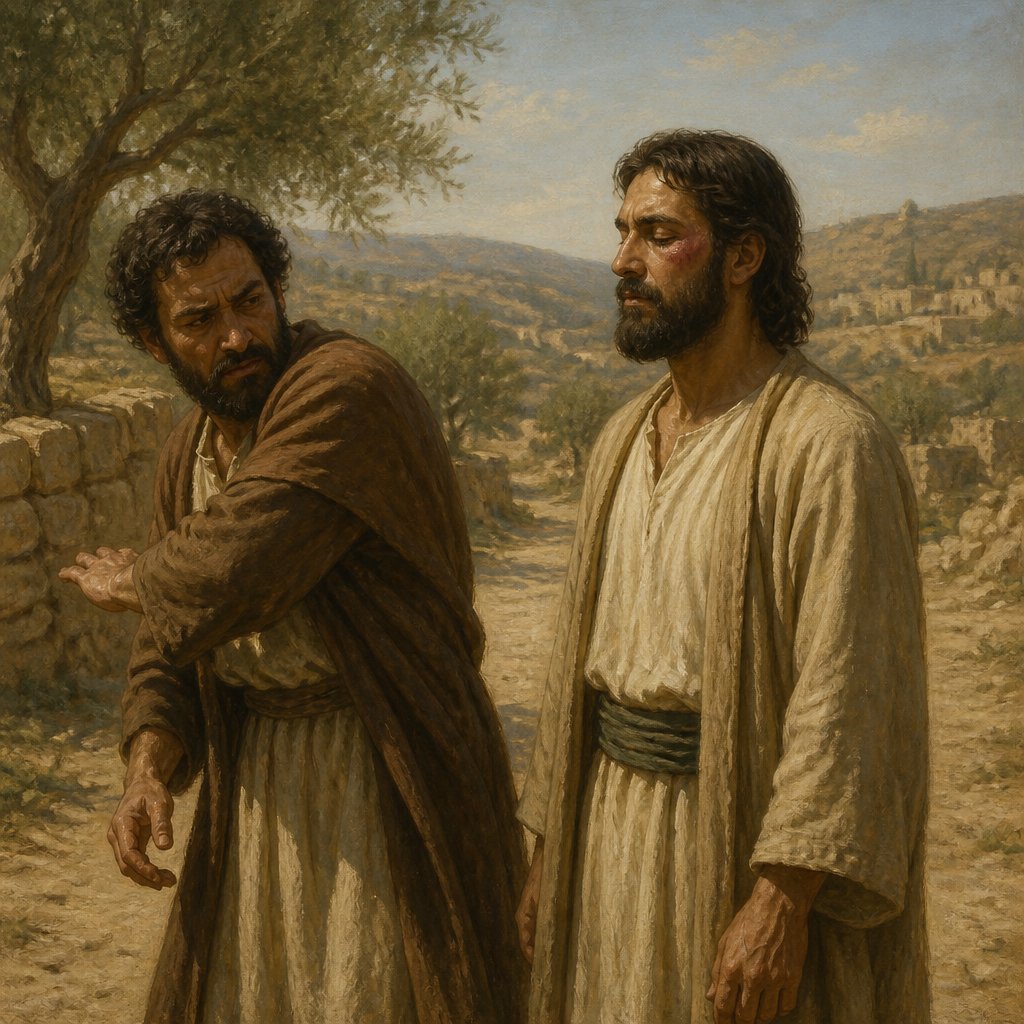
In 1 Kings 20:37, we encounter a poignant moment in the life of a prophet of God: "Then he found another man, and said, Smite me, I pray thee. And the man smote him, so that in smiting he wounded him." This verse encapsulates not just a physical act of striking but also unveils layers of spiritual truth and obedience to God’s will.
To fully understand this scene, we must remember that the prophet is tasked with delivering God's judgment to King Ahab. He had previously been instructed to wear a disguise and convey a parable to the king, illustrating the peril of his disobedience (1 Kings 20:35-36). The request for a wound is not just an arbitrary choice; it serves a critical purpose in portraying the message he is about to deliver. A visible injury would garner the attention and concern of the king, priming him for the revelation of his fate.
The act of wounding becomes a profound metaphor for our own spiritual journeys. Often, we are called to experience discomfort or trials to illustrate the lessons God wants us to absorb. The prophet’s request for a wound can mirror our willingness to endure hardship for the sake of God's greater purpose. In this light, we must ask ourselves: are we willing to bear the wounds that lead others to Christ?
Moreover, consider the man who smote the prophet. Why would he comply with such a request? The text does not provide details about his background, thoughts, or motives. This prompts us to reflect on our responses to the requests of God in our lives. Are we obedient when we feel called to act? Do we understand the weight of our obedience and how it fits into God's overarching plan? Divine instructions may sometimes seem perplexing or even burdensome, yet they are always crafted with intentionality. In our ambivalence, we must silence the voices of doubt and lean on the truth that God is in control.
In a broader context, this scripture speaks directly to issues of authority and accountability. King Ahab, despite his kingship, was a servant of the Most High, with his actions subject to divine scrutiny. Similarly, we – though we may hold positions of influence or autonomy in our lives – are still held accountable for our decisions and actions. This prophetic encounter forces Ahab to confront his own inadequacies and the consequences of his decisions. In what ways are we resisting the call to accountability in our lives? Do we shy away from confronting our faults for fear of the pain it will cause us?
The act of wounding has a dual meaning: it signifies both hurt and healing. For the prophet, the pain inflicted must have come with a mix of emotions – the sadness of being physically harmed paired with the knowledge that it served a divine purpose. For us, too, God’s discipline can be painful but ultimately leads to healing and restoration. Hebrews 12:11 reminds us: "Now no chastening for the present seemeth to be joyous, but grievous: nevertheless afterward it yieldeth the peaceable fruit of righteousness unto them which are exercised thereby." To embrace discipline as part of our spiritual growth is to trust in God’s character, believing that He knows what we need to transform us into His likeness.
Finally, let this verse compel us to introspectively examine our lives, the wounds we bear, and the obedience we owe. Each strike we endure could represent a stage of our sanctification – shaping us to be more Christ-like and more effective in ministry. May we, like the prophet, identify what it means to truly submit to God's will, allowing even our wounds to communicate His love and grace to others. Let us resolve not only to embrace the wounds of life but to understand them as part of our beautiful walk with God.
Get our apps


Artwork for 1 Kings 20:37

1 Kings 20:37 - "Then he found another man, and said, Smite me, I pray thee. And the man smote him, so that in smiting he wounded him."
"Then he found another man, and said, Smite me, I pray thee. And the man smote him, so that in smiting he wounded him." - 1 Kings 20:37

1 Kings 22:37 - "¶ So the king died, and was brought to Samaria; and they buried the king in Samaria."

1 Kings 6:37 - "¶ In the fourth year was the foundation of the house of the LORD laid, in the month Zif:"

1 Kings 14:1-20

1 Kings 11:37 - "And I will take thee, and thou shalt reign according to all that thy soul desireth, and shalt be king over Israel."

1 Kings 1:37 - "As the LORD hath been with my lord the king, even so be he with Solomon, and make his throne greater than the throne of my lord king David."

1 Kings 7:37 - "After this manner he made the ten bases: all of them had one casting, one measure, and one size."

1 Kings 20:16 - "And they went out at noon. But Ben-hadad was drinking himself drunk in the pavilions, he and the kings, the thirty and two kings that helped him."

1 Samuel 20:37 - "And when the lad was come to the place of the arrow which Jonathan had shot, Jonathan cried after the lad, and said, Is not the arrow beyond thee?"

1 Kings 8:37 - "¶ If there be in the land famine, if there be pestilence, blasting, mildew, locust, or if there be caterpiller; if their enemy besiege them in the land of their cities; whatsoever plague, whatsoever sickness there be;"

1 Kings 20:24 - "And do this thing, Take the kings away, every man out of his place, and put captains in their rooms:"

1 Kings 16:20 - "Now the rest of the acts of Zimri, and his treason that he wrought, are they not written in the book of the chronicles of the kings of Israel?"

"¶ So the king died, and was brought to Samaria; and they buried the king in Samaria." - 1 Kings 22:37

2 Chronicles 20:37

1 Kings 20:20 - "And they slew every one his man: and the Syrians fled; and Israel pursued them: and Ben-hadad the king of Syria escaped on an horse with the horsemen."

1 Kings 20:1 - "And Ben-hadad the king of Syria gathered all his host together: and there were thirty and two kings with him, and horses, and chariots: and he went up and besieged Samaria, and warred against it."

1 Kings 20:43 - "And the king of Israel went to his house heavy and displeased, and came to Samaria."

"¶ In the fourth year was the foundation of the house of the LORD laid, in the month Zif:" - 1 Kings 6:37

1 Kings 18:37 - "Hear me, O LORD, hear me, that this people may know that thou art the LORD God, and that thou hast turned their heart back again."

1 Kings 20:21 - "And the king of Israel went out, and smote the horses and chariots, and slew the Syrians with a great slaughter."

1 Kings 20:38 - "So the prophet departed, and waited for the king by the way, and disguised himself with ashes upon his face."

Acts 20:37 - "And they all wept sore, and fell on Paul's neck, and kissed him,"

1 Kings 20:19 - "So these young men of the princes of the provinces came out of the city, and the army which followed them."

1 Kings 20:8 - "And all the elders and all the people said unto him, Hearken not unto him, nor consent."

1 Kings 4:20 - "¶ Judah and Israel were many, as the sand which is by the sea in multitude, eating and drinking, and making merry."

1 Kings 13:20 - "¶ And it came to pass, as they sat at the table, that the word of the LORD came unto the prophet that brought him back:"

1 Kings 2:37 - "For it shall be, that on the day thou goest out, and passest over the brook Kidron, thou shalt know for certain that thou shalt surely die: thy blood shall be upon thine own head."

1 Kings 20:2 - "And he sent messengers to Ahab king of Israel into the city, and said unto him, Thus saith Ben-hadad,"

1 Kings 20:41 - "And he hasted, and took the ashes away from his face; and the king of Israel discerned him that he was of the prophets."