The Cost of Truth: A Reflection on Micaiah's Prophecy
“And the king said unto him, How many times shall I adjure thee that thou tell me nothing but that which is true in the name of the LORD?” — 1 Kings 22:16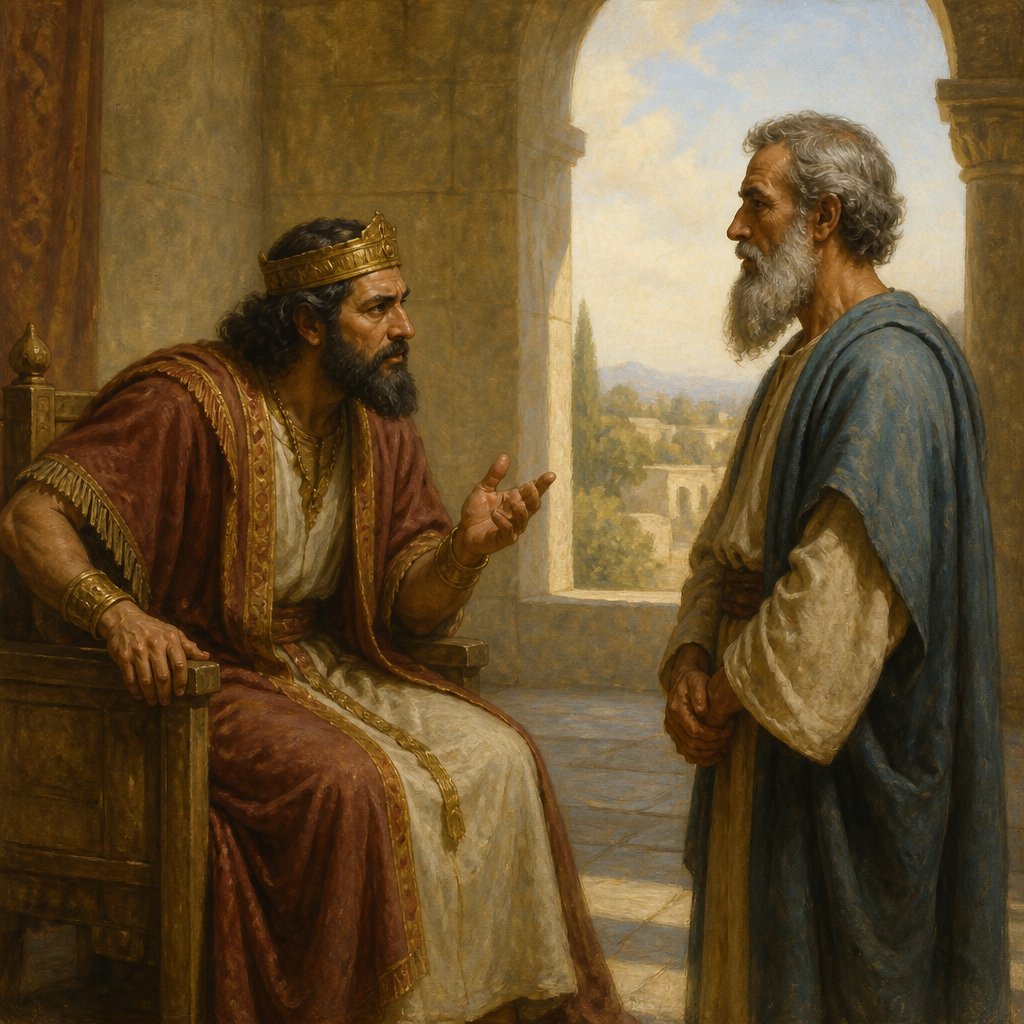
In the reign of King Ahab of Israel, a crucial moment arises in 1 Kings 22 that reveals the often conflicting nature of truth, authority, and human desire. King Ahab, along with King Jehoshaphat of Judah, seeks counsel from the prophets about an impending battle against Ramoth-Gilead. The majority of the prophets proclaim a favorable outcome, but Micaiah, a lone voice of truth, is called upon to deliver a message of divine revelation.
Verse 16 reads, "And the king said unto him, How many times shall I adjure thee that thou tell me nothing but that which is true in the name of the LORD?" This moment serves as a powerful reminder of the tension inherent in the pursuit of truth. Ahab, who had surrounded himself with flattering prophets, finds himself confronted yet again with the reality that the truth may not align with his desires.
Ahab’s question to Micaiah implies a desperate plea for assurance, a request grounded in fear and the looming consequences of war. It signifies his acknowledgment of Micaiah’s reputation as a prophet who does not shy away from speaking the truth, even when it is uncomfortable or unwelcome. The phrase "nothing but that which is true in the name of the LORD" reveals Ahab's understanding that the truth carries the weight of divine authority, and in times of uncertainty, it is essential to seek it out—yet it also reflects his own reluctance to accept the truth when it strikes against his ambitions.
How often do we, like Ahab, find ourselves in circumstances where the voices around us commend us to pursue a path that we desire, but deep within our hearts, we sense the Holy Spirit beckoning us to listen for a different message? In our society, it is all too easy to surround ourselves with affirmations that cater to our preferences rather than the truth that leads us in accordance with God’s will. Herein lies the conflict: will we choose to heed the counsel that satisfies our wishes or that which aligns with divine guidance?
Micaiah, however, exemplifies the role of the faithful servant. He embodies a commitment to truth that transcends the fear of human consequences. He proclaims the sobering reality of what awaits Ahab should he choose to engage in battle: a prophecy that foretells not victory, but defeat. Micaiah’s unwavering commitment to speaking the truth was not without cost; it would lead to his imprisonment, highlighting the often perilous road that those who seek and proclaim truth must traverse.
This passage challenges us to examine our own lives. What are we willing to sacrifice in our pursuit of truth? Are we prepared to listen to the message God has for us, even if it contradicts our desires? Micaiah's integrity serves as a reminder that truth often requires courage in the face of adversity. It urges us to be diligent in our pursuit of authentic discipleship, being cognizant that the truth may not always be pleasing but is nonetheless essential for our spiritual growth.
As we consider Ahab’s encounter with Micaiah, let us ask the Lord to cultivate a heart that craves truth above all else. Let us seek to find comfort not in the approval of those around us but in the assurance of God’s will, as revealed through His Word and through the guidance of the Holy Spirit.
In closing, may we have the courage to stand resolutely in the truth as Micaiah did, knowing that true obedience is often met with resistance but brings us closer to God’s intended path for our lives. As we navigate the complexities of our own choices and circumstances, let us continuously seek the strength to proclaim the truth, regardless of the personal cost, and trust that the Lord is sovereign over all outcomes.
Get our apps


Artwork for 1 Kings 22:16
1 Kings 22:16 - "And the king said unto him, How many times shall I adjure thee that thou tell me nothing but that which is true in the name of the LORD?"
"And the king said unto him, How many times shall I adjure thee that thou tell me nothing but that which is true in the name of the LORD?" - 1 Kings 22:16
1 Kings 16:22 - "But the people that followed Omri prevailed against the people that followed Tibni the son of Ginath: so Tibni died, and Omri reigned."

1 kings 22:19

1 Kings 8:22

1 Kings 22:47 - "There was then no king in Edom: a deputy was king."

1 Kings 22:44 - "And Jehoshaphat made peace with the king of Israel."

1 Kings 22:1 - "And they continued three years without war between Syria and Israel."

1 Kings 1:22 - "¶ And, lo, while she yet talked with the king, Nathan the prophet also came in."

1 Kings 22:37 - "¶ So the king died, and was brought to Samaria; and they buried the king in Samaria."

1 Kings 20:16 - "And they went out at noon. But Ben-hadad was drinking himself drunk in the pavilions, he and the kings, the thirty and two kings that helped him."
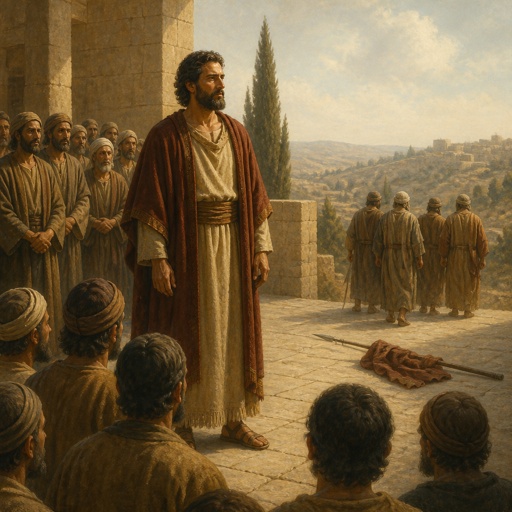
"But the people that followed Omri prevailed against the people that followed Tibni the son of Ginath: so Tibni died, and Omri reigned." - 1 Kings 16:22

1 Kings 16:14 - "Now the rest of the acts of Elah, and all that he did, are they not written in the book of the chronicles of the kings of Israel?"

2 Kings 22:16 - "Thus saith the LORD, Behold, I will bring evil upon this place, and upon the inhabitants thereof, even all the words of the book which the king of Judah hath read:"

1 Kings 1:16 - "And Bath-sheba bowed, and did obeisance unto the king. And the king said, What wouldest thou?"

1 Kings 4:16 - "Baanah the son of Hushai was in Asher and in Aloth:"

1 Kings 16:1 - "Then the word of the LORD came to Jehu the son of Hanani against Baasha, saying,"

1 Kings 22:29 - "So the king of Israel and Jehoshaphat the king of Judah went up to Ramoth-gilead."

1 Kings 22:45 - "Now the rest of the acts of Jehoshaphat, and his might that he shewed, and how he warred, are they not written in the book of the chronicles of the kings of Judah?"

1 Kings 16:20 - "Now the rest of the acts of Zimri, and his treason that he wrought, are they not written in the book of the chronicles of the kings of Israel?"

1 Kings 16:5 - "Now the rest of the acts of Baasha, and what he did, and his might, are they not written in the book of the chronicles of the kings of Israel?"

1 Kings 12:22 - "But the word of God came unto Shemaiah the man of God, saying,"

1 Timothy 6:15-16 – "God, the blessed and only Ruler, the King of kings and Lord of lords."

1 Timothy 6:15-16 – "God, the blessed and only Ruler, the King of kings and Lord of lords."
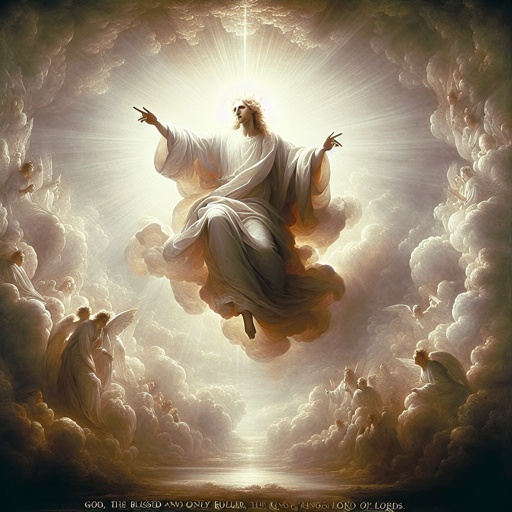
1 Timothy 6:15-16 – "God, the blessed and only Ruler, the King of kings and Lord of lords."

"There was then no king in Edom: a deputy was king." - 1 Kings 22:47

1 Kings 22:9 - "Then the king of Israel called an officer, and said, Hasten hither Micaiah the son of Imlah."

1 Kings 22:2 - "And it came to pass in the third year, that Jehoshaphat the king of Judah came down to the king of Israel."

1 Timothy 6:15-16 – "God, the blessed and only Ruler, the King of kings and Lord of lords."

1 Kings 15:16 - "¶ And there was war between Asa and Baasha king of Israel all their days."