Walking in Statutes: The Foundation of Divine Promise
“Concerning this house which thou art in building, if thou wilt walk in my statutes, and execute my judgments, and keep all my commandments to walk in them; then will I perform my word with thee, which I spake unto David thy father:” — 1 Kings 6:12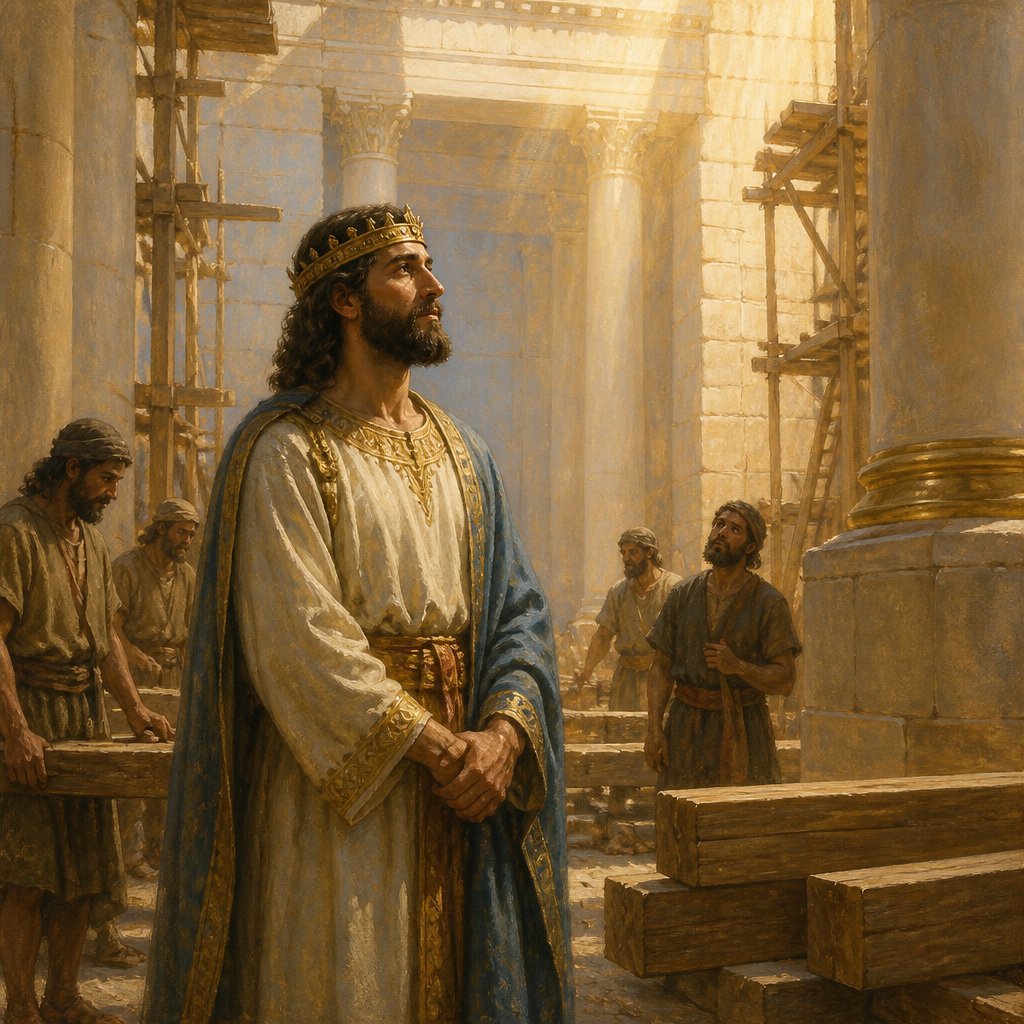
The verse from 1 Kings 6:12, "Concerning this house which thou art in building, if thou wilt walk in my statutes, and execute my judgments, and keep all my commandments to walk in them; then will I perform my word with thee, which I spake unto David thy father," presents a profound communication from God to Solomon amidst the monumental task of constructing the temple of the Lord in Jerusalem. This message encapsulates a pivotal principle: obedience to God's commands is foundational not only to the physical structure being built but also to the spiritual legacy that extends through generations.
As Solomon began this laborious task, we must understand the magnitude of the endeavor. This was no ordinary building; it was to be the dwelling place of the God of Israel, a sanctuary where His presence would manifest among His people. The instructions from God were clear and extensive, reflecting not just architectural details but a divine blueprint for a community in covenant with Him. In this context, God draws an essential correlation between the success of Solomon's undertaking and his personal adherence to divine statutes. His promise includes not just the prosperity of the physical temple but a profound commitment to Solomon and his lineage.
Walking in God's statutes refers to the continuous journey of adhering to His laws and principles. In the Hebrew understanding, "walking" signifies a lifestyle or manner of living that is consistent with one's beliefs and way of seeing the world. It is not a momentary act but a sustained practice of faithfulness and righteousness. God, thus, requires that Solomon's commitment to these statutes be genuine and constant. To execute God’s judgments is to act justly, ensuring that one’s decisions are in alignment with God’s truth. Furthermore, keeping all of His commandments involves a sincere dedication to live by His word in all aspects of life—both personally and communally.
What stands out in this promise is that God does not merely issue commands without the assurance of reciprocation; He states, "then will I perform my word with thee." This conditional promise indicates a deeper relationship based on trust and obedience. God has spoken, and His word is not void. It carries power and a divine intent tied to His covenant with David. Solomon's adherence would not only shape the immediate experience of God's presence in the temple, but it also promises a divine continuity that blesses his lineage for generations to come.
Reflecting on this text invites us to explore our own spiritual house. Just as God made specific promises to Solomon concerning the temple, He also lays out a path for us in our spiritual endeavors today. Are we walking in His statutes? How well are we executing His judgments? Such introspection leads to a transformative realization of our covenant relationship with God. He desires that our lives encapsulate His principles, and in return, He proves faithful to His promises.
Moreover, this promise unfolds a broader theme of covenant theology—one that directly ties into the New Covenant established through Jesus Christ. In the New Testament, we too are called to be temples of the Holy Spirit (1 Corinthians 6:19). The principle remains; our willingness to live according to God’s statutes invites His presence and blessings into our lives.
The call to obedience is not simply about following rules; it is about cultivating an intimate relationship with our Creator—a bond that flourishes through faithfulness, love, and trust. We are invited to evaluate how our lives align with God's commands, recognizing the joy and blessing that come from obedience.
As we walk forward, let us remember that our spiritual house is built upon the cornerstone of obedience to God's word, and as we do this, we can be assured of His promises in our lives. God is faithful to perform His word in us when we walk in His ways.
Get our apps


Artwork for 1 Kings 6:12

1 Kings 6:12 - "Concerning this house which thou art in building, if thou wilt walk in my statutes, and execute my judgments, and keep all my commandments to walk in them; then will I perform my word with thee, which I spake unto David thy father:"
"Concerning this house which thou art in building, if thou wilt walk in my statutes, and execute my judgments, and keep all my commandments to walk in them; then will I perform my word with thee, which I spake unto David thy father:" - 1 Kings 6:12

1 Kings 12:6 - "¶ And king Rehoboam consulted with the old men, that stood before Solomon his father while he yet lived, and said, How do ye advise that I may answer this people?"

1 Kings 6:11-13

1 Kings 6:11-13

1 Kings 6:11-13

1 Kings 6:11-13

1 Kings 6:11-13

2 Kings 12:6 - "But it was so, that in the three and twentieth year of king Jehoash the priests had not repaired the breaches of the house."

1 Kings 12:11

1 Kings 12:11

1 Kings 12:10

1 Kings 12:10

1 Kings 12:10

1 kings 3:12

1 Kings 12:11

1 Kings 12:10

1 Kings 12:11

1 Kings 12:14

1 Kings 12:14

1 Kings 12:11

2 Kings 6:12 - "And one of his servants said, None, my lord, O king: but Elisha, the prophet that is in Israel, telleth the king of Israel the words that thou speakest in thy bedchamber."

1 Kings 12:1 - "And Rehoboam went to Shechem: for all Israel were come to Shechem to make him king."

1 Kings 6:28 - "And he overlaid the cherubims with gold."

1 Kings 8:6-8

Ezra 6:1-12

1 Kings 6:14 - "So Solomon built the house, and finished it."

1 Kings 6:11 - "¶ And the word of the LORD came to Solomon, saying,"

1 Kings 21:12 - "They proclaimed a fast, and set Naboth on high among the people."

1 Kings 12:12 - "¶ So Jeroboam and all the people came to Rehoboam the third day, as the king had appointed, saying, Come to me again the third day."