The Faithfulness of God: A Legacy of Promise
“And he said, Blessed be the LORD God of Israel, which spake with his mouth unto David my father, and hath with his hand fulfilled it, saying,” — 1 Kings 8:15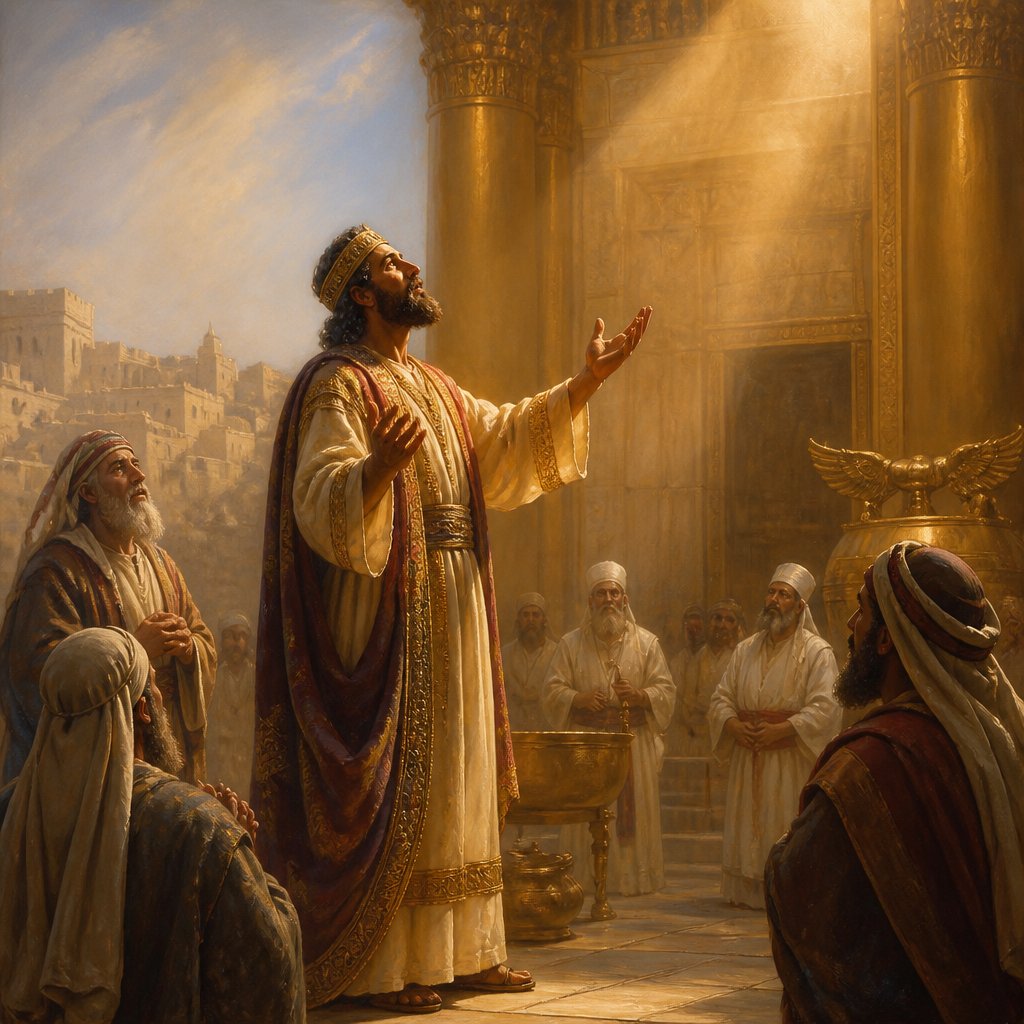
1 Kings 8:15 states, "And he said, Blessed be the LORD God of Israel, which spake with his mouth unto David my father, and hath with his hand fulfilled it, saying." This verse comes from Solomon's grand prayer of dedication for the temple he built in Jerusalem, a monumental moment where both the glory of God and the faithfulness of His promises are highlighted.
To understand the weight of this verse, we must consider the context. Solomon stands before the people of Israel in the newly constructed temple - a sacred space representing God’s dwelling among His people. This temple wasn’t just a building; it was a physical manifestation of God’s promises to Israel, particularly those made to David, Solomon’s father. Here, we witness the significant interplay between God’s spoken promises and His fulfilled actions. This theme recurs throughout Scripture, painted vividly in the lives of the patriarchs, prophets, and the countless generations that followed.
When Solomon declares, "Blessed be the LORD God of Israel," he is not merely uttering words of praise; he is engaging in a deep act of worship that recognizes and honors who God is – a faithful and promise-keeping God. It echoes the sentiments found throughout the Psalms, where the psalmists constantly remind us to bless the Lord for His attributes, especially His goodness and faithfulness. Solomon's invocation reminds us to pause and recognize where our blessings come from, acknowledging the divine source of our life's provisions, guidance, and hope.
The phrase "which spake with his mouth unto David my father" signifies the deep relationship between God and His people. God communicated directly with David, laying down promises that would transcend generations. The Lord spoke promises to David about his lineage and the establishment of his kingdom forever, an assurance that comforted him throughout his life. David's own heart was one of worship, evidenced throughout the Psalms he authored. In this moment, Solomon not only honors God but also pays tribute to the legacy of faith passed down from his father.
Then comes the pivotal phrase: "and hath with his hand fulfilled it." This contrasts divine promises with tangible reality. God's fulfillment is not a distant, abstract notion; it is evident through His actions and the reality of Solomon’s reign and the temple’s establishment. When Solomon looks upon the completed temple, he sees the evidence of God’s hand at work; every stone, every detail is a testament to God’s faithfulness. It serves as a reminder to us that faith is often birthed in the intersection of divine promise and human reality. We live in a world filled with uncertainties, yet God reminds us He will always act on His promises.
As believers, we are encouraged to reflect on the promises God has made in our lives, and how He has fulfilled them. Recognizing God’s faithfulness in the past strengthens our faith for the future. Whether it’s the promise of salvation through Christ, His provision in dark times, or guidance in moments of indecision, we have an assurance that God does not falter. In the same way that Solomon commemorates God’s past interactions, we are called to steadfastly remember and recount the faithfulness of God in our lives. Each answered prayer, each moment of guidance, is a small brick in the temple of our faith.
In times of struggle or uncertainty, let us echo Solomon's words, "Blessed be the LORD God!" Let our hearts remain anchored in the knowledge that the God who spoke is also the God who fulfills. When we witness the works of God in our lives, let us offer praise, both in word and in spirit, to the One who is deserving of all glory.
In conclusion, 1 Kings 8:15 invites us into a deeper understanding of our relationship with God. It implores us to recognize His mighty hand at work and to celebrate His faithfulness. May we all strive to be aware of the blessings around us and respond with hearts open to worship, honor, and trust in the blessed LORD God of Israel.
Get our apps


Artwork for 1 Kings 8:15

1 Kings 8:15 - "And he said, Blessed be the LORD God of Israel, which spake with his mouth unto David my father, and hath with his hand fulfilled it, saying,"
"And he said, Blessed be the LORD God of Israel, which spake with his mouth unto David my father, and hath with his hand fulfilled it, saying," - 1 Kings 8:15

1 Kings 15:8 - "And Abijam slept with his fathers; and they buried him in the city of David: and Asa his son reigned in his stead."

Proverbs 8:15 - "By me kings reign, and princes decree justice."

1 Kings 8:6-8

1 Kings 8:10

1 Kings 8:21

1 Kings 8:21

1 Kings 8:10

1 kings 8:7

1 Kings 8:10

1 Kings 8:10

1 Kings 8:7

1 Kings 8:21

1 Kings 8:10

1 kings 3:15

1 kings 3:15

1 Kings 8:10

1 kings 8:7

1 Kings 8:22

1 Kings 8:21

1 Kings 8:10
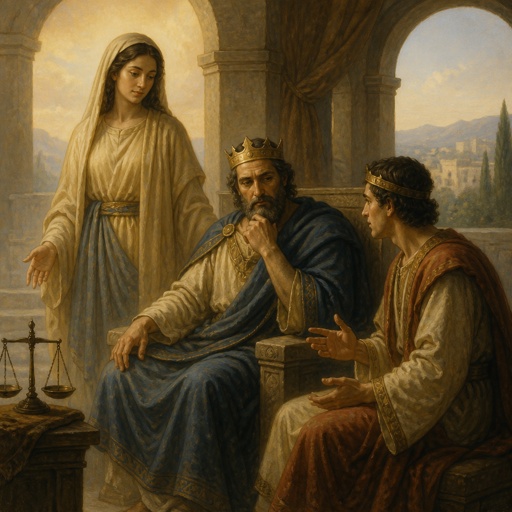
"By me kings reign, and princes decree justice." - Proverbs 8:15
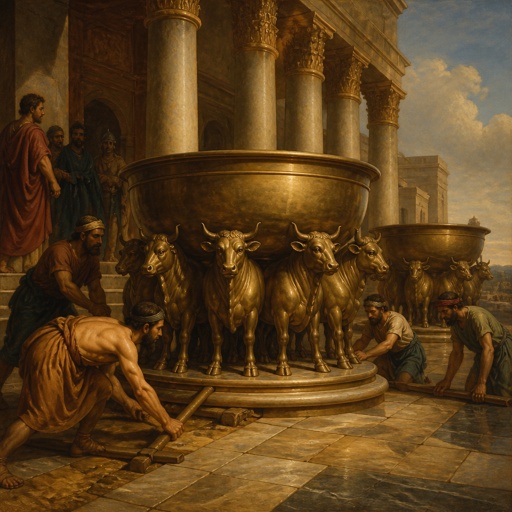
1 kings 7:8

1 Kings 15:31 - "¶ Now the rest of the acts of Nadab, and all that he did, are they not written in the book of the chronicles of the kings of Israel?"

1 Kings 10:15 - "Beside that he had of the merchantmen, and of the traffick of the spice merchants, and of all the kings of Arabia, and of the governors of the country."

2 Kings 15:8 - "¶ In the thirty and eighth year of Azariah king of Judah did Zachariah the son of Jeroboam reign over Israel in Samaria six months."

1 Kings 15:1 - "Now in the eighteenth year of king Jeroboam the son of Nebat reigned Abijam over Judah."

Exodus 8:1-15

John 15:1-8